Science & TechSpace
ISRO sets 30 October for NVS-03 launch to shore up NavIC
The 2,232 kg navigation satellite, carrying an Indian-made atomic clock, will fly on a GSLV from Sriharikota after slipping from a mid-October target.
Key points
- ISRO will launch NVS-03 on a GSLV Mk II from Sriharikota on 30 October.
- The satellite carries a rubidium atomic clock built in Ahmedabad, replacing imported clocks that failed.
- NavIC needs at least four working satellites for standalone positioning.
The Indian Space Research Organisation will launch its NVS-03 navigation satellite on 30 October, a flight that matters for the country’s own satellite navigation system, NavIC, which has been limping since its ageing spacecraft began to fail.
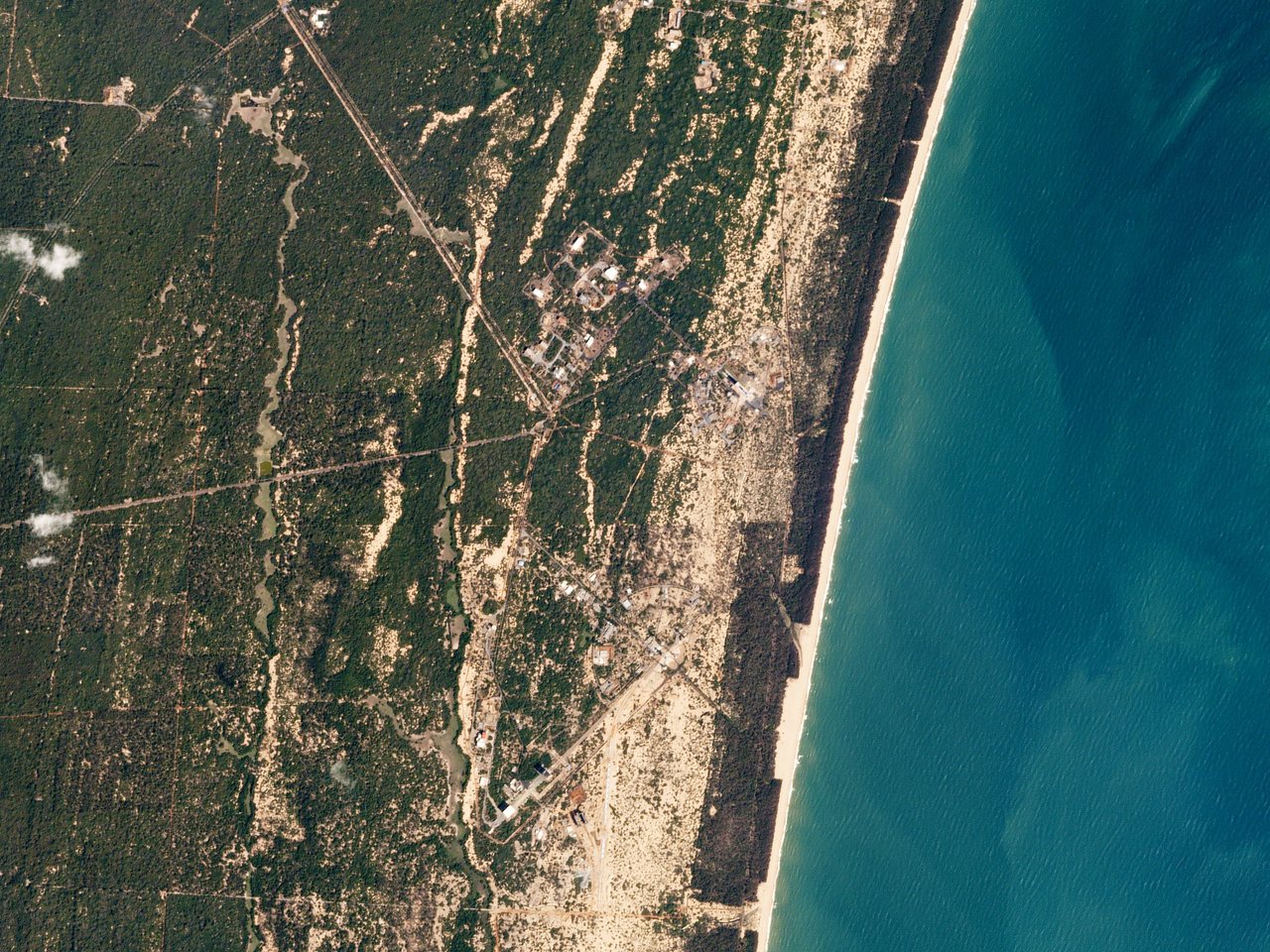
The 2,232 kg satellite will lift off on a GSLV Mk II rocket from the Satish Dhawan Space Centre at Sriharikota. ISRO has not yet announced a launch time. The mission was first targeted for 15 to 20 October, and before that for late 2025. ISRO has taken a cautious approach to its schedule after setbacks to the PSLV this year.
NVS-03 is the third of the second-generation NVS satellites and the twelfth spacecraft in the IRNSS, or NavIC, system. It is designed to work for 12 years from a geosynchronous slot at 32.5 degrees East, broadcasting on the L1, L5 and S bands, including a civilian L1 signal meant for low-power devices such as smartwatches and fitness trackers.
An Indian clock at its heart
The most important part of the satellite may be its timekeeper. NVS-03 carries a rubidium atomic clock developed by the Space Applications Centre in Ahmedabad. Navigation satellites work by broadcasting very precise time, and imported rubidium clocks failed across the earlier generation of NavIC satellites, eroding the service.
The system also lost a replacement last year. NVS-02, launched in January 2025, never reached its intended orbit because a propulsion problem stopped the orbit-raising manoeuvre.
NavIC covers India and about 1,500 km beyond its borders. It needs at least four working satellites to provide positioning on its own, without leaning on GPS or other foreign systems, and only three are currently available. A successful launch would bring the constellation back to that minimum. NVS-04 and NVS-05 are in advanced stages of being built.