StatesLadakh
China calls India's names for 28 Ladakh places 'illegal', MEA says denial changes nothing
Beijing objected on Tuesday to the peaks, passes and lakes India put on the Survey of India map this month, some of them in Aksai Chin. New Delhi called Ladakh integral and inalienable.
Key points
- China's foreign ministry said India's naming of 28 Ladakh features was "illegal, null and void".
- MEA spokesperson Randhir Jaiswal said no amount of denial by China can change the fact that Ladakh belongs to India.
- The names, announced on 2 October, include Zorawar Peak, Kanishka Peak and Guru Rinpoche Lake.
China said on Tuesday that India’s decision to put official names on 28 places and features in Ladakh was “illegal, null and void”. Within hours, New Delhi replied that the region is an integral part of India and that Beijing’s objection would not change that.
“No amount of denial by the Chinese side can change this established fact,” said Randhir Jaiswal, spokesperson of the Ministry of External Affairs. He described Ladakh as “integral and inalienable” and said the government’s statement on the names was “self-explanatory”.
What Beijing said
At her regular briefing in Beijing, Chinese foreign ministry spokesperson Mao Ning said: “China has never recognised the so-called Union Territory of Ladakh.” She added that India’s moves could not alter what she called the fact that the western section of the boundary has always belonged to China.
Her remarks appeared aimed at Aksai Chin, the high plateau China has held since the 1950s and which India claims as part of Ladakh. Several of the newly named lakes and peaks lie across the Line of Actual Control (LAC) in that area.
The names on the map
The government announced the 28 “standard place and feature names” on 2 October, in consultation with the Ladakh administration, and placed them on a high-resolution Survey of India map of the Union Territory. “Identifying them formally on the Survey of India map of UT of Ladakh is aimed at facilitating their accurate recognition” and public awareness, the statement said.
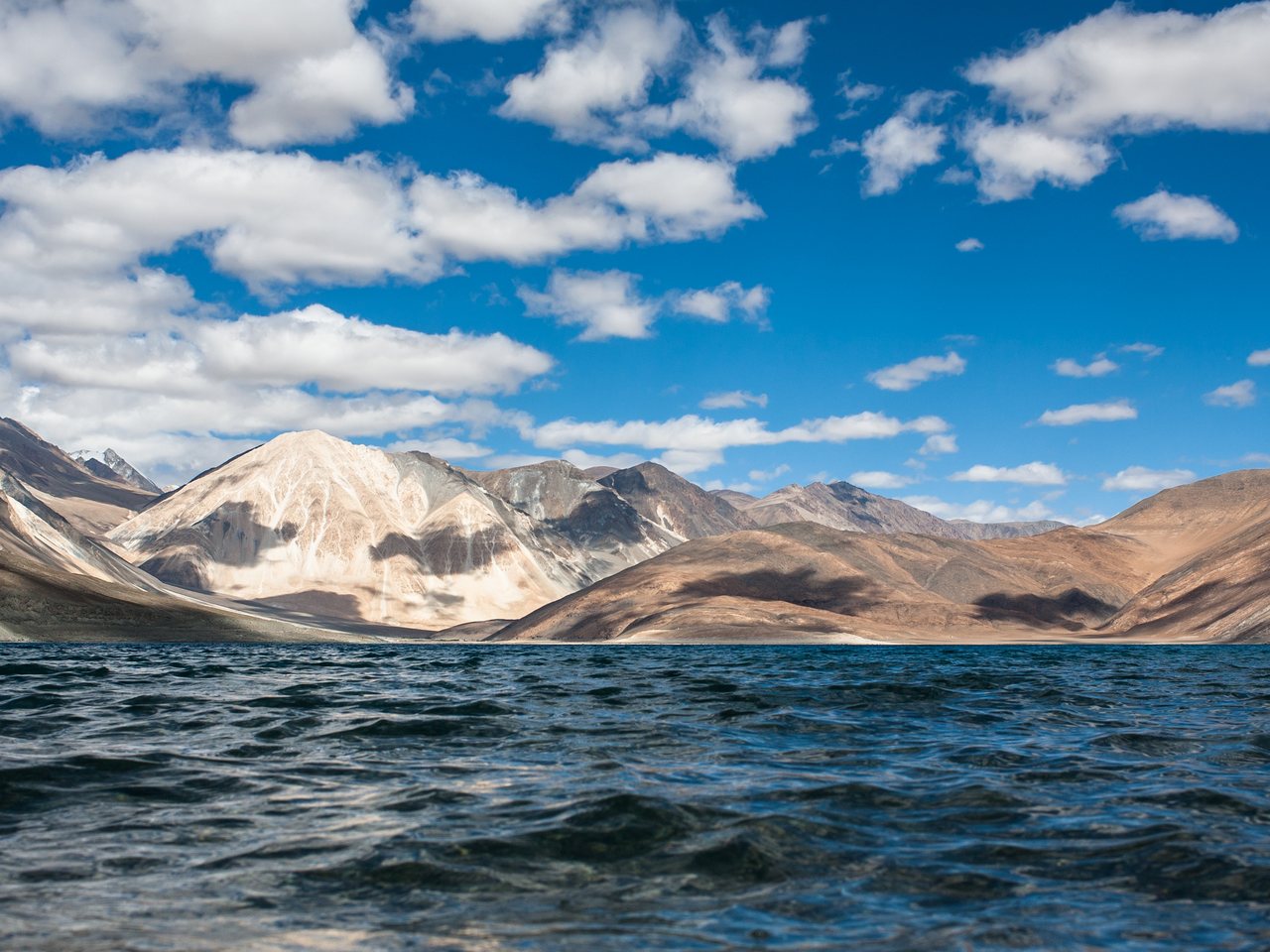
The peaks on the list include Zorawar Peak, Kanishka Peak, Atisha Giri, Rinchen Zangpo, Milarepa Kangri, Marpa Lotsava Ri, Shiva Ri and Maheshvara Ri. Also on the list are the Chapchingal and Shachmirk passes, the Parpik and Skamri glaciers, the Shkorga Valley, the Yangpa River and Guru Rinpoche Lake. The features include known friction points along the LAC.
An old quarrel in a new form
The exchange mirrors an older argument in reverse. China has in recent years issued its own names for places in Arunachal Pradesh and elsewhere along the border, and India has rejected them.
Ladakh became a separate Union Territory in August 2019, when Parliament changed the status of Jammu and Kashmir under Article 370. The LAC in eastern Ladakh runs for about 832 km and is not marked on the ground, and both sides claim overlapping areas. Troops from the two countries clashed in the Galwan valley in June 2020, during a long military standoff. The two armies pulled back from the face-off points about two years ago.