WorldEurope
Meloni condemns 'thugs' as cost-of-living protests turn violent in Milan, Bologna and Brussels
Clashes spread beyond France on Saturday, with fires in front of Milan Cathedral, an attack on Bologna's railway station and water cannon in Brussels, while thousands marched peacefully in Lisbon.
Key points
- About 12 people were taken to hospital and around 50 detained after clashes in Milan's Piazza Duomo.
- Giorgia Meloni said: "Demonstrating is a right. Setting our cities ablaze is not."
- Belgium's interior minister called the Brussels and Liège clashes "pure and simple violence".
The anger over living costs that brought more than half a million people onto France’s streets spilled across Europe on Saturday, with violent clashes in Italy and Belgium and leaders in Rome, Paris and Brussels lining up to condemn the rioters.
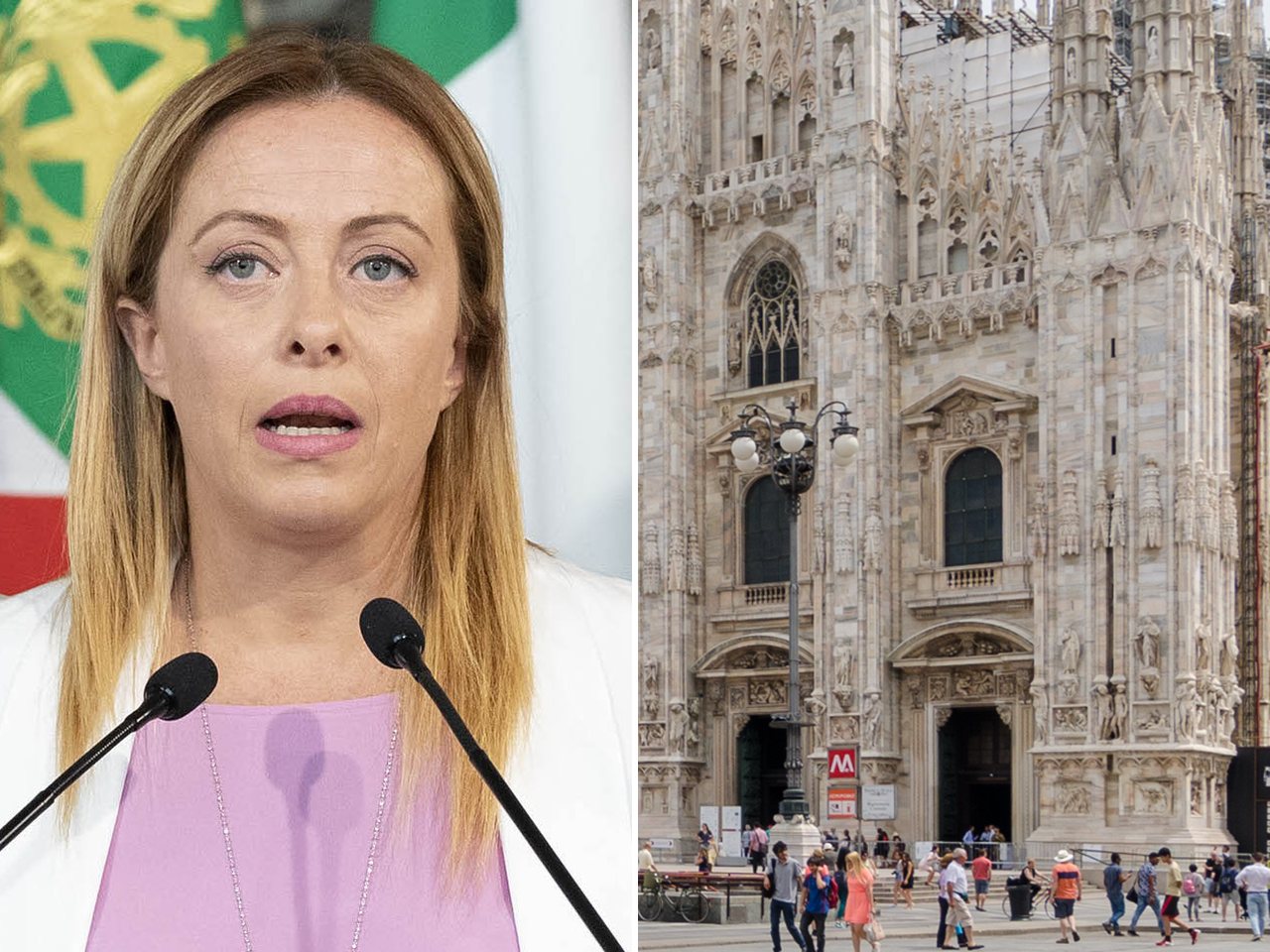
In Milan, more than 5,000 people joined rallies called by the “Italy in the Square” committee against inflation, low wages, underfunded hospitals and run-down schools. The march ended in clashes in Piazza Duomo, where agitators smashed shop windows, set a construction site alight in front of the cathedral and fired flares at police. About 12 people were taken to hospital and around 50 were detained.
In Bologna, a hooded group broke away from the main march and attacked the central railway station with stones, bottles and smoke bombs. Police used water cannon and tear gas, at least seven people were detained, and the station was closed as a precaution. In Turin, police stopped people carrying cobblestones and hammers of the kind used to break windows.
“Any hesitation becomes justification”
Prime Minister Giorgia Meloni praised the peaceful marchers, including those who turned out for a mobilisation called by the CGIL trade union, but called the violent fringe “thugs”.
“Demonstrating is a right. Setting our cities ablaze is not,” she said, urging the opposition to condemn the violence without qualification. “Any hesitation becomes justification.”
Water cannon in Brussels
In Belgium, youth and student protests in Brussels and Liège turned ugly as demonstrators threw objects, including bottles and a chair, at police, who replied with water cannon, tear gas and mounted units.
Interior Minister Bernard Quintin called it “pure and simple violence, organised and repeated to destabilise our society”. He said federal police were backing local forces and that “all necessary means” would be used to restore order.
Lisbon offered a calmer picture. Thousands marched through the centre of the Portuguese capital at the call of the CGTP union, demanding higher wages and pensions and protesting against rising rents, fuel costs and a housing shortage. Some pitched tents in Rossio square.
Same grievances, different countries
The protests share a common thread: fuel, rent and everyday costs rising faster than wages and pensions, and public services that protesters say are fraying. France saw the worst of it, with about 550,000 people on the streets according to Interior Minister Laurent Nuñez, and President Emmanuel Macron said there was “no room for violence in our Republic”. In Albania, student-led protests against Prime Minister Edi Rama entered a fifth day.
France’s Prime Minister Sébastien Lecornu has said the unrest will not be allowed to become a political “warm-up” six months before the presidential election, a sign of how closely governments are watching the streets.