WorldAfrica
At least 139 dead as overcrowded migrant boat capsizes off Djibouti
The boat was carrying 305 people towards Yemen when it went down near Obock. All 82 survivors are Ethiopian, and 84 people are still missing.
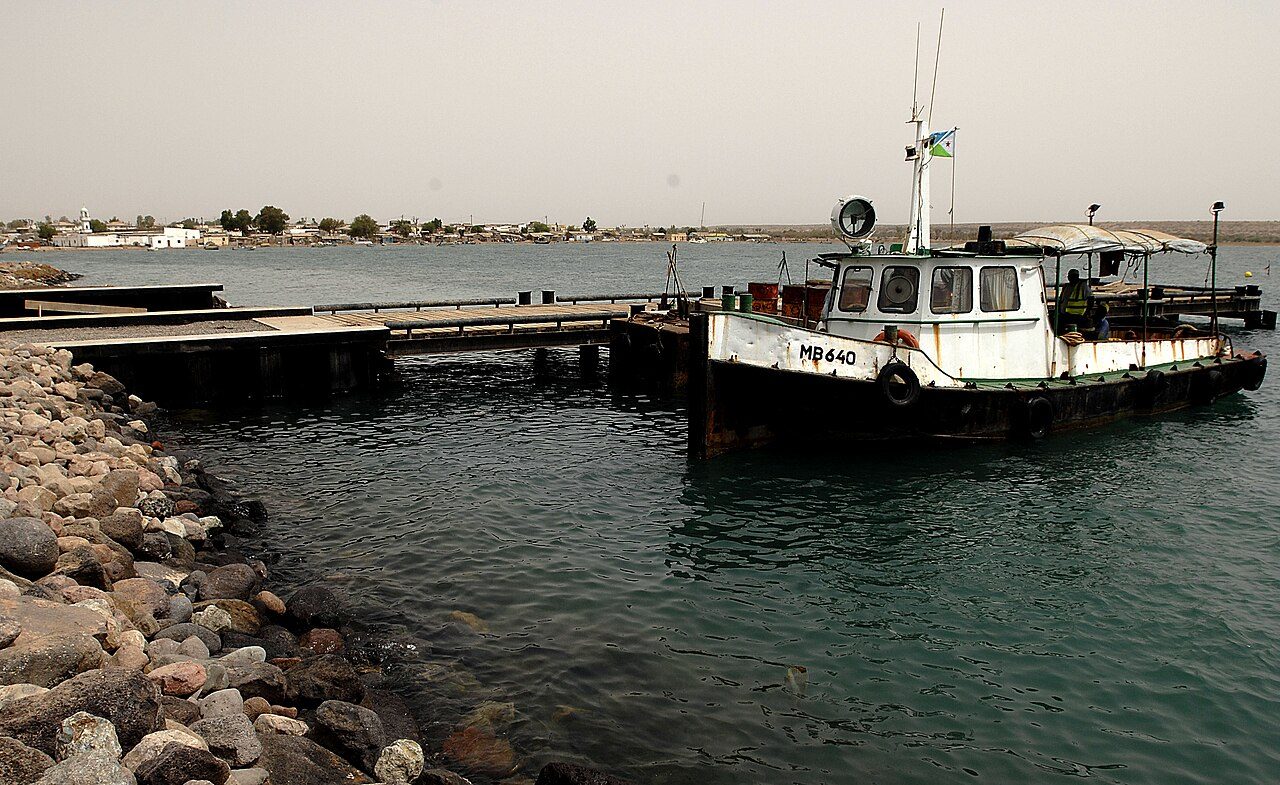
Key points
- A boat carrying 305 migrants sank off Djibouti on the night of 8-9 October; at least 139 people died.
- At least 15 children are among the dead, 84 people are missing and all 82 survivors are Ethiopian.
- The UN migration agency called it one of the deadliest shipwrecks on the route from the Horn of Africa to the Gulf.
At least 139 people, among them at least 15 children, died when an overcrowded boat carrying migrants from Djibouti towards Yemen capsized off the Djiboutian coast, the UN migration agency said on Sunday. Another 84 people are missing.
The boat had 305 people on board. It went down near Guhere, north of the port town of Obock, during the night of 8-9 October, according to survivors’ accounts. The International Organization for Migration (IOM) called it one of the deadliest shipwrecks recorded on the so-called Eastern Route, which runs from the Horn of Africa across the Gulf of Aden to the Arabian Peninsula.
The Obock shipwreck
- 305 people on boardSailing from Djibouti towards Yemen.
- 139 confirmed deadAt least 15 of them children.
- 84 still missingSearch operations are continuing in the Gulf of Aden.
- 82 survivorsAll Ethiopian nationals.
“Mainly because it was overcrowded”
Alexandre Coissac, the IOM’s chief of mission in Djibouti, said the migrants boarded on the evening of 8 October and that the boat sank soon afterwards, close to shore, “mainly because it was overcrowded”.
Bodies kept reaching the shore. The first count stood at 109, and rose to 139 as 30 more were recovered. The IOM warned the toll could rise: the official figure includes only those buried by Djiboutian authorities, while others were buried by fellow migrants and will be added once the authorities confirm them. Coissac said the dead were buried without names in a common grave, and that local authorities were overwhelmed.
They all have a mother, a father, and we may never learn what happened.
All 82 survivors are Ethiopian. The IOM is treating them at its Migrant Response Centre in Obock, where they are receiving medical care, food, shelter and psychological support. Some learned there that relatives had died; others phoned home to say they were alive.
A route that keeps drawing people
Tens of thousands of people from the Horn of Africa make the crossing through Djibouti and the Bab el-Mandeb strait each year, heading for Gulf countries in search of work and safety. The IOM says more than 900 migrants died or went missing on the route last year, while the number attempting the journey rose by 18%. In March this year, another boat sank off Djibouti, leaving nine dead and 45 missing.
The flow has not slowed despite renewed full-scale fighting in Yemen between the Saudi-backed government and the Iran-backed Houthis. Since 10 September the IOM has recorded more than 20,000 movements into Djibouti from Ethiopia. Over the same period, more than 3,700 refugees arrived in Djibouti from Yemen, travelling the other way. On 6 October Coissac described the country as facing “overlapping emergencies”.
“No one gets into a boat like that unless they believe there is no other safe way,” said IOM Director General Amy Pope. She said such deaths cannot be treated as normal, and urged governments and donors to act on safe and legal pathways before the next tragedy.
Jose Barahona, the UN’s resident coordinator in Djibouti, said he was deeply saddened by the loss of life and welcomed the search and rescue efforts, which Djiboutian authorities are continuing along the coast.
The documents
- Death Toll in Djibouti Shipwreck Climbs to 139: UN MigrationInternational Organization for Migration, 11 October 2026
- Djibouti shipwreck: Death toll rises to 139 as 84 remain missingUN News, 11 October 2026