WorldWest Asia
Saudi Arabia vows a 'serious' response as Riyadh airport stays shut after Houthi strikes
The energy minister told an oil congress in Riyadh the kingdom had been tested, as the capital's main airport stayed closed and the Houthis said Saudi jets had bombed Sanaa.
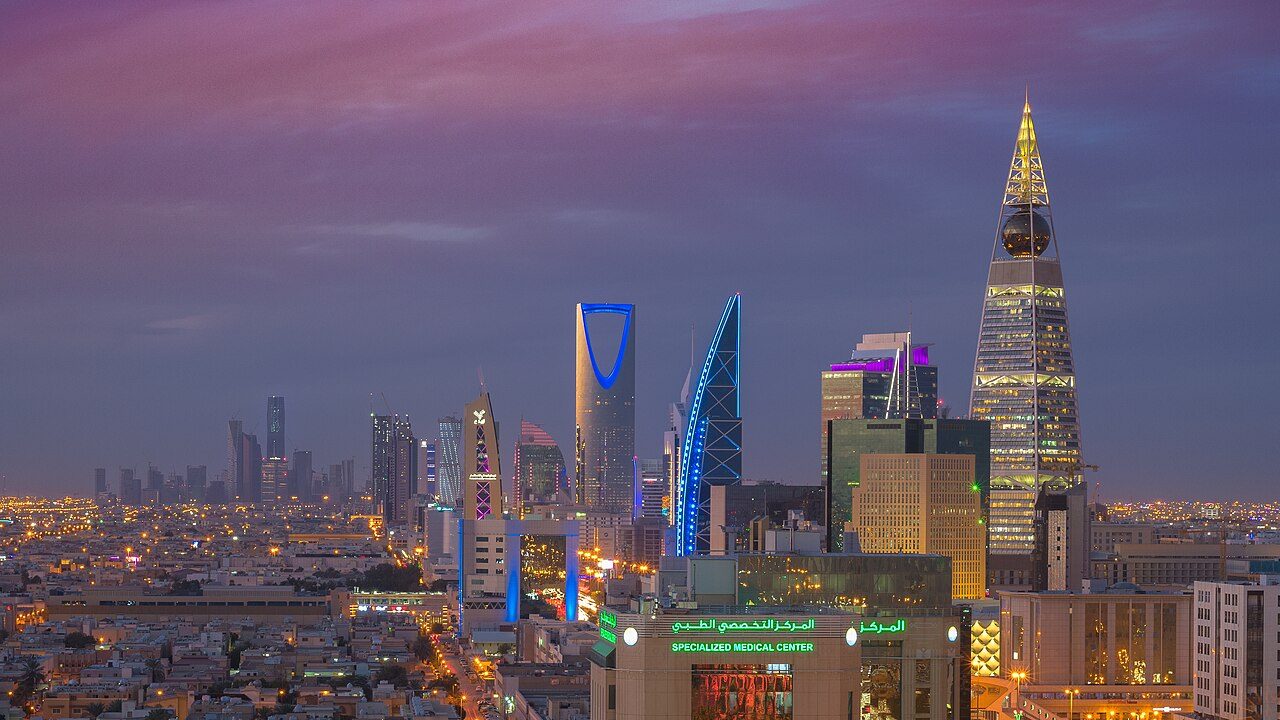
Key points
- Saudi authorities extended the closure of King Khalid International Airport on Monday.
- Saturday's missile attack on the airport killed 13 people and injured more than 300.
- Energy minister Prince Abdulaziz bin Salman said the response must be equally serious.
Saudi Arabia’s energy minister promised a firm answer to the Houthi attacks on the kingdom’s airports on Monday, as Riyadh’s main airport stayed closed for another day after the deadliest strike on Saudi soil in more than a decade.
“The events of recent weeks are serious. Our response must be equally serious,” Prince Abdulaziz bin Salman told delegates at the opening of the WPC Energy Congress in Riyadh. “For Saudi Arabia, these circumstances have tested our infrastructure, our institutions, our people, and our resilience.”
An airport in lockdown
The General Authority of Civil Aviation extended the suspension of operations at King Khalid International Airport, saying it needed to complete checks on the safety and operational readiness of its facilities. Almost every scheduled flight was cancelled on Sunday, and Riyadh schools have moved to online classes.
A missile struck a passenger terminal on Saturday, killing 13 people and injuring more than 300. The dead include an Indian national who later died of injuries. Closed-circuit footage released by Saudi authorities showed pilgrims waiting in departure lounges moments before a flash tore through the building. A second strike on Sunday evening hit Terminal 4, killing one person, a Pakistani resident, and wounding 11.
The Saudi-led coalition in Yemen called Saturday’s attack a “full-fledged war crime” and said it would “respond decisively”. The Houthis, who are backed by Iran, have called Saudi transport hubs “a theatre of operations for our forces” and say they will keep hitting them. They also said on Monday that Saudi air strikes had hit two districts of Sanaa around midnight, killing one person. Saudi Arabia did not confirm the strikes.
Oil, flights and a nervous capital
Abdulaziz said the kingdom would keep supplying oil to customers at home and abroad “regardless of circumstances”. “The word ‘fear’ in the Saudi dictionary does not exist,” he said. “Our gathering today does not mean that risks have disappeared.”
Brent crude rose above $105 a barrel on Monday, a two-week high. The East-West pipeline, which lets Saudi crude reach the Red Sea and bypass the Strait of Hormuz, was pumping about 5.8 million barrels a day in early October after Houthi attacks in September halted it.
Foreign airlines are staying away. Lufthansa has cancelled all Riyadh flights until 16 October and Air France-KLM has suspended them until the end of the month. The US Federal Aviation Administration has told American carriers to take care when flying to or over Saudi Arabia, and the US embassy has urged “extreme caution” at all major Saudi airports.
Will the US join in?
President Donald Trump, who condemned the attacks, said at the weekend he was considering joining Saudi strikes on the Houthis. Britain has agreed to provide defensive support, including air-to-air refuelling. Yemen’s internationally recognised government has approved a draft law to list the Houthis as a terrorist organisation.
The strikes hang over a busy month for the Saudi capital, which is also due to host its flagship Future Investment Initiative conference.