WorldBangladesh
Saudi Arabia executes two Bangladeshis over Mecca mosque case, Dhaka 'very disappointed'
Bangladesh says it was not told before the sentences were carried out and has asked Riyadh for an explanation and a copy of the verdict.
Key points
- Saudi Arabia executed two Bangladeshi nationals, a man and a woman, convicted of "indecent acts" in a Mecca mosque.
- State Minister for Foreign Affairs Humaiun Kobir called the executions "very disappointing".
- Dhaka has sought an explanation and wants the bodies repatriated.
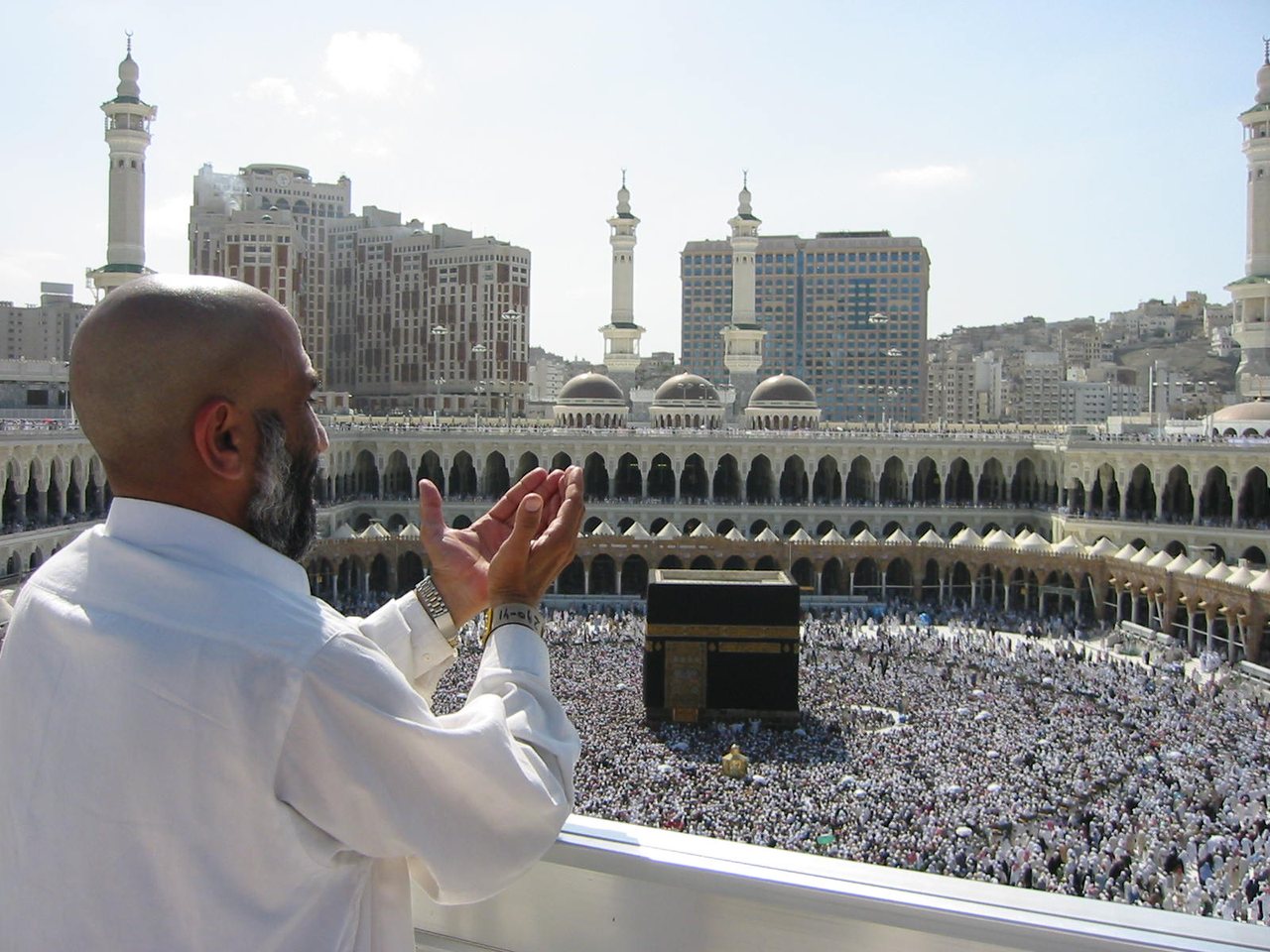
Saudi Arabia has executed two Bangladeshi nationals, a man and a woman, who were convicted of committing “indecent acts” inside a mosque in Mecca, drawing an unusually blunt complaint from Dhaka, which says it was not told before the sentences were carried out.
The Saudi Interior Ministry said the pair were put to death because of “the gravity and seriousness of their actions in violating the sanctity of both time and place”. It gave no further detail. They were named as Nazrul Islam Abdul Basir and Siti Akhtar.
Speaking to reporters at the Ministry of Foreign Affairs in Dhaka on Monday, State Minister for Foreign Affairs Humaiun Kobir called the executions “very disappointing” and said Bangladesh had asked Saudi Arabia for an explanation. “We are in discussions,” he said, adding that there appeared to have been a lapse somewhere in the process.
Kobir said Prime Minister Tarique Rahman’s government had good relations with Riyadh and hoped ties would reach new heights, a sign that Dhaka wants to keep the dispute contained.
A senior foreign ministry official, Secretary (East and West) Md Nazrul Islam, raised the case with Saudi Ambassador Abdullah Zafer bin Abiyah on Sunday, though officials stressed it was not a summons. Bangladesh has sent a formal letter asking for the two people’s identities, their backgrounds and when they arrived in Saudi Arabia for work, and is waiting for a copy of the verdict, State Minister Shama Obaed said. It will arrange for the bodies to be brought home once Riyadh replies.
The case has revived debate in Dhaka over what the state owes migrant workers who face trial abroad, and over why the government learnt of the death sentences only after they had been carried out.