WorldUS
Trump administration asks Supreme Court to let Big Bend border wall go ahead
A federal judge in Texas has halted work across a 500-mile stretch of the Mexican border, ruling that homeland security chiefs overstepped their powers.
Key points
- The Justice Department asked the Supreme Court to lift an injunction on building a barrier in the Big Bend Sector.
- Judge Kathleen Cardone ruled that Kristi Noem and Markwayne Mullin exceeded their authority in issuing waivers.
- The plan includes 30-foot bollard walls and more than 300 miles of walls and roads.
The Trump administration has asked the US Supreme Court to clear the way for a border wall through the remote Big Bend region of Texas, after a federal judge halted construction across one of the quietest stretches of the frontier with Mexico.
In a filing on Wednesday, Solicitor General D. John Sauer asked the justices to lift a preliminary injunction that bars the Department of Homeland Security from building barriers, related infrastructure or carrying out “any construction or ground disturbing activities” in the Big Bend Sector. “The district court’s injunction significantly frustrates the government’s ability to stop the flow of illegal aliens,” he wrote.
US District Judge Kathleen Cardone granted the injunction earlier this month, finding that former Homeland Security Secretary Kristi Noem and her successor, Markwayne Mullin, exceeded their authority when they issued waivers of legal requirements between February and July to speed up construction. She refused to pause her ruling just before the government turned to the Supreme Court.
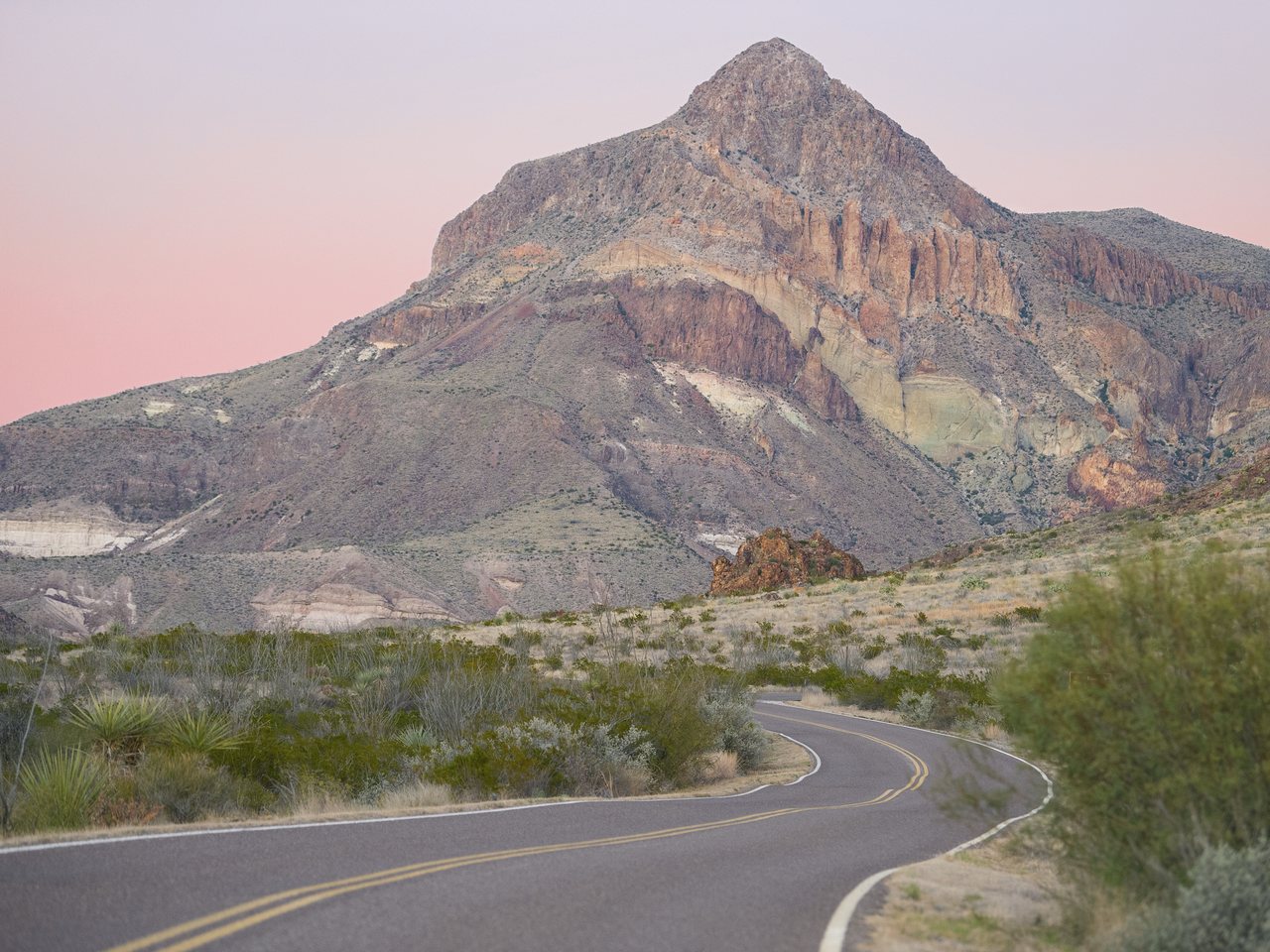
The sector covers more than 500 miles of border and 77 Texas counties. The plan includes 30-foot bollard walls from Fort Quitman to Closed Canyon in Big Bend Ranch State Park, more than 300 miles of walls and roads, and about 17 miles of vehicle barriers. Customs and Border Protection says the wall itself will not cut through Big Bend National Park, though other infrastructure would, and that work on a 47-mile stretch began last month.
The challenge was brought in April by an environmental group, a riverboat guide and a religious organisation. The government says more than 89,000 people were caught crossing illegally in the sector between 2021 and 2025. The plaintiffs counter that Big Bend ranks last of the seven southern border sectors for apprehensions, accounting for between 0.3 and 2.2 per cent of the yearly total while covering more than a quarter of the border.