WorldEurope
Ukraine passes minority schools law to win Hungary's backing for EU talks
The vote meets a key Hungarian condition. EU ministers are expected to open two more negotiating chapters for Ukraine and Moldova in Luxembourg on Tuesday.
Key points
- Ukraine's parliament passed the bill with 266 votes.
- It widens the use of Hungarian and other EU languages in schools, but not Russian.
- Two more EU accession clusters are expected to open on 13 October.
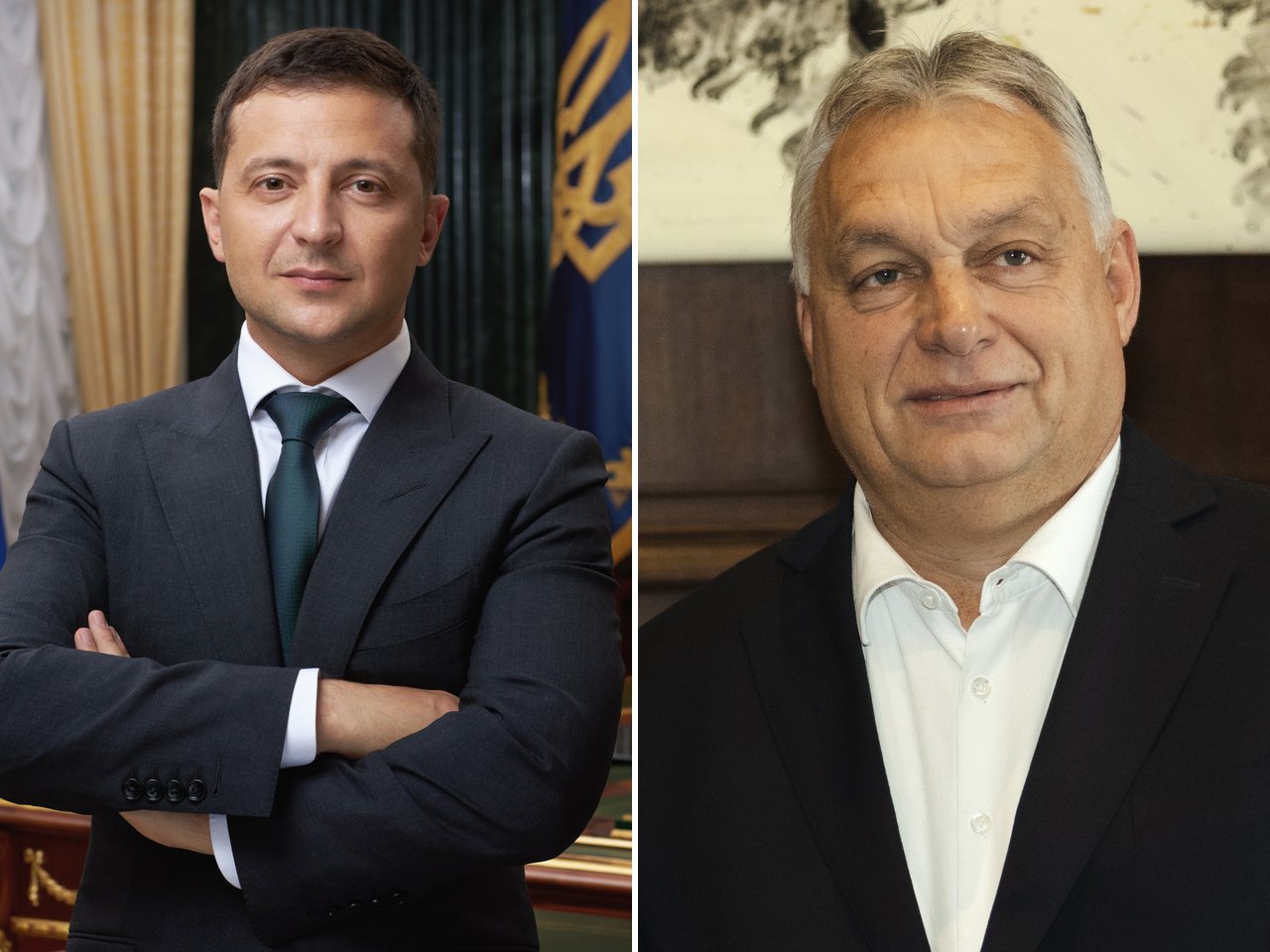
Ukraine’s parliament on Monday passed a law expanding education rights for national minorities, meeting a condition set by Hungary before it would let Ukraine’s talks on joining the European Union move forward.
The bill won 266 votes, according to lawmaker Yaroslav Zhelezniak. It needs President Volodymyr Zelenskyy’s signature to become law.
What the law changes
The law gives Hungarian speakers, and other minorities whose languages are official EU languages, more room to learn in their own language. Schools where more than half the pupils study in a minority language can receive a special status, and the head or deputy head of such a school must be proficient in that language.
Russian is not covered, in line with Kyiv’s effort to reduce the use of Russian in official and public life. About 80,000 ethnic Hungarians live in Zakarpattia, in western Ukraine.
Budapest’s welcome
For years Viktor Orbán, then Hungary’s prime minister, blocked Ukraine’s EU talks, saying Kyiv was not protecting its Hungarian minority. After Péter Magyar’s pro-European Tisza party won Hungary’s election in April, the two governments reached an agreement in early summer on minority rights.
Hungarian Foreign Minister Anita Orbán said the law “is the result of the bilateral agreement, which we negotiated with the Ukrainian side in May and June”. “I would like to take this opportunity to thank everyone on both sides, Hungarian and Ukrainian experts and politicians, who made this possible,” she said.
Next step in Luxembourg
Hungary lifted its veto earlier this year, allowing the first and sixth negotiating clusters, on democratic institutions and external relations, to open in June and July. It then held back the rest until Kyiv began putting the agreement into practice, starting with education.
EU envoys gave preliminary clearance on 7 October to two more clusters, covering the internal market and competitiveness. They are expected to be formally opened for both Ukraine and Moldova, whose bids the EU has linked, at a meeting in Luxembourg on Tuesday. Kyiv wants all six clusters open by the end of 2026.