WorldUN
Race for UN chief stalls as all seven candidates draw a veto, and Macky Sall pulls out
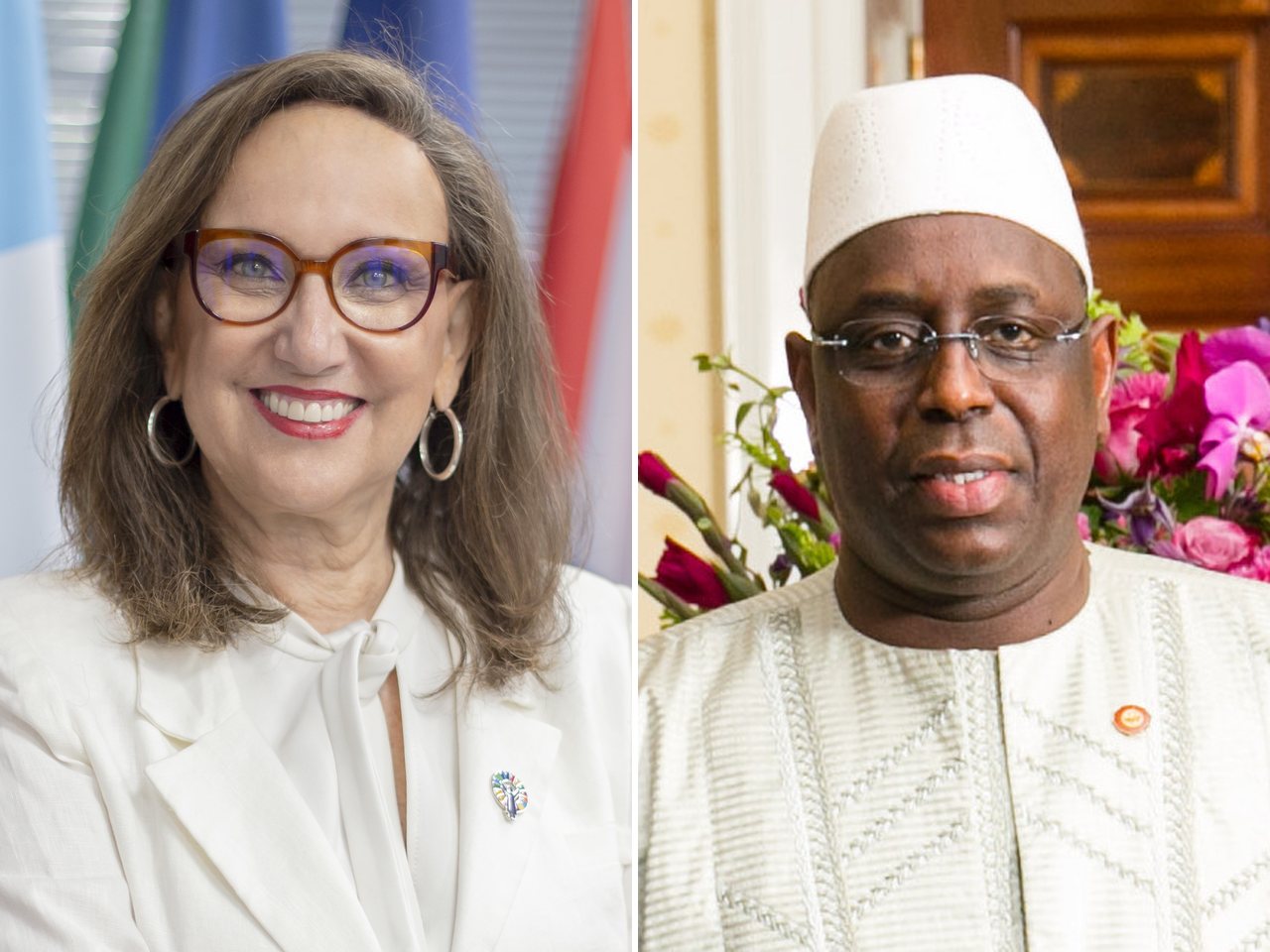
Costa Rica's Rebeca Grynspan topped the Security Council's sixth straw poll but still drew 'discourage' votes from two permanent members.
Key points
- Every candidate received a 'discourage' vote from a permanent member, in effect a veto, in the sixth informal poll.
- Senegal's former president Macky Sall withdrew from the race a day later.
- Antonio Guterres's second term ends on 31 December 2026.
The contest to choose the next United Nations Secretary-General has hit a wall. In the Security Council’s sixth informal straw poll on Friday, every one of the seven candidates drew a “discourage” vote from at least one of the five permanent members, which in effect counts as a veto.
A day later, Senegal’s former president Macky Sall withdrew. In a social media statement he said he hoped “to contribute now to the emergence of a consensus candidate”. His departure leaves Uganda’s Olara Otunnu as the only African in the race.
Costa Rica’s Rebeca Grynspan topped the poll with seven “encourage” votes, but she also received five “discourage” votes, two of them from permanent members. The other candidates are Carolyn Rodrigues-Birkett, a former foreign minister of Guyana; Rafael Grossi of Argentina, head of the UN nuclear watchdog; Ecuador’s Ivonne A-Baki and Maria Fernanda Espinosa; and Otunnu.
For the first time, Britain, China, France, Russia and the United States used coloured markers to show their votes, while the 10 elected members used plain ones.
US media have reported that Washington opposes all seven. Asked about that, US Ambassador Mike Waltz did not comment directly. “We have always said we just simply need the best,” he said, adding that countries were within their “sovereign rights” to nominate more candidates. Names being mentioned include Nickolay Mladenov, Lana Nusseibeh of the UAE and Turkey’s Feridun Hadi Sinirlioglu, the OSCE Secretary-General.
To win, a candidate needs at least nine of the Council’s 15 votes and no veto, before the General Assembly confirms the choice. By tradition the post rotates between regions, and this time it is expected to go to Latin America, home to most of the field. Antonio Guterres’s second term ends on 31 December, leaving the Council little time to break the deadlock.