PolicyEnvironment
Bombay High Court extends street firecracker ban to every festival, including Diwali
A ban first ordered for Ganeshotsav now covers public streets, lanes and footpaths across Maharashtra all year. Sale and manufacture are not affected.
Key points
- The ban on bursting crackers on public streets now applies to all festivals throughout the year.
- The court said it has not banned the manufacture or sale of firecrackers.
- Awareness campaigns in schools and public transport must start within a week.
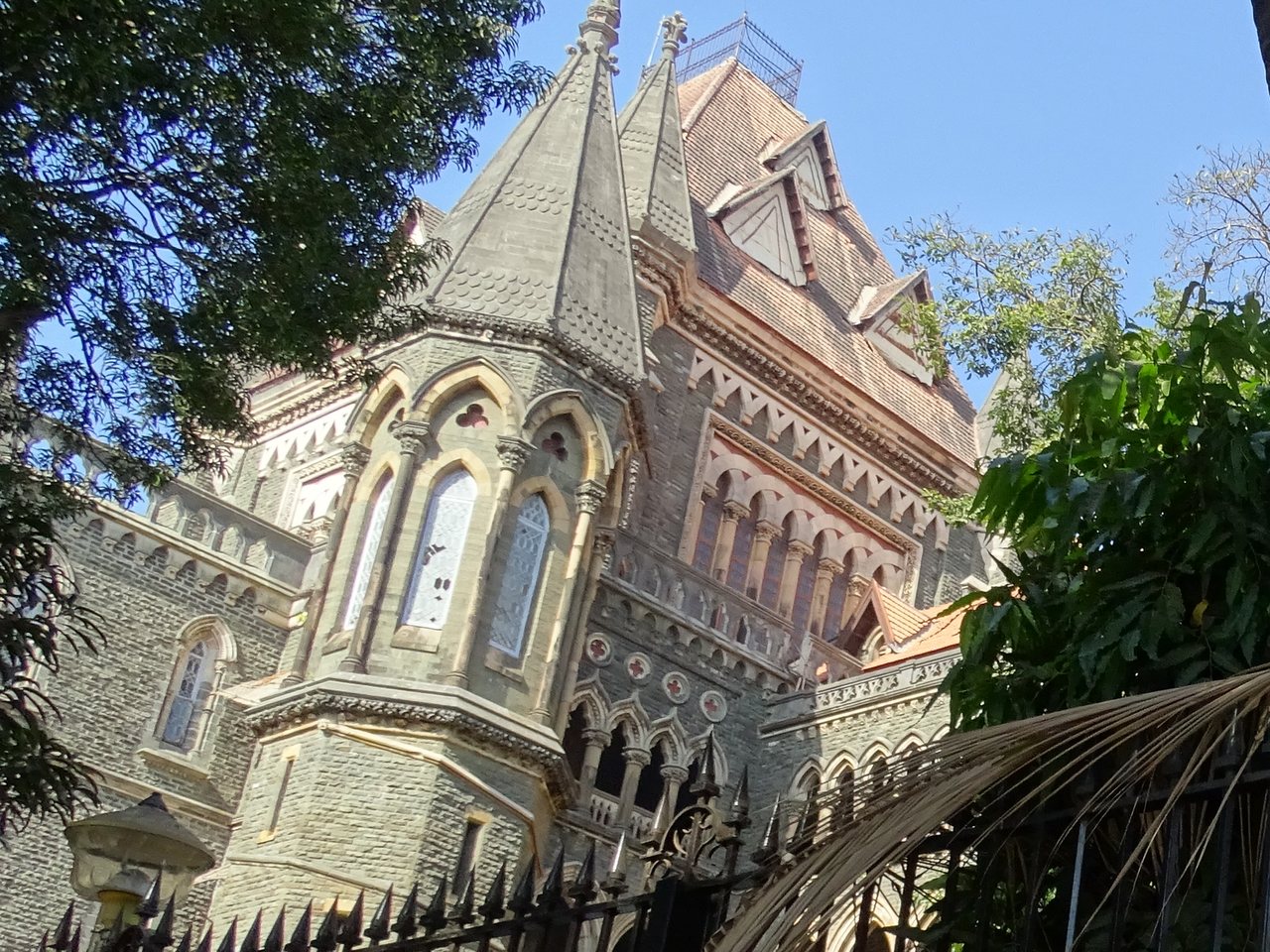
The Bombay High Court on Thursday widened its ban on bursting firecrackers on public streets, lanes and footpaths to cover every festival through the year, including the ongoing Navratri, Diwali and Christmas.
A division bench of Justices Girish S Kulkarni and Neela K Gokhale extended an order it had passed on 22 September during Ganeshotsav, in a public interest case the court took up on its own over loud sound systems and cracker bursting on roads during festival processions in Maharashtra. The judges said they were worried about worsening air quality and that the toxic smog after Diwali hits children and senior citizens hardest.
“You [authorities] have no control over burning firecrackers,” the bench told the state. “The problem is the non-following of law.”
The court made clear that it has not banned the manufacture or sale of firecrackers. The order is about where they are burst.
It directed the Maharashtra government, the Brihanmumbai Municipal Corporation and the Maharashtra Pollution Control Board to issue joint public notices on the harm caused by crackers and to run awareness campaigns in schools and on public transport within a week. The authorities were also told to enlist celebrities to spread the message, promote low-emission green crackers and set up a working complaint system with the police so that residents can report violations.
With Diwali less than a month away, the order puts the burden on police and civic bodies to keep celebrations off the roads in Mumbai and other cities in the state.