PolicyEnvironment
India tells UN its Green Tribunal and independent courts anchor climate protection
Responding to a UN report on justice systems and the climate crisis, an MEA official said India's approach rests on equity, climate justice and common but differentiated responsibilities.
Key points
- MEA Deputy Secretary Barkha Tamrakar named the National Green Tribunal as a pillar of India's environmental protection.
- She said India sees climate change as a challenge to development, livelihoods and human rights.
- India held the ninth annual India-UN Development Partnership Fund event on 22 October.
India has told the United Nations that its environmental courts and an independent judiciary are central to how it deals with climate change, in a debate on the role of justice systems in the climate crisis.
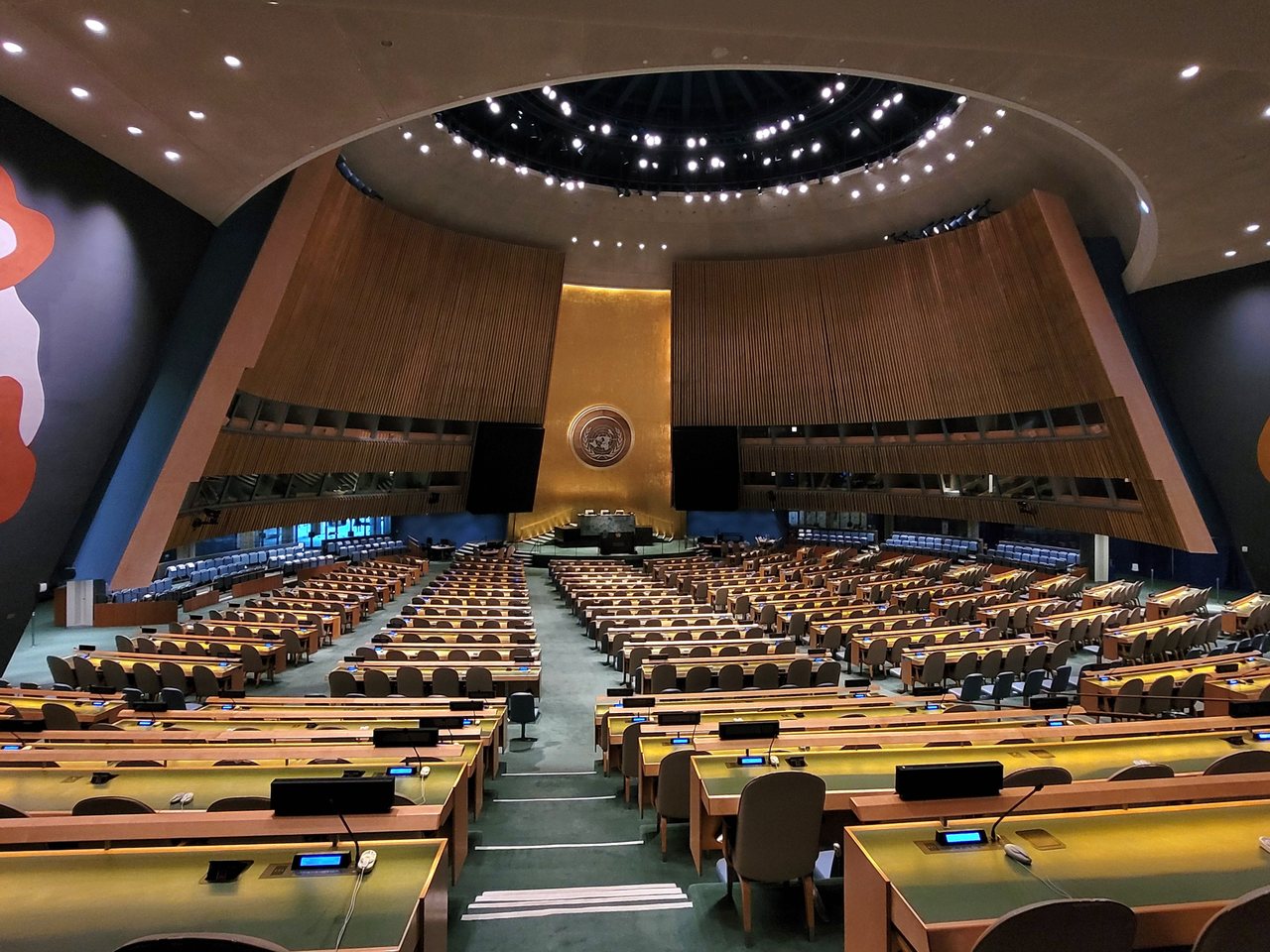
Barkha Tamrakar, a Deputy Secretary in the Ministry of External Affairs, was speaking in the General Assembly’s Third Committee on a report by the Special Rapporteur on the independence of judges and lawyers. The report is titled “An urgent and existential threat: the role of justice systems in addressing the climate crisis”.
“India recognises climate change as a serious global challenge that impacts development, livelihoods, and human rights,” Tamrakar said. India’s approach, she said, was “firmly grounded in equity, climate justice, sustainable development” and the principle of common but differentiated responsibilities and respective capabilities, which holds that richer countries should carry more of the burden.
She said “environmental protection in India is strongly supported by the Constitution”, by comprehensive laws, by an independent judiciary and by the National Green Tribunal, which she named as one of the pillars of the system.
On the report’s concerns about judges, Tamrakar pointed to “transparent, institutionally supervised judicial training”, including at the National Judicial Academy, “aimed at strengthening impartiality and preserving judicial independence”.
Separately, India held the ninth annual event of the India-UN Development Partnership Fund at the General Assembly on 22 October, where partner countries praised its support for sustainable development. The $150 million fund was set up in 2017.