PolicyEnvironment
High Court bans motorised shikaras and jet skis on Dal Lake
The interim order takes all fuel-powered boats off Srinagar's best-known lake until further orders, and asks the administration to look at solar and electric engines.
Key points
- All fuel-powered motorboats, including motorised shikaras and jet skis, are banned on Dal Lake.
- Any boat found plying will be treated as contempt of court.
- The administration must draft a motorboat policy; the case returns on 30 October.
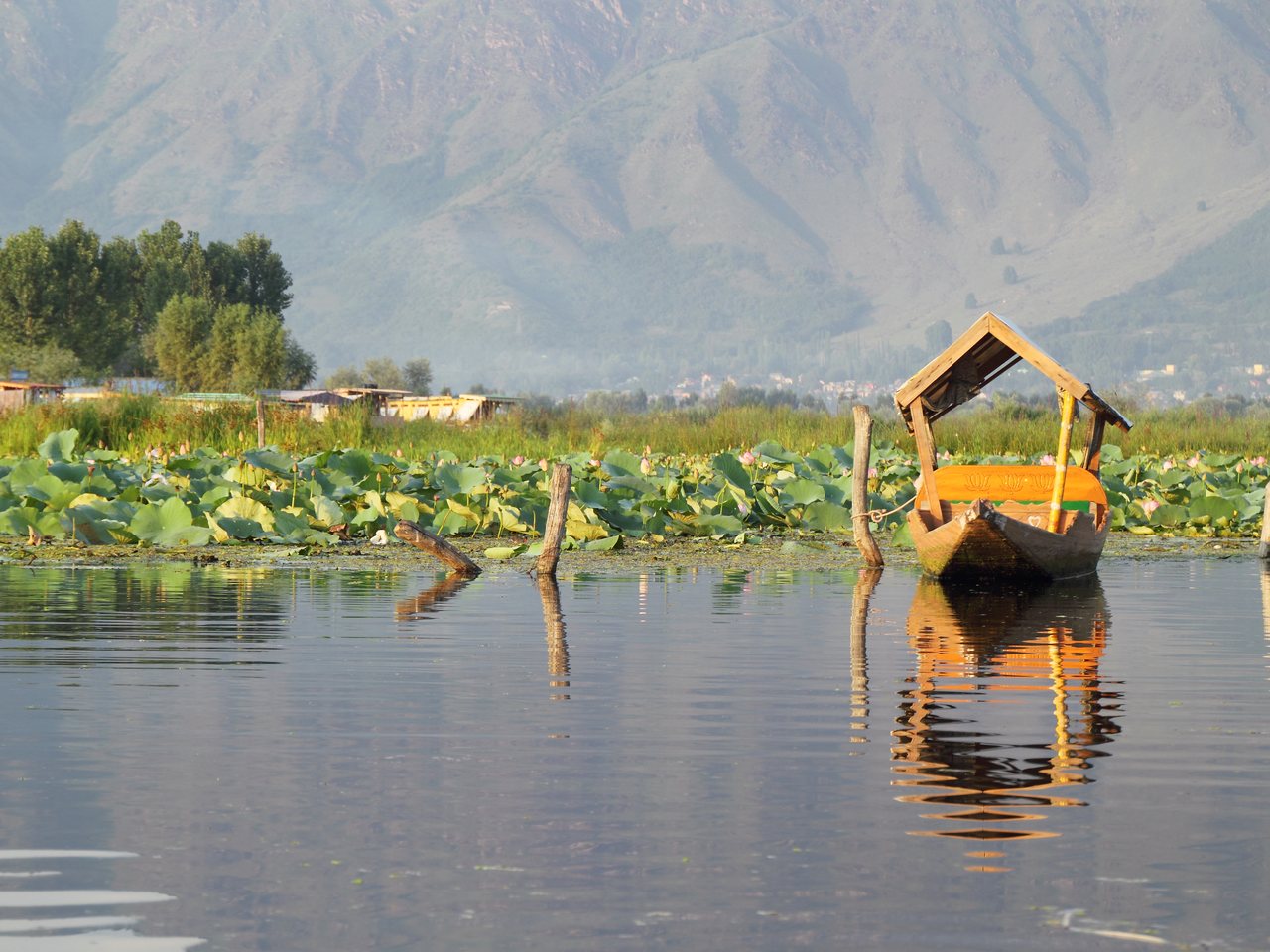
The High Court of Jammu and Kashmir and Ladakh has banned all fuel-powered motorboats on Dal Lake, including motorised shikaras and jet skis, saying they are damaging the lake’s ecosystem and adding to its pollution.
The interim order, passed on 14 October by a division bench of Chief Justice Pushpendra Singh Bhati and Justice Rajesh Sekhri, stays in force until further orders. The Lake Conservation and Management Authority, the Tourism Department and the police have been told to enforce it immediately. Any motorboat found on the water will be treated as contempt of the court’s order, and the officers concerned are expected to act strictly.
Government vessels used for emergencies, disaster management, safety and law and order are exempt.
The case began as a dispute over licences. The petitioners, Mohammad Rafiq Mir and others, challenged the licensing and renewal rules for motorboats, saying the shift of licensing from tourism authorities to the Road Transport Office had left operators unsure where they stood. They asked for uniform, transparent criteria that also protect the environment.
The bench went further. It directed the administration to draft a full policy on motorised boats in consultation with experts, balancing tourism with pollution control. Senior Additional Advocate General Mohsin S Qadri, appearing for the administration, was asked to examine whether solar-powered or electric engines could replace fuel engines and to report back. Such boats “could be a solution” for keeping both tourism and the lake alive, the court said.
The case will be heard next on 30 October.