PolicyDefence
With Pakistan's Ishaq Dar in the room, Rajnath tells SCO 'no double standards' on terror
At the SCO heads of government meeting in Dushanbe, the Defence Minister said connectivity projects must respect sovereignty and announced that India will host the bloc's first civilisational dialogue forum this year.
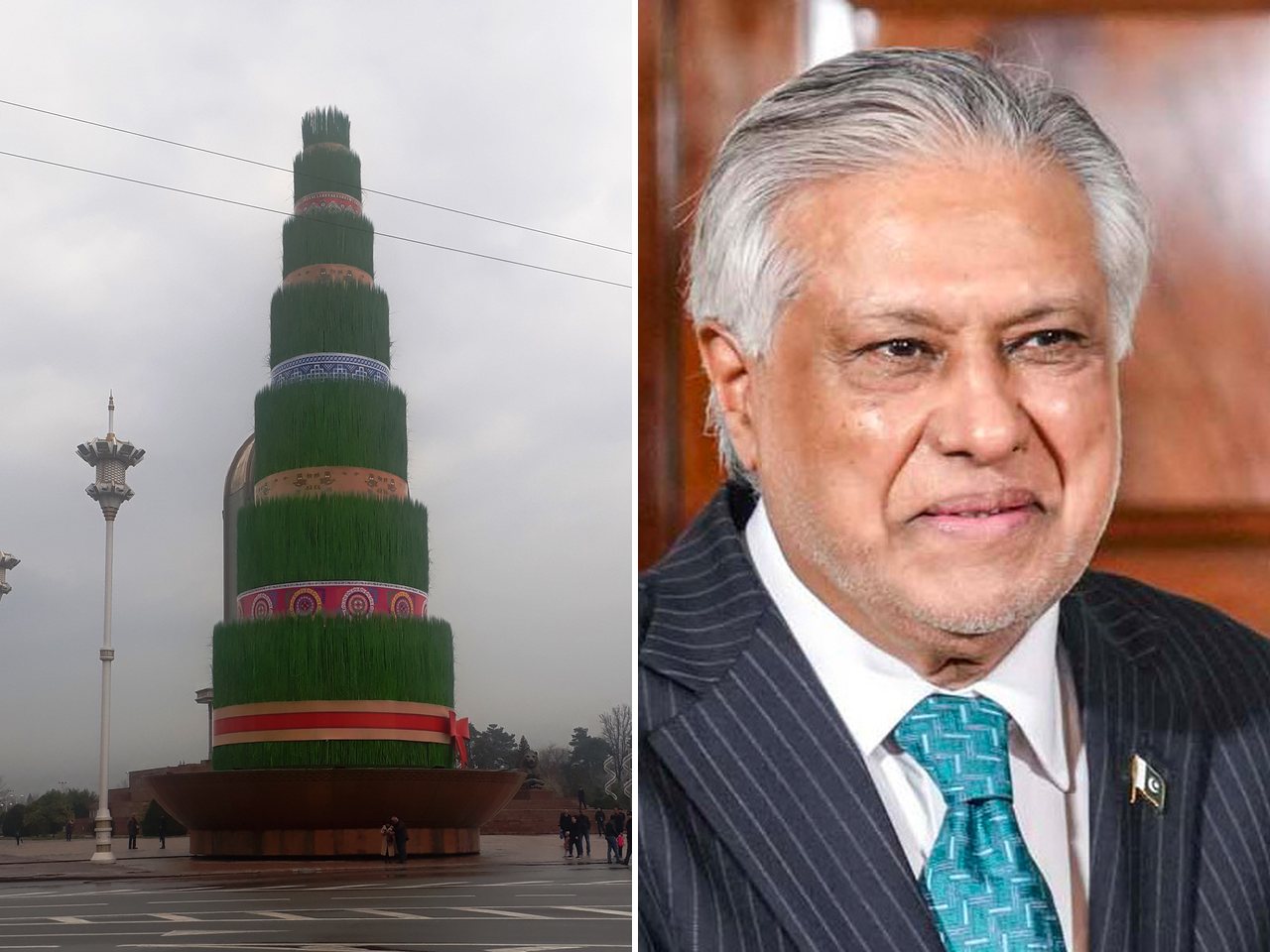
Key points
- Rajnath Singh told the SCO there can be no justification for terrorism and no double standards in tackling it.
- He said connectivity projects must respect sovereignty and territorial integrity, citing Chabahar and the INSTC.
- India will host the first SCO Civilisational Dialogue Forum by the end of the year.
Defence Minister Rajnath Singh told the Shanghai Cooperation Organisation on Tuesday that there could be “no justification for terrorism, no double standards in addressing it”, delivering the message at a meeting in Dushanbe attended by Pakistan’s Deputy Prime Minister, Ishaq Dar.
Singh was representing India at the 25th meeting of the SCO Council of Heads of Government in the Tajik capital. He called terrorism one of the gravest threats to peace and development, and urged member states to dismantle what he called its entire ecosystem. There must be “no place for those who finance, support or provide safe havens to terrorists”, he said.
He tied the point to the economic agenda that dominates the heads of government track. Terrorism, he said, takes innocent lives, disrupts investment and trade, radicalises societies and robs young people of opportunity. “Our success should be measured by the opportunities we create for youth,” he told the meeting. No remarks by Dar were reported.
Connectivity, with conditions
Singh backed projects that link markets across the region, naming the International North-South Transport Corridor and Iran’s Chabahar Port as routes that connect Central Asia to wider markets. But he added a condition: such projects need consultation and respect for sovereignty and territorial integrity. “Projects not founded on these principles will not be sustainable,” he said.
He argued that roads and ports alone were not enough, calling for simpler customs procedures, digital documentation and better logistics to cut the cost of doing business, and pointed to India’s digital public infrastructure and start-up ecosystem as examples. He also cited the International Solar Alliance, the Coalition for Disaster Resilient Infrastructure, Mission LiFE and the Global Biofuel Alliance.
The grouping, he said, must stay efficient and work on sovereign equality, consensus and mutual respect, turning consensus into action at a time of geopolitical tension, supply chain disruption and worries over energy and food security.
A forum in India
Singh announced that India would host the bloc’s first civilisational dialogue forum, an idea Prime Minister Narendra Modi put forward at the SCO summit in Tianjin in 2025. “India, at the end of this year, will host the first SCO Civilisational Dialogue Forum,” he said. “We invite all SCO member countries to participate in it.”
Recalling the Bishkek summit, he said: “That occasion was not only for reviewing our shared journey but also for deliberations on the future direction.”
What the meeting adopted
Heads of delegation adopted a joint communique, the SCO budget for 2027, financial and administrative decisions, and an action plan for the bloc’s multilateral trade and economic cooperation programme for 2026 to 2030. Singh also welcomed the decision taken at Bishkek to make the Universal Centre in Tashkent and the Anti-Drug Centre in Dushanbe permanent SCO bodies.
On the sidelines, Singh met Tajikistan’s Prime Minister, Qohir Rosulzoda, and Iran’s First Vice President, Mohammad Reza Aref. He said the meeting with Rosulzoda “underlined the longstanding civilisational ties and deep people-to-people links” between the two countries.
India has been a full member of the SCO since 2017.
The documents
- Defence Minister Rajnath Singh Meets Tajikistan PM Qohir Rosulzoda on Sidelines of SCO MeetingNews On AIR, 20 October 2026