PoliticsCourts
Delhi High Court to rule on Neha Bora's challenge to police peace bond notice
Justice Subramonium Prasad heard the AISA president's plea against a magistrate's demand for a ₹10,000 bond on Thursday and said he needed time to write his judgment.
Key points
- Neha Bora has challenged a Special Executive Magistrate's notice asking for a ₹10,000 personal bond to keep the peace.
- Her counsel called the notice cut and paste, issued with no inquiry into her conduct.
- The state told the court Bora faces six FIRs and that the magistrate's satisfaction is wide.
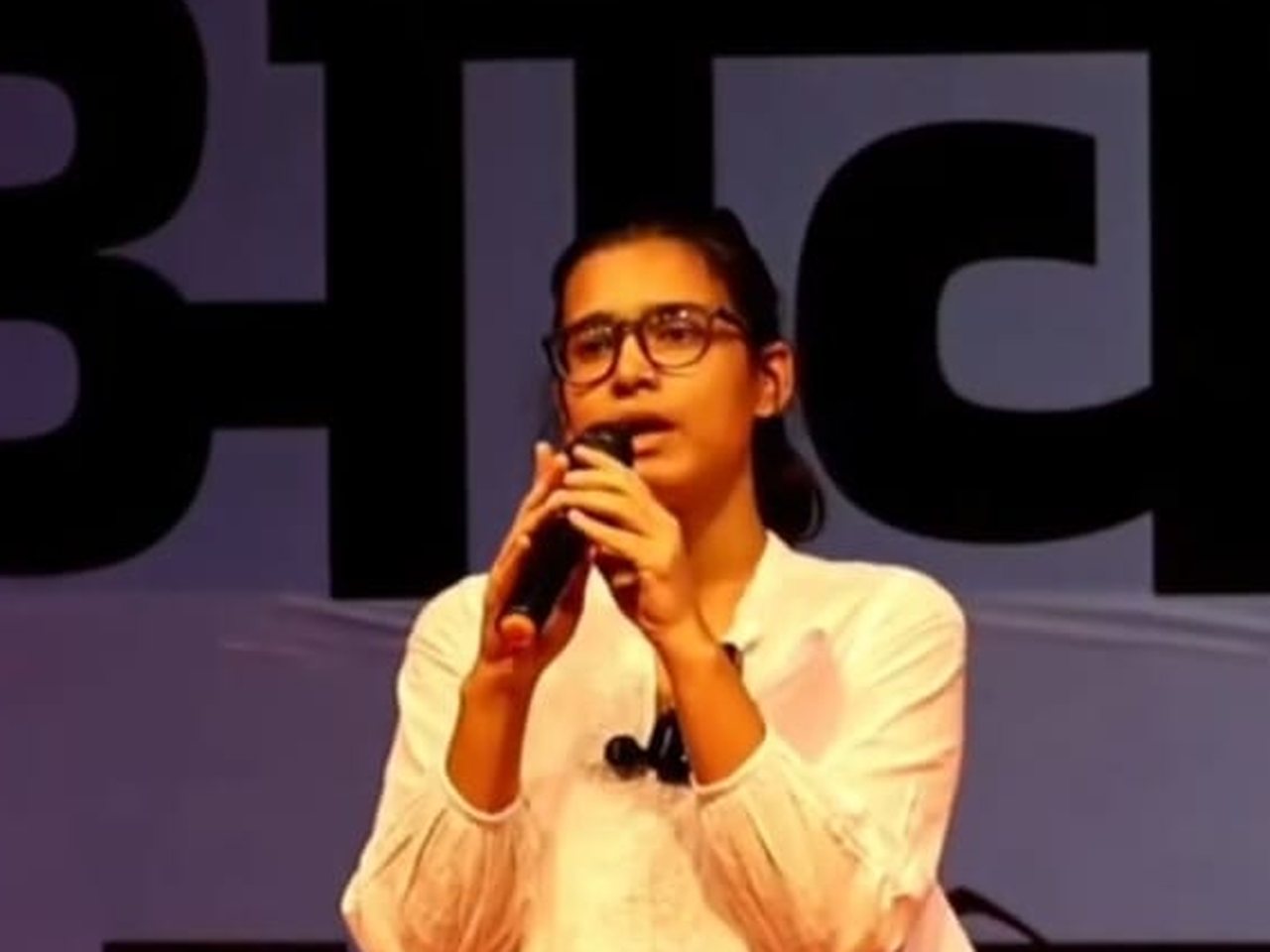
The Delhi High Court on Thursday finished hearing AISA president Neha Bora’s challenge to a police magistrate’s notice asking her to sign a ₹10,000 bond to keep the peace. Justice Subramonium Prasad said he needed time to write his judgment and indicated it could come by Tuesday.
Bora, who leads the All India Students’ Association, was detained at Mandi House on 16 October as students set out on a Tiranga march linked to the protests against Chief Election Commissioner Gyanesh Kumar. Two days later, a Special Executive Magistrate issued her a notice under the Bharatiya Nagarik Suraksha Sanhita asking for a personal bond of ₹10,000. The next hearing before the magistrate is on Saturday.
“No exhortation to violence”
Senior advocate Gopal Sankaranarayanan, appearing for Bora with advocate Abhik Chimni, told the court the notice was copied from a template and was “ex facie constitutionally wrong and legally wrong”. “Even for an interim bond an inquiry is essential,” he said. Bora’s activity, he argued, had been peaceful throughout: “There has been no exhortation to violence, it has been entirely peaceful.”
He told the judge the law worked in two steps. “Stage 1 is substance; stage 2 is the inquiry,” he said, adding that there was “no opinion at all” from the magistrate on why Bora was likely to break the peace. The case, he argued, turned on her rights to free speech and to assemble peacefully, both of which can be limited only on grounds of public order.
“Bond to dena padega”
Additional Solicitor General Chetan Sharma, for the state, said the petition was neither maintainable nor fit to be entertained. Sections 126 and 130 of the BNSS had to be read together, he said: “126 and 130 ride together. They are not disjunctive.” On whether a person was likely to commit a breach of the peace, he said, “This is subjective satisfaction as wide it can get.”
Sharma told the court that Bora faced six FIRs and that the notice had not yet led to any bond or penal consequence. She could appear before the magistrate in person or through a lawyer, he said. But on the main question he was blunt: “Bond to dena padega,” meaning a bond would have to be given.
The court’s questions
Justice Prasad noted that the scope for a court to examine a magistrate’s subjective satisfaction was “exceedingly narrow”. He nonetheless pressed the state on whether the magistrate had made any independent inquiry and whether the finding that Bora was likely to commit an offence rested on credible information. “The only safeguard is the requirement of the law to be met,” he said, likening the notice to “suspension till inquiry”.
The case is one of several in Delhi’s courts over the use of peace bonds and preventive detention against people who joined the anti-CEC protests this month. Cockroach Janta Party founder Abhijeet Dipke was released on a peace bond on 17 October, and party leaders Saurav Das and Ashutosh Ranka were freed on Wednesday after undertaking not to call for protests at Jantar Mantar while it remains de-notified.