Bhashini pitches Indian-language AI for theses and research at IIT Delhi symposium
The government's language AI platform, past 10 billion inferences, offered universities tools to translate and transcribe scholarly work at the ETD-2026 meeting that closed on Sunday.
Key points
- Bhashini says it has crossed 10 billion cumulative AI inferences.
- It supports 36 Indian languages for text and 23 for voice, plus 35 foreign languages.
- Its translation plug-in runs on more than 800 government websites.
The government’s Indian-language AI platform, Bhashini, made its pitch to universities and libraries this weekend, showing how its tools could translate and transcribe theses and research papers so they can be read in any Indian language.
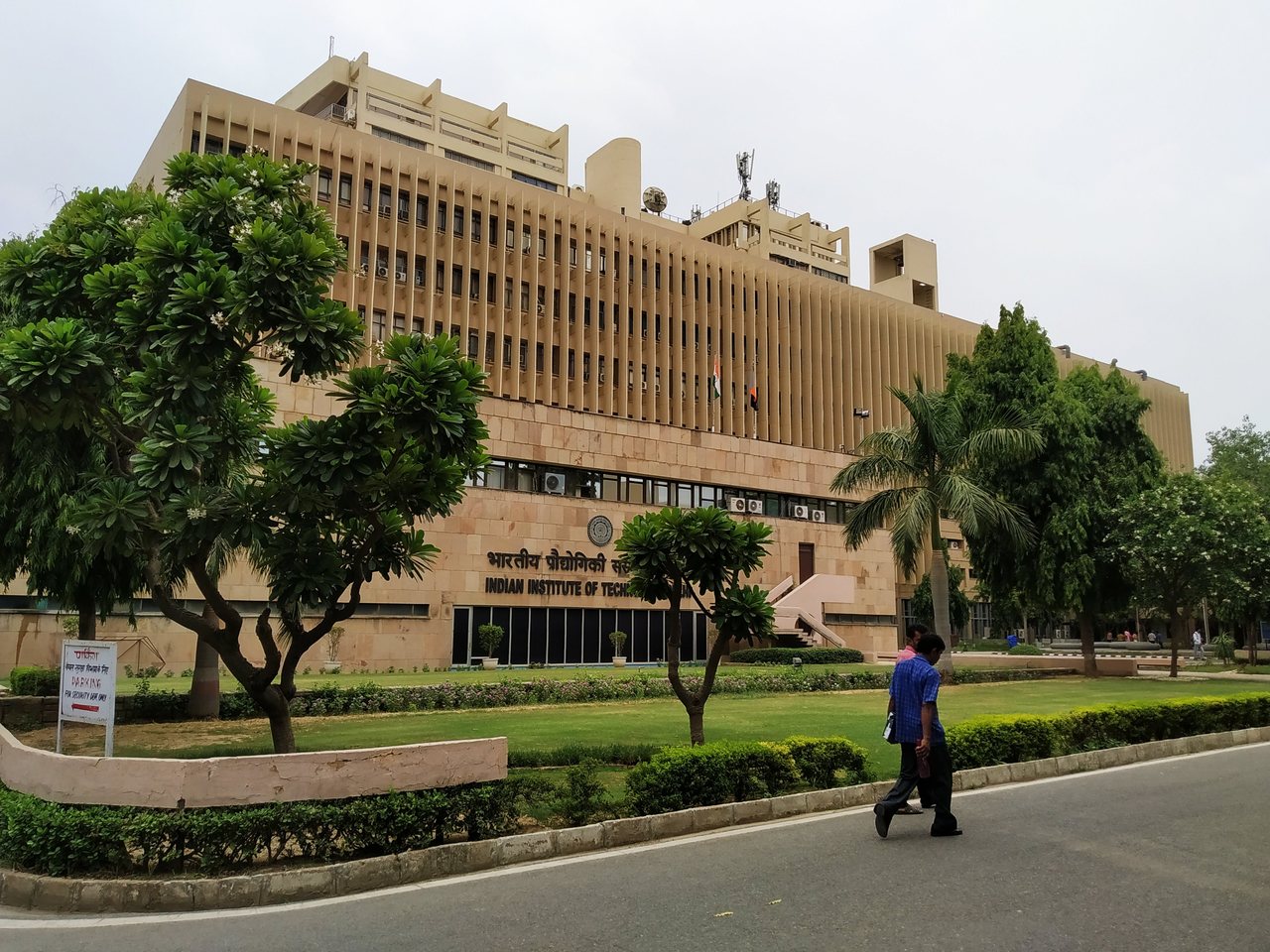
The Digital India Bhashini Division, part of the Ministry of Electronics and Information Technology, took part in the 29th International Symposium on Electronic Theses and Dissertations (ETD-2026) at IIT Delhi, which ran from 23 to 25 October.
The division said Bhashini had passed 10 billion cumulative AI inferences, each one a request handled by its models. It works with 36 Indian languages for text and 23 for voice, as well as 35 international languages, and its translation plug-in is used on more than 800 government websites.
Baishali Chakraborty led a workshop on the platform, and delegates saw a live demonstration of Shrutlekh, which transcribes speech in real time while translating it. Other tools on show included Bhashini Pragati, a workbench for translating and reviewing long documents built for the Comptroller and Auditor General, which can handle files of 100 to 500 pages, and Granthika, for digitising books, manuscripts and oral histories.
Harshad Sharma, senior manager (finance) at the division, described the aim as “making research and scholarly knowledge accessible across Indian languages”.
Delegates asked how reliable machine translation would be for academic PDFs. The division’s answer was to combine translation models trained for specific subjects with human review. It discussed adapting the workflow for Shodhganga, the theses repository maintained by INFLIBNET, and invited universities and libraries to work with it on their own uses.