Science & TechEnvironment
Delhi gets ₹80 crore lab to trace where its smog comes from, hour by hour
Jitendra Singh opened the AATAL facility at IITM's Delhi branch on Saturday. It is meant to tell agencies which sources are driving pollution at any moment, ahead of the winter smog season.
Key points
- The Integrated Atmospheric Chemistry and Aerosol Toxicity Analysis Laboratory was set up at a cost of ₹80 crore under Mission Mausam.
- It identifies sources such as traffic, industry, crop-residue burning and dust and estimates each one's share.
- Jitendra Singh said transport accounted for about 25% of Delhi's pollution at one point during the demonstration.
Delhi has a new laboratory meant to answer the question that comes up every winter: where is the smog actually coming from?
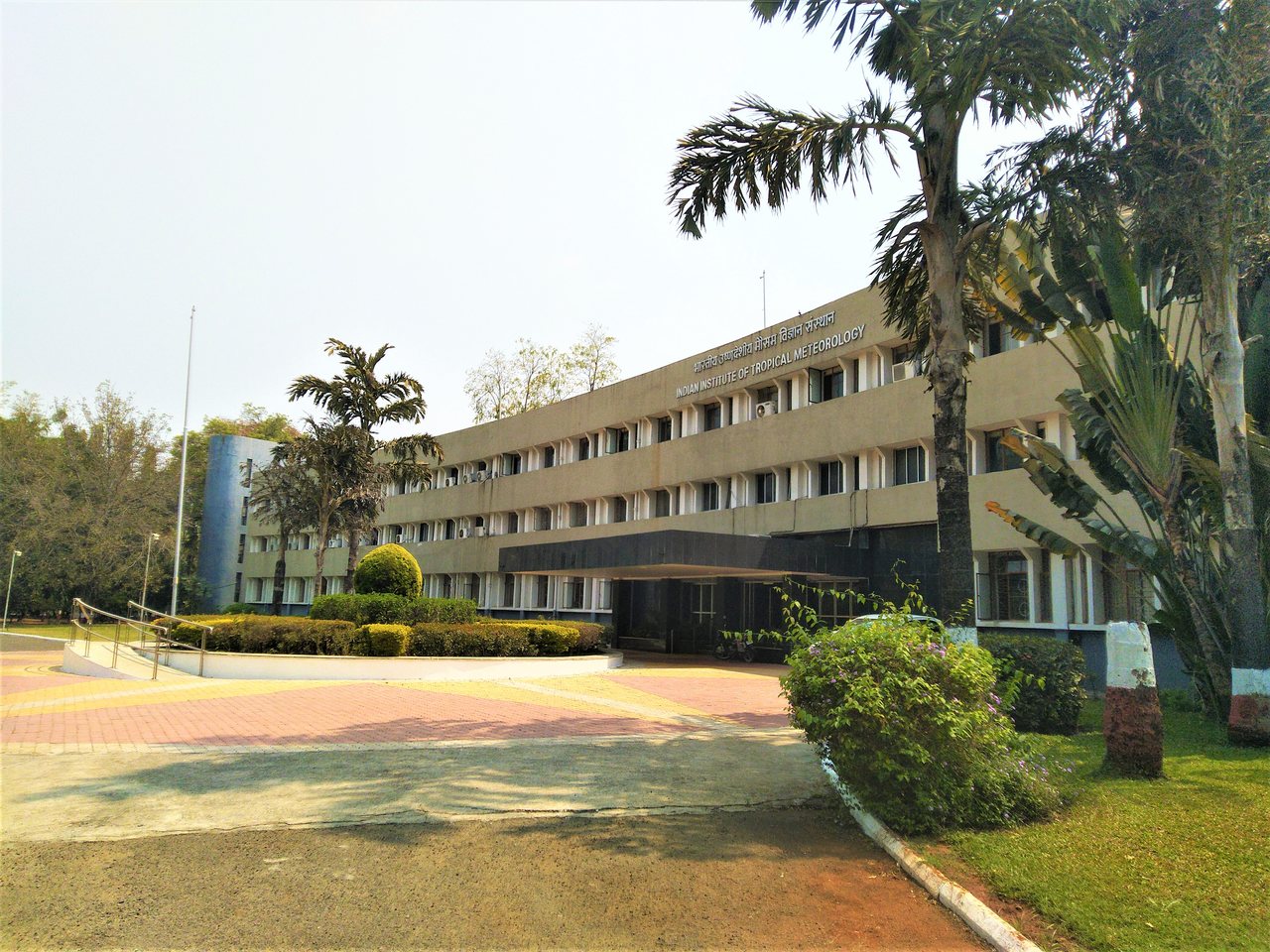
Union Minister Jitendra Singh on Saturday opened the Integrated Atmospheric Chemistry and Aerosol Toxicity Analysis Laboratory (AATAL) at the Delhi branch of the Indian Institute of Tropical Meteorology (IITM). The Ministry of Earth Sciences built it at a cost of ₹80 crore under Mission Mausam, and describes it as the first integrated facility of its kind in the world.
The lab goes beyond reporting how bad the air is. It analyses gases and aerosols, including fine particulate matter (PM2.5), metals and toxic elements, to work out what the pollution is made of, which sources it comes from, how much each one contributes and what risk it poses to health.
“Earlier, the discussion would largely revolve around whether the pollution level was 100 or 200,” Singh said. “This facility will help us understand the composition of pollution as well as the contribution of different sources.”
Who is to blame, and when
The sources the lab tracks are the familiar suspects of a Delhi winter: vehicle exhaust, industry, the burning of biomass and crop residue, construction and road dust, and pollution blown in from neighbouring regions. Because it works in near real time, it can show how their shares change through the day and across the season.
During the inauguration, Singh pointed to a live reading showing that transport was contributing about 25% of the city’s pollution at that moment.
AATAL is linked to AIRWISE, IITM’s decision-support system, which combines observations, source estimates and air-quality forecasts at a resolution of 400 metres for the next 72 hours.
Built for the agencies
The ministry says the facility will give the Commission for Air Quality Management (CAQM) and other bodies measured evidence to target their actions and judge whether they worked, including the curbs imposed in stages under the Graded Response Action Plan (GRAP). It expects AATAL and AIRWISE together to help agencies plan preventive steps before pollution peaks, rather than reacting once it has.
Singh called for a whole-of-government approach, with scientific, environmental, pollution-control and disaster-management bodies working together.
Ministry of Earth Sciences Secretary T Srinivasa Kumar, IITM Director A Suryachandra Rao and India Meteorological Department Director General Mrutyunjay Mohapatra attended the opening.
The lab opens as Delhi-NCR heads into its annual smog season, when stubble burning in neighbouring states adds to the city’s own emissions. The ministry said Delhi-NCR was chosen for the facility because of public concern over air pollution.