Science & TechMedicine
Lab-grown mini intestines pitched as a way to test drugs without animals
Denver start-up Intero Biosystems ships millimetre-sized human gut organoids to drugmakers, as US regulators open the door to non-animal testing.
Key points
- Intero's GastroScreen organoids are about 1 mm across and grown from stem cells.
- The model is in the second of three validation stages.
- The US FDA issued draft guidance in March 2026 on validating non-animal test methods.
A start-up spun out of the University of Michigan wants drug companies to try out new medicines on tiny lab-grown human intestines before, and eventually instead of, testing them on animals.
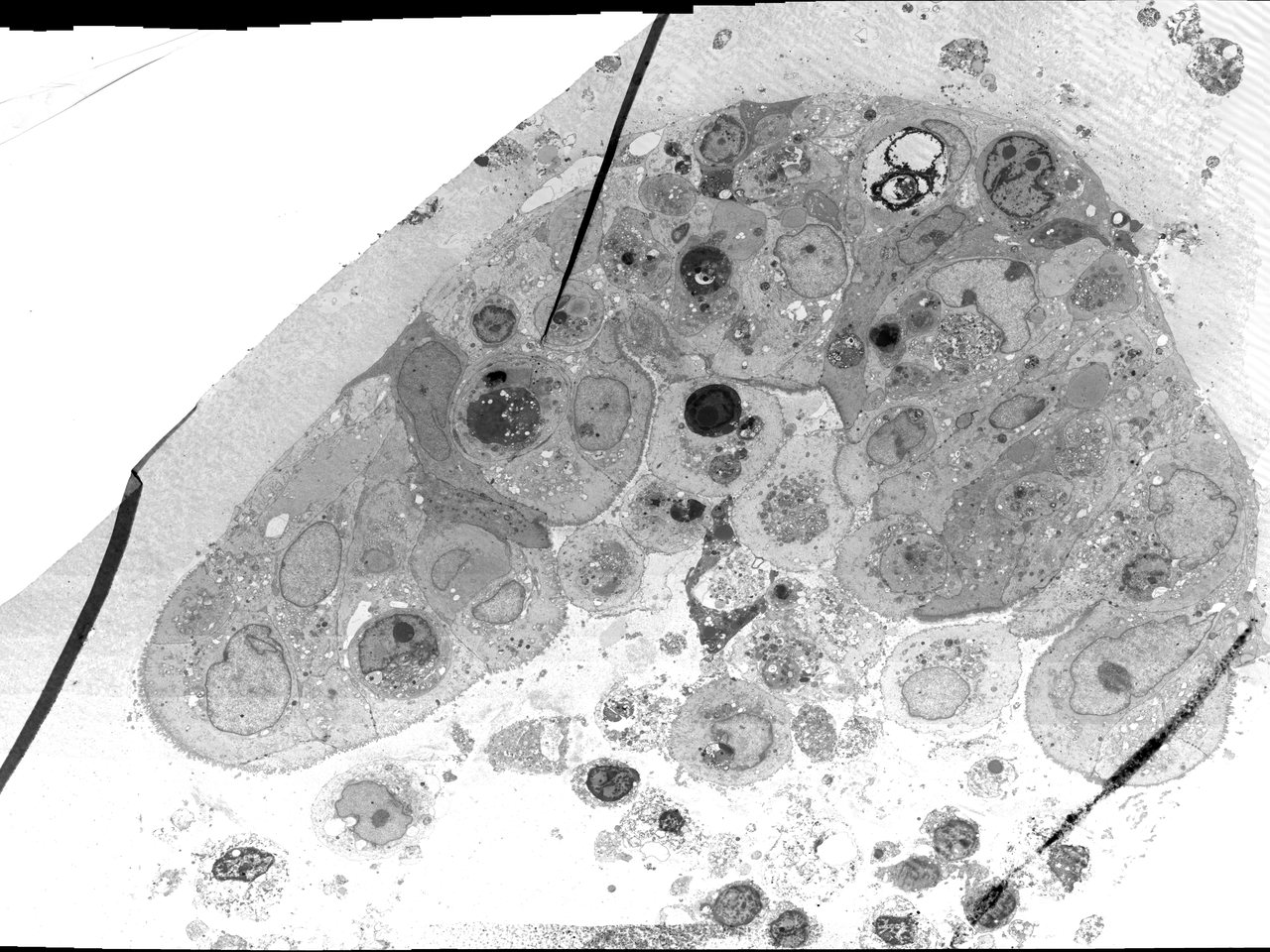
Intero Biosystems, based in Denver, makes GastroScreen, a model of the human gut grown from induced pluripotent stem cells. Each organoid is about a millimetre across and contains several cell and tissue types, which the company says sets it apart from simpler gut models made of flat layers of cells. It ships them about 100 at a time. “We’re literally shipping mini living organs in the mail to people,” co-founder and chief executive Charlie Childs said.
Customers can test drugs on healthy tissue or on models of disease. Intero, which presented this week at TechCrunch Disrupt in San Francisco, also sells growth supplies and runs custom studies on drug safety.
Still being proven
GastroScreen is in the second of three validation stages. The company says it has responded as expected to a known anti-inflammatory drug and to compounds known to damage the gut. In the final stage, several pharmaceutical companies are comparing its results with their own animal and clinical data.
The timing suits the company. In April 2025 the US Food and Drug Administration set out a plan to reduce reliance on animal testing, promoting organoids, organ-on-chip devices and computer models. In March this year it issued draft guidance on how such “new approach methodologies” should be validated, without endorsing any one method.
Founded in 2024, Intero has seven employees and just under 10 customers, and says it brought in more than $400,000 in revenue over the past four quarters after a $2.3 million pre-seed round. It now makes a few thousand organoids at a time and wants to reach hundreds of thousands per batch through automation. It faces rivals including Altis Biosystems, InSphero and MIMETAS.