Sunil Mittal warns against waiting for an 'accident' before regulating AI
At the Bloomberg New Economy Forum in New Delhi, the Airtel chairman said AI should not be stifled, while OpenAI said Indian firms now want results, not trials.
Key points
- Bharti Airtel chairman Sunil Mittal said global talks on AI rules are not moving at the pace they should.
- OpenAI's India policy head Pragya Misra said the next phase of AI is about outcomes, not experiments.
- Cars24 uses OpenAI models for nearly a million conversation minutes a month, she said.
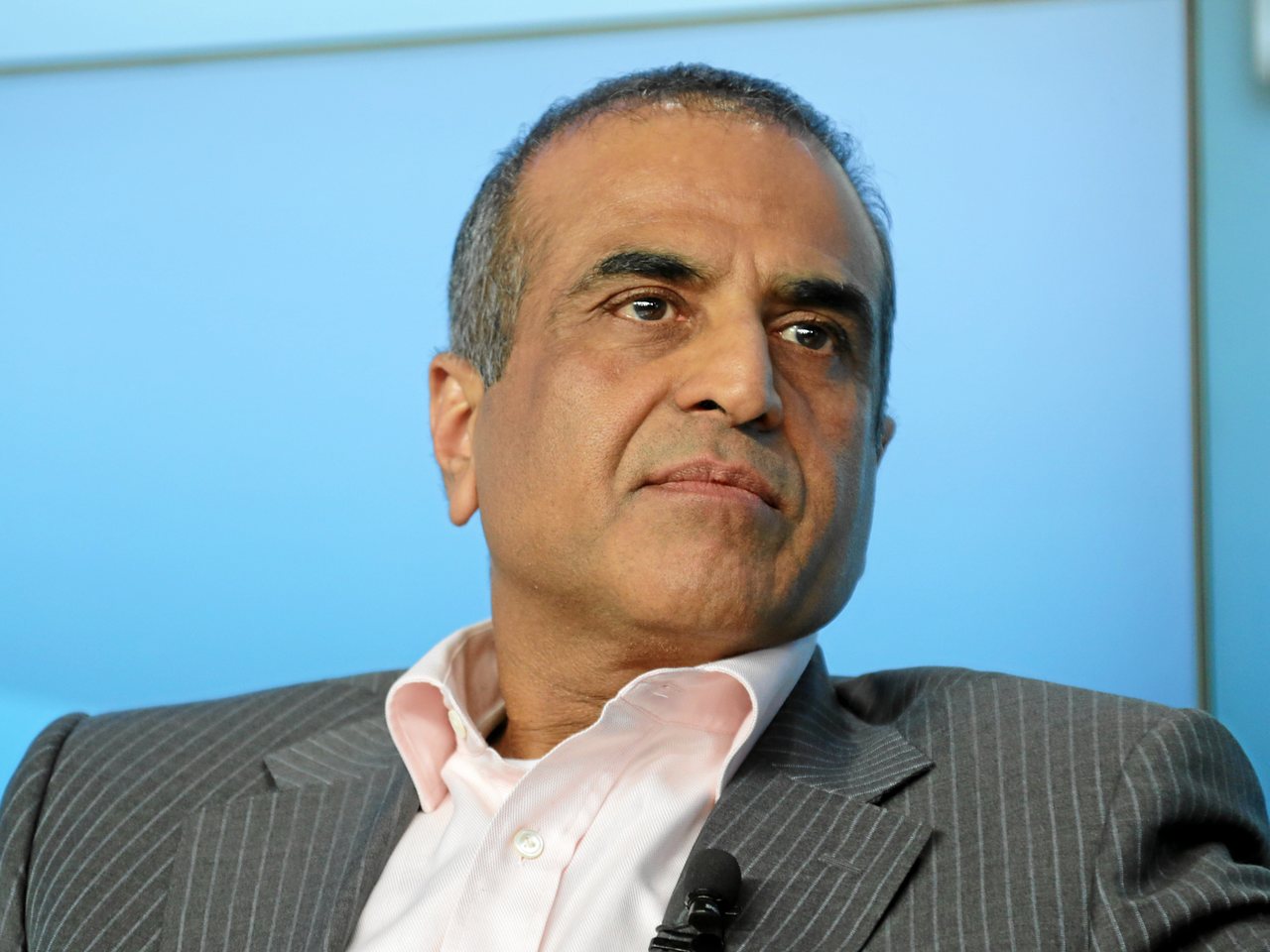
Bharti Airtel chairman Sunil Mittal said on Wednesday that governments must set rules for artificial intelligence before something goes wrong, while warning against choking off its growth.
“We need to think about the regulation. I don’t think we need to stifle it or stop the growth of it,” Mittal told the Bloomberg New Economy Forum, which is meeting in New Delhi from 13 to 15 October. But “it will be foolish for anybody to think that we can let it flow”, he added. “Are we going to wake up only when an accident happens or we do it before.”
He said there was suddenly “a scrambling around the government corridors” over how to keep countries secure as AI spreads into every part of life, and that international talks were lagging. “Unfortunately, that conversation is not happening at the pace it should,” he said.
OpenAI’s pitch to Indian business
At the same forum, Pragya Misra, who leads public policy and strategy for OpenAI in India, said companies had moved past pilots. “The next phase... for AI is really going to be not experiments but actually driving outcomes,” she said, describing results that firms can “put down in your shareholder report”.
She said the used-car platform Cars24 runs nearly a million conversation minutes a month through an OpenAI-powered agent that helps sellers list cars, and that about 12% of sellers it had lost are now coming back. An Indian healthcare company, she said, built its own customer management system after a three-week trial of OpenAI’s Codex coding tool, instead of buying one that would have cost it “close to 80 lakhs of rupees”.
Misra said OpenAI now offers data residency and local processing in India. “We want AI to be as much as we use electricity today, where intelligence should be available really to everyone,” she said.