Science & TechTelecom
Starlink waits on security clearance as Musk accuses 'oligarchs' of blocking it
The government says all three licensed satellite internet companies, Jio's included, are at the same stage. Elon Musk has asked whether Mukesh Ambani is 'the real boss of India'.
Key points
- The government says a security assessment is under way for all three satcom licensees: Starlink, Eutelsat OneWeb and Jio.
- Elon Musk accused "certain oligarchs" of blocking Starlink and named Mukesh Ambani in a later post.
- SpaceX says 20 gateway sites in India are ready; spectrum comes only after security clearance.
Elon Musk’s Starlink is still waiting for a security clearance before it can sell satellite internet in India, and Musk has turned the wait into a public fight. Over two days last week he accused “certain oligarchs” of blocking the service, then asked on X whether Reliance chairman Mukesh Ambani was “the real boss of India”. The government rejected the charge, saying its rules apply equally to every company.
What the government says
The Ministry of Communications said on 8 October that India runs a “fair and non-discriminatory” licensing framework, and called any suggestion of selective treatment “baseless and misconceived”. Three operators with satellites that circle the Earth, rather than hover over one spot, hold licences: Starlink, the Bharti-backed Eutelsat OneWeb and Jio Satellite Communications. “Security assessment as part of this process is currently under way in respect of all the three licensees,” the ministry said. All three, it added, are broadly at the same stage.
Minister of State for Communications Chandra Sekhar Pemmasani said the Department of Telecommunications had already given licences and provisional spectrum to all of them. The last step is clearance from the Ministry of Home Affairs. “As soon as it is cleared, they will get it,” he said. “It has nothing to do with one company.”
Communications Minister Jyotiraditya Scindia said on Friday that each company can start “as and when they individually fulfil security conditions”. “India does not allow a monopoly in any sector,” he said.
Musk’s charge
Musk’s first post came late on 7 October, hours after a SpaceX executive told the India Mobile Congress in New Delhi that Starlink was ready to go. “Unfortunately, we are being blocked by certain oligarchs in order to maintain their monopolistic chokehold,” he wrote, calling it “a crime against the people of India”. The next day he said Starlink “is licensed in over 165 countries and has spent five years complying with every single law”, and named Ambani. He offered no evidence.
Reliance did not respond to the claim. At the congress, Reliance Jio chairman Akash Ambani said he had not seen Musk’s comment. Bharti Airtel chairman Sunil Bharti Mittal said Airtel’s own satellite venture was also waiting for approvals.
The row soon turned political. Leader of the Opposition Rahul Gandhi wrote: “Welcome to India, Elon. Wait till you discover the other guy.” Musk replied: “Thank you, Rahul. This is indeed troubling.” BJP leader Ram Madhav hit back, asking “How did they become Surrender Gandhi?”, and said spectrum should be allocated under the rule of law, not outside pressure.
Why security is the sticking point
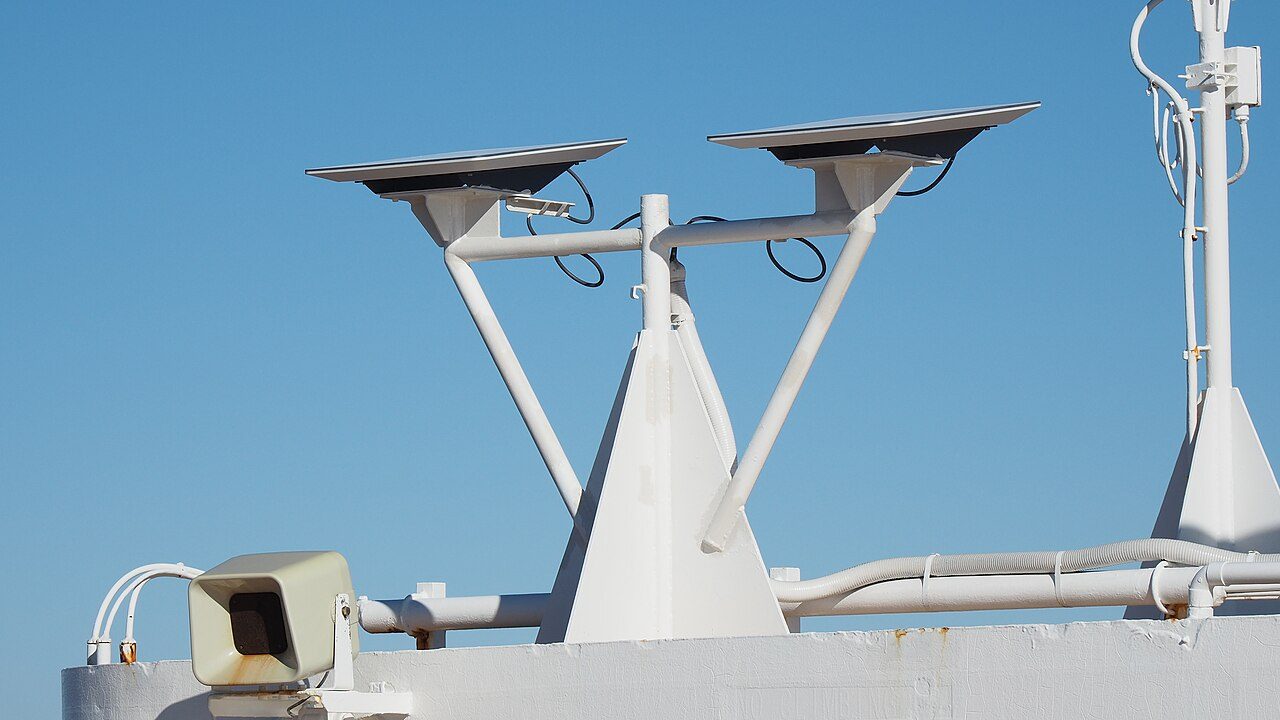
Satellite broadband sends internet from satellites to a small dish at the user’s home, which is why it is pitched for remote and poorly served areas. But the traffic still has to come down to earth stations on Indian soil, called gateways, that link the satellite network to Indian telecom networks. That is where the government wants control. Telecom department guidelines issued in May ask operators for real-time traffic monitoring, data centres inside India, and at least 20% locally made ground equipment within five years of starting service.
Lauren Dreyer, vice-president of Starlink business operations at SpaceX, told the congress that 20 gateway sites with hundreds of antennas were ready. “We have built our Starlink operations specifically for India in recognition of Indian security requirements,” she said. “We are standing ready to serve India once India is ready.”
What happens next
Once a company is cleared, it can be assigned spectrum. The Union Cabinet has yet to decide what satellite operators will pay for it, and the government has given no timeline. Starlink has not announced prices for India.