SportsBRICS Games
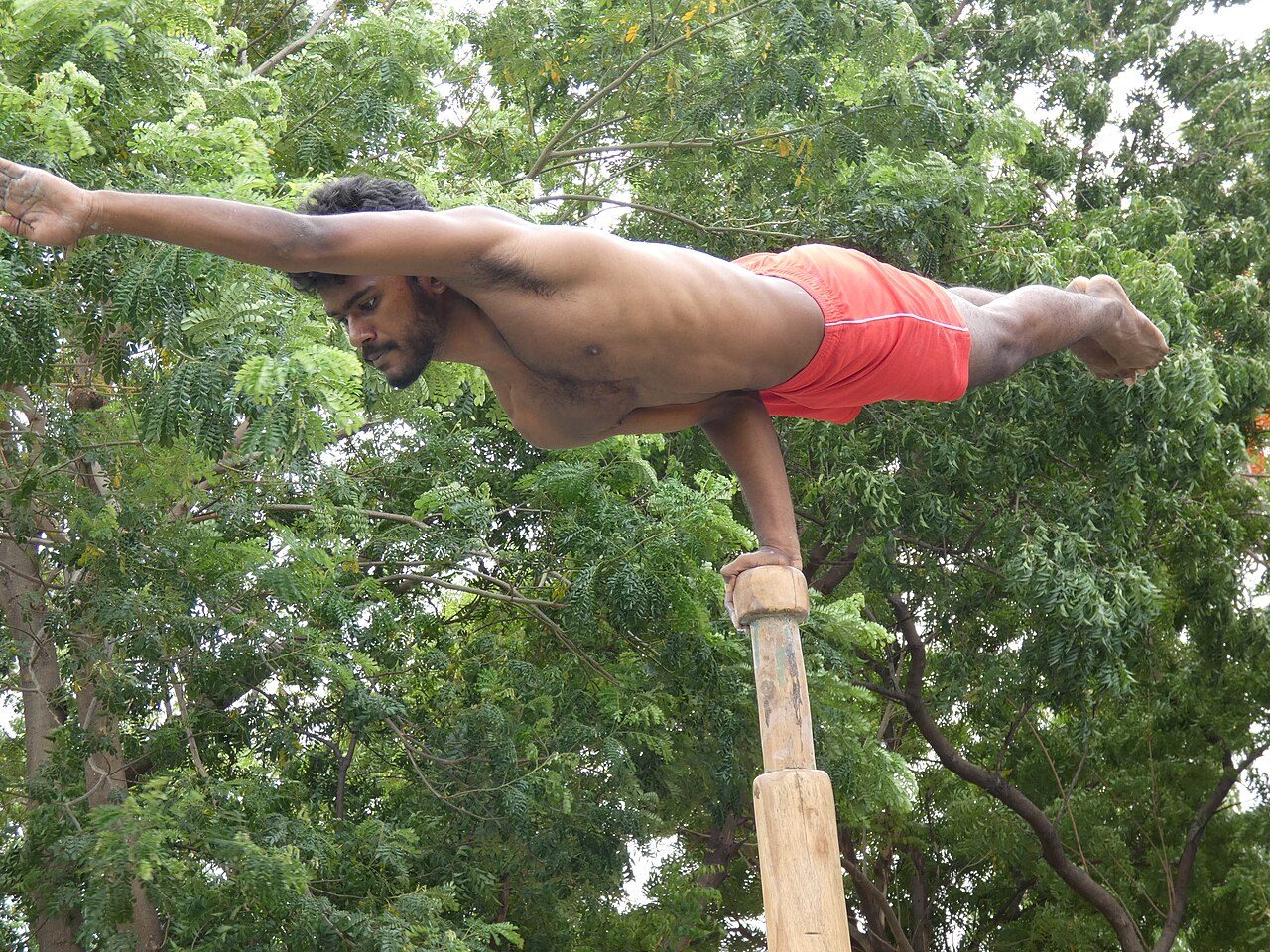
Mallakhamb, capoeira and gorodki as BRICS traditional games open in Ahmedabad
Delegations from across the BRICS group showed off their indigenous sports in Ahmedabad on Monday, as Sports Minister Mansukh Mandaviya proposed a shared record of games at risk of being forgotten.
Key points
- The BRICS Traditional and Indigenous Sports Demonstration Games were held in Ahmedabad on 12 October.
- Mandaviya proposed a voluntary BRICS repository to record the history, rules and equipment of traditional sports.
- The event was non-competitive: teams demonstrated sports from gorodki to capoeira and kalaripayattu.
Mallakhamb performers from India, capoeira players and log racers from Brazil and wushu artists from China shared one arena in Ahmedabad on Monday, as the BRICS Traditional and Indigenous Sports Demonstration Games were held at the Veer Savarkar Sports Complex.
The day-long event, organised by the Union Ministry of Youth Affairs and Sports with the Gujarat government under India’s BRICS chairship, was not a competition. Delegations from BRICS member and partner countries came to show how their games are played, and to talk about keeping them alive.
A field full of old games
India put up mallakhamb, yogasana and kalaripayattu. China brought wushu, the lion dance and health qigong, and Brazil came with capoeira, an indigenous blowpipe demonstration, a log race and para jiu-jitsu.
Russia showed sambo and gorodki, and Belarus also brought gorodki. Iran’s athletes performed zoorkhaneh, haft sang and ghanieh. Kazakhstan brought qazaq kuresi, asyk atu and togyzkumalak. Bolivia’s programme included lucha de cholitas, tinku and trompo, and South Africa demonstrated kgati and iintonga. The United Arab Emirates showed al tabbah.
Cultural performances ran alongside the demonstrations, and the teams were felicitated at the close.
Mandaviya’s three proposals
Union Sports Minister Mansukh Mandaviya, who declared the games open in the presence of Gujarat Deputy Chief Minister Harsh Sanghavi, used the occasion to put forward three ideas for the BRICS group.
First, we should work towards creating a voluntary BRICS Repository of Traditional and Indigenous Sports.
The repository would record each sport’s history, cultural meaning, rules, equipment and playing area. His other two proposals were exchanges among practitioners, coaches, researchers and cultural experts across member countries, and regular demonstrations of traditional sports at future BRICS sporting events.
Sanghavi offered his own list of five suggestions, among them a joint multilingual digital archive and bringing traditional games into school and college curricula.
India’s pitch
Mandaviya also spoke about India’s wider sports programme. “India is placing sport at the centre of nation-building,” he said, adding that the government had committed nearly $3.76 billion through its Khelo India initiative to infrastructure, grassroots participation, coaching, sports science and athlete welfare.
“Through the Fit India Movement, we are promoting fitness as a way of life,” he said, pointing to the Sundays on Cycle campaign, which he said draws more than 5 million people at more than 3 lakh locations. The campaign has run for 94 editions.
What happens next
The proposals were put to BRICS members as voluntary areas of cooperation. Bilateral meetings on sports and traditional games were planned on the sidelines of the Ahmedabad event.
The documents
- BRICS Traditional and Indigenous Sports Demonstration Games 2026 inaugurated in AhmedabadNews On AIR, 12 October 2026