StatesHaryana
Haryana power strike enters second day as Vij tells staff to return to duty
About 40,000 power employees are on strike against a private distribution licence for Gurugram and Nuh. Outages have hit homes, water supply and factories across Gurugram, Faridabad and Nuh.
Key points
- About 40,000 power employees and engineers are on a three-day strike that runs until 24 October.
- They want HERC's 25-year parallel licence for Gurugram and Nuh cancelled.
- Energy Minister Anil Vij said the government was ready to discuss all options.
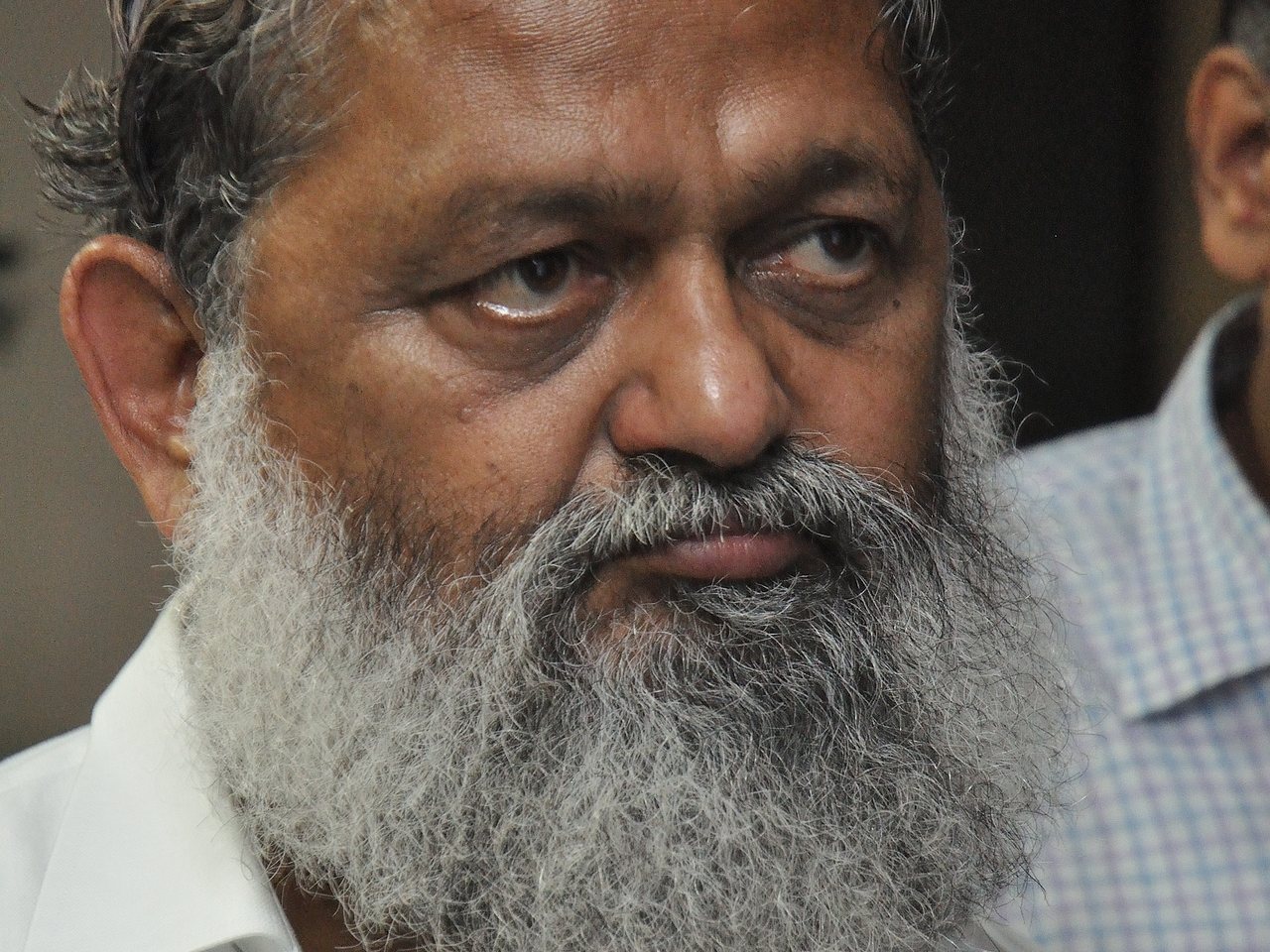
Haryana’s power strike went into its second day on Friday with large parts of Gurugram, Faridabad and Nuh still without reliable electricity, as Energy Minister Anil Vij urged the striking employees to go back to work.
“End the strike and return to duty. We are ready to hold discussions on all options,” Vij wrote on X on Friday. He said those options included a step under Section 108 of the Electricity Act, 2003, the provision that lets a state government issue policy directions to its electricity regulator. Later in the day the minister was reported to have said the strike would end within hours and that union leaders had agreed to meet him.
Why the staff walked out
The strike was called by the Haryana Electricity Employees and Engineers Joint Struggle Front, which speaks for regular and contract workers and power engineers. About 40,000 of them stopped work at 10 pm on 21 October for three days, until 24 October.
Their target is an order of the Haryana Electricity Regulatory Commission (HERC) dated 19 October. It gave Eleven Power Private Limited a 25-year parallel licence to distribute electricity in Gurugram and Nuh, the first such licence in the state. The employees want it cancelled and a clear state policy against parallel licences.
Front leader Devender Singh Hooda has said the strike is not about pay or allowances but about stopping privatisation and keeping power affordable for farmers and other consumers. Subhash Lamba, national president of the Electricity Employees Federation of India, and Shailendra Dubey, chairman of the All India Power Engineers Federation, have backed the stir. Lamba asked why the state had not acted earlier against the licence if the Chief Minister and the Power Minister were opposed to privatisation.
Farmer groups in the Samyukt Kisan Morcha, the Sarv Karamchari Sangh Haryana and unions including CITU, AITUC, INTUC and AIUTUC have held demonstrations in support. A national coordination body of power unions has asked staff in Punjab, Himachal Pradesh, Uttar Pradesh, Rajasthan and Jammu and Kashmir not to fill in for the strikers.
Dark homes, dry taps
The strike’s first day left an estimated 10 lakh consumers affected. Gurugram logged more than 3,000 complaints within 12 hours, with outages in Sectors 5, 7, 10A and 52, Palam Vihar and Daulatabad. Residents said complaint centres had stopped answering, and some localities ran short of drinking water.
Factories in Gurugram’s Sector 37, Kadipur and Basai stopped work. Deepak Maini, chairman of the Progressive Federation of Trade and Industry, warned that losses could run into crores of rupees. In Faridabad, residents of NIT-2 blocked a road after about 13 hours without power left their taps dry, and police moved them on. In Nuh, Punhana, Nagina and Firozpur Jhirka were hit. On Friday some villagers said they would not leave the road until supply came back.
The government’s line
Vij says the government is itself against privatisation and has challenged the HERC order before the Appellate Tribunal for Electricity, seeking a stay. He has described HERC as an autonomous body under central law and invited employees to help the government’s lawyers or hire their own. “Leave the path of strike and join us to fight the legal battle against it,” he said on Thursday.
Talks between Gurugram Deputy Commissioner Uttam Singh and the employees failed to break the deadlock. The district administration has ordered back-up arrangements for hospitals, water works and the Metro.