WorldSoutheast Asia
Indonesian shares suffer worst day since 1998 after MSCI proposes demotion
The Jakarta Composite fell more than 11% and trading was halted for half an hour after the index provider said it plans to move Indonesia out of its emerging-markets group.
Key points
- The Jakarta Composite fell more than 11% on Friday, its steepest one-day drop since January 1998.
- MSCI proposed moving Indonesia from emerging-market to standalone status, skipping the frontier tier.
- UBS has put potential outflows at about $19 billion if the downgrade goes ahead.
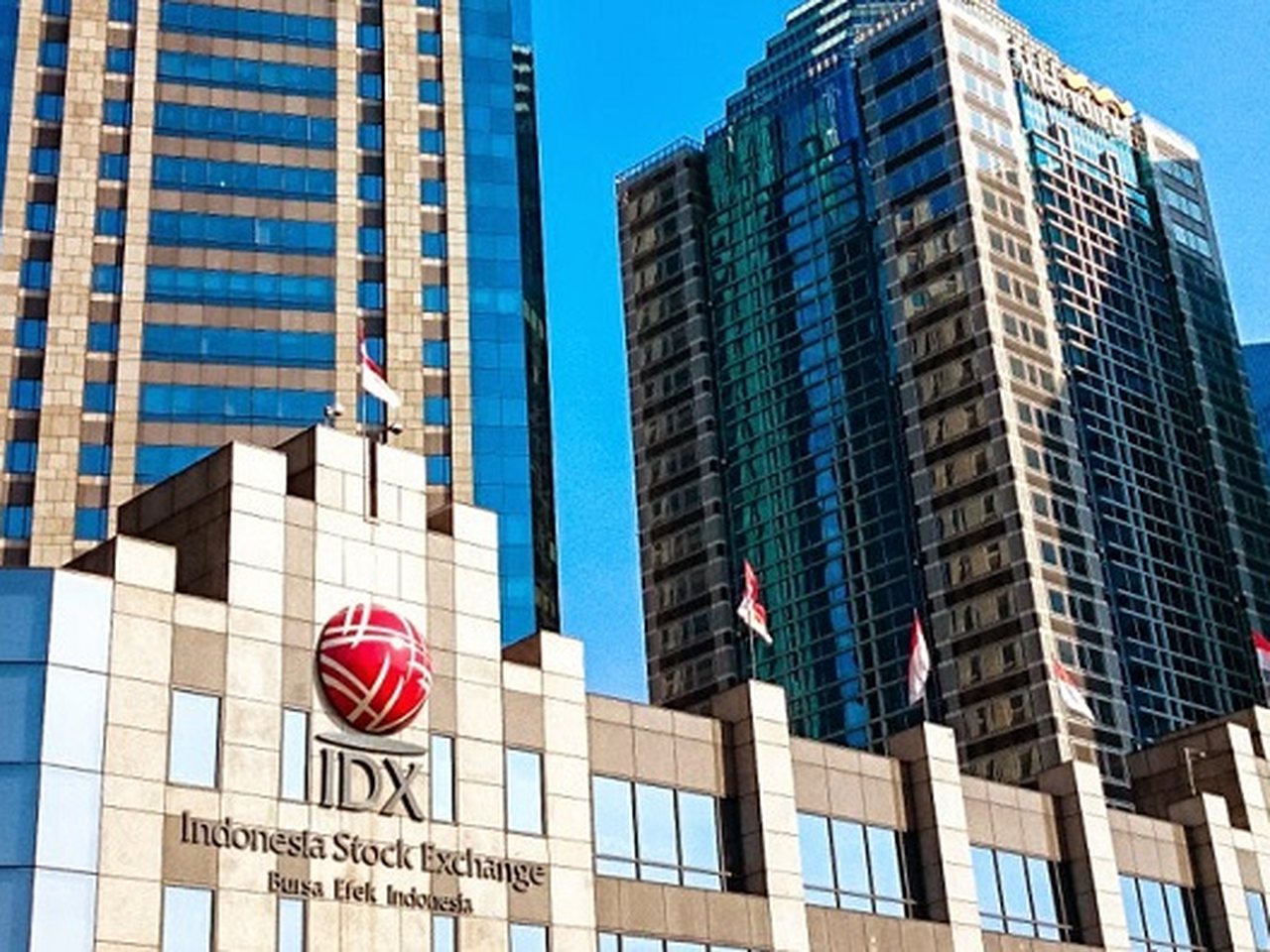
Indonesia’s stock market had its worst day in more than a quarter of a century on Friday after the global index provider MSCI proposed throwing the country out of its emerging-markets group.
The Jakarta Composite Index fell more than 11%, its steepest one-day drop since January 1998. Trading on the Indonesia Stock Exchange was stopped for 30 minutes after the benchmark slid 8% soon after the opening bell. The rupiah weakened towards record lows against the US dollar.
The fall leaves the index down close to 40% this year, the worst performance of any market in the region and its lowest level in six years. It came on a day when most of Asia was recovering. The MSCI Asia Pacific index rose 1.1% as investors went back into technology shares that had been sold off earlier in the week.
What MSCI wants to do
MSCI said on Thursday it would consult investors on moving Indonesia from Emerging Market to Standalone Market status. It said the reforms Jakarta had announced had “not yet delivered sufficient evidence of meaningful improvements in market governance and enforcement.”
The index provider’s concerns are about how hard it is to see who owns Indonesian companies, how concentrated that ownership is, and suspected coordinated trading. It said a move to the Frontier Market tier would not reflect how deep the problems run, which is why it chose the standalone category instead.
Until it decides, MSCI will keep its freeze on Indonesian stocks. It will not raise foreign inclusion factors or share counts, add new companies to its Indonesia investable index, or move stocks up between size segments. It will also keep deleting securities flagged under Indonesia’s own High Shareholding Concentration rules.
Investors can comment until 30 April 2027, and MSCI expects to give a final decision by 30 June 2027. It said it would go ahead unless the consultation produces clear evidence of real improvement.
What it could cost
Index funds that track MSCI’s emerging-market benchmarks would be forced to sell Indonesian holdings if the downgrade goes through. UBS has estimated that passive funds could pull about $4 billion and actively managed portfolios could cut exposure by about $15 billion, a combined $19 billion. The bank presented this as a possible scenario, not a forecast of confirmed selling.
Both Moody’s and Fitch have already cut their outlook on Indonesia’s credit rating to negative, citing doubts over the credibility of policymaking.
Jakarta’s response
The stock exchange said the proposal was not final. Its chief executive, Jeffrey Hendrik, has sought clarification from MSCI.
Indonesian authorities have announced a series of reforms in recent months. They include disclosure of every shareholder holding more than 1% of a company, more detailed reporting of investor types, reporting under the High Shareholding Concentration framework, and a road map towards a minimum free float of 15%.
MSCI had warned after its June review that it would consider a consultation if there was not enough progress by its November 2026 review. Investors, it said, want to see the rules applied consistently and evidence that they are working.