WorldMiddle East
Iran says seven tankers hit or mined near Hormuz, warns US bases could be next
The Revolutionary Guards claimed four oil ships were set ablaze and three struck mines overnight, as Tehran's security chief said Iran had held back its full strength and was "ready for the next stage".
Key points
- Iran's Revolutionary Guards navy says seven tankers were struck or hit mines in the Gulf and the Strait of Hormuz overnight.
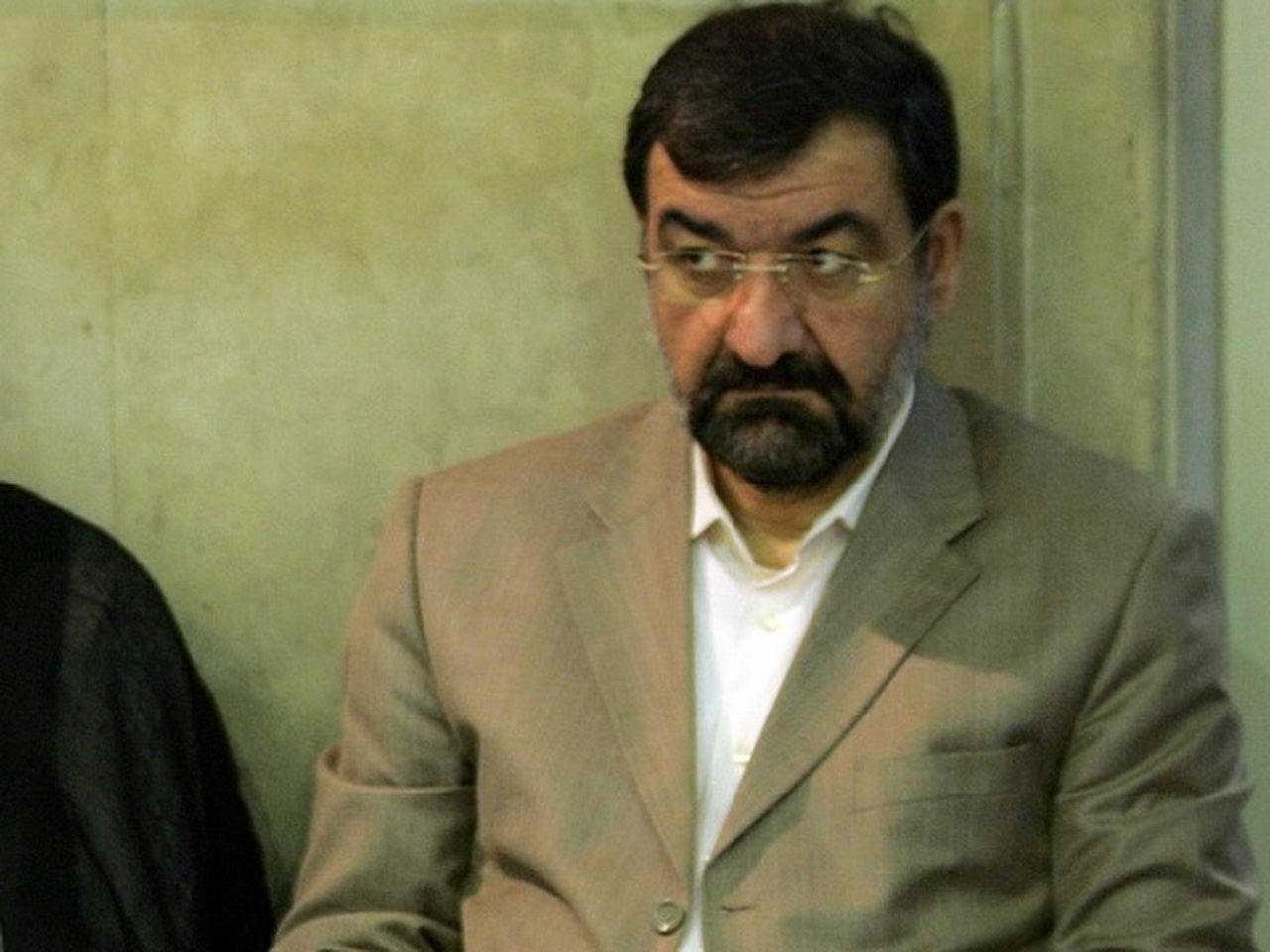
- Security chief Mohsen Rezaei warned that energy markets will not calm down for three years if the war goes on.
- The US is building up its largest naval and air force in the region in decades, including a third aircraft carrier.
Iran’s Revolutionary Guards said on Thursday that seven oil tankers had been set on fire or damaged overnight in the Gulf and the Strait of Hormuz, the highest number of ship incidents Tehran has claimed in a single night and a sharp escalation in a waterway on which India depends for much of its crude.
In a statement carried by state broadcaster IRIB, the Islamic Revolutionary Guard Corps (IRGC) navy said its forces had tracked four ships that had earlier used what it called an “illegal route” and found them transferring oil cargoes in the northern Gulf. “All four ships were hit simultaneously and caught fire,” the statement said. Three other vessels, it added, struck mines in the western part of the strait on Wednesday night and were brought to a halt.
The Guards did not name the ships, their owners or the extent of the damage, and no casualties were reported. The UK Maritime Trade Operations centre, which tracks attacks on merchant shipping, had not reported the incidents, though monitors have noted that some shipping firms have grown reluctant to report attacks.
A warning to Washington
The IRGC blamed the United States for steering commercial ships through waters it says are mined. “The aggressive US army should know that if this trend continues, the scope of the confrontation will be extended to the aggressive bases in the region. This is a serious warning,” the navy said.
Mohsen Rezaei, secretary of Iran’s Supreme National Security Council, struck a similar note. “Everyone should know that action against Iran has a cost. If diplomacy can create this understanding, we prefer diplomacy; but if the war continues, Iran has the necessary tools to continue responding,” he said on Thursday.
Rezaei said Iran had not used its full strength in earlier rounds of the war that began with US and Israeli strikes on 28 February. “We are ready for the next stage,” he said, adding that if the current situation continued, “energy markets will not calm down for the next 3 years.”
Fears of a return to war
The claims come as Washington moves a third aircraft carrier and thousands more troops into the region, joining the largest concentration of American warships and aircraft in the Middle East in decades. Plans for a short, intensive US-Israeli strike campaign against Iran’s energy, nuclear and missile sites after next month’s US midterm elections were reported this week; a White House official said the administration does not comment on military plans “that may or may not exist”.
President Donald Trump said on Wednesday that the US was “not negotiating” with Iran and that “something” would happen “fairly soon”, without saying what. Iran is still promoting a proposal to end the war and fully reopen the strait within a week if the US lifts its blockade of Iranian ports and meets other conditions; Trump has rejected it, though both sides say indirect contacts continue. Attacks on shipping have risen since that rejection.
President Masoud Pezeshkian told Iran’s parliament the country was in “a super-challenge, not a challenge”. “The current situation is neither good for us, nor for the region, nor for the world,” he said.
The India angle
The violence is spreading across the Gulf, where millions of Indians live and work. The Indian Embassy in Riyadh said one Indian national was injured on Wednesday when debris from an intercepted drone fell at Saudi Aramco’s Shaybah oilfield, an attack Saudi authorities said killed two people. “The Embassy has learnt that one Indian national was injured in an attack at Shaybah oilfield today,” the mission said, promising all necessary help.
For India, which imports most of the oil it uses, a widening war around Hormuz means higher fuel and freight costs and more risk for Indian seafarers on Gulf routes. Brent crude climbed above $112 a barrel on Thursday as the attacks mounted.