WorldCaribbean
Jamaica takes in its first flight of third-country deportees from the US
Twenty-two people landed in Kingston under a deal signed in June that the government says it cannot publish. The opposition wants it debated in public.
Key points
- A flight carrying 22 deportees from the United States landed at Norman Manley International Airport on Tuesday.
- Jamaica says it will pass them on to their home countries or elsewhere, and will not accept people with criminal records.
- Foreign Minister Kamina Johnson Smith said the US has not agreed to make the agreement public.
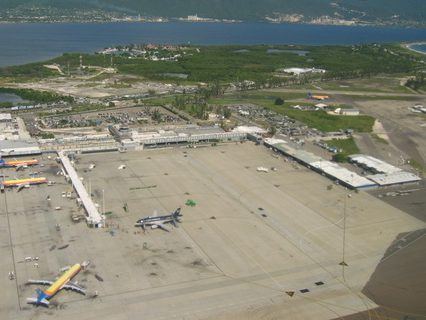
Jamaica received its first flight of third-country deportees from the United States on Tuesday, when 22 people landed at Norman Manley International Airport in Kingston. They were reported to have been put on a bus and taken to an undisclosed location.
Jamaica signed a memorandum of understanding with Washington in June to take in deportees who are not Jamaican. Under the plan it will send them on to their home countries or other destinations. The government says it will not accept anyone with a criminal record, and that the International Organization for Migration, the UN agency, will help look after them.
In a joint statement, the Ministry of National Security and Peace and the Ministry of Foreign Affairs and Foreign Trade described the deal as a “transit arrangement” and said Jamaica would not be paying for it.
A deal no one has seen
The text of the agreement has not been released. Foreign Minister Kamina Johnson Smith said questions about it “have all been answered”. “Some countries have had their agreements made public, but our partner has not agreed for this one to be,” she wrote.
Fitz Jackson, the opposition spokesperson on national security, said Jamaicans were being “asked to trust a secret document that touches their security”, and asked why the deal had not been debated in public.
At least 35 countries now have third-country deportation agreements with the US, according to Third Country Deportation Watch, a project linked to Refugees International and Human Rights First. The Trump administration has been reported to have set aside about $410 million for such removals.
Rights groups have questioned whether the deportations are legal, and court challenges are under way in the US. Critics say some receiving countries, such as South Sudan, are at war or accused of serious abuses, and that the practice can be used to get around court orders that protect people from being sent to particular countries.