WorldMiddle East
Lavrov backs Iran in Tehran, calls for Hormuz to return to pre-war terms
On his first visit since the war began, Russia's foreign minister called Iran's cause just and offered to help find a way out, hours after Donald Trump said Moscow was doing little for Tehran.
Key points
- Sergei Lavrov said he was confident that Iran's cause, like Russia's, is a just cause.
- He called for shipping through the Strait of Hormuz to go back to pre-conflict conditions, with guarantees against new attacks.
- Russia will not abandon its economic and investment agreements with Iran, Lavrov said.
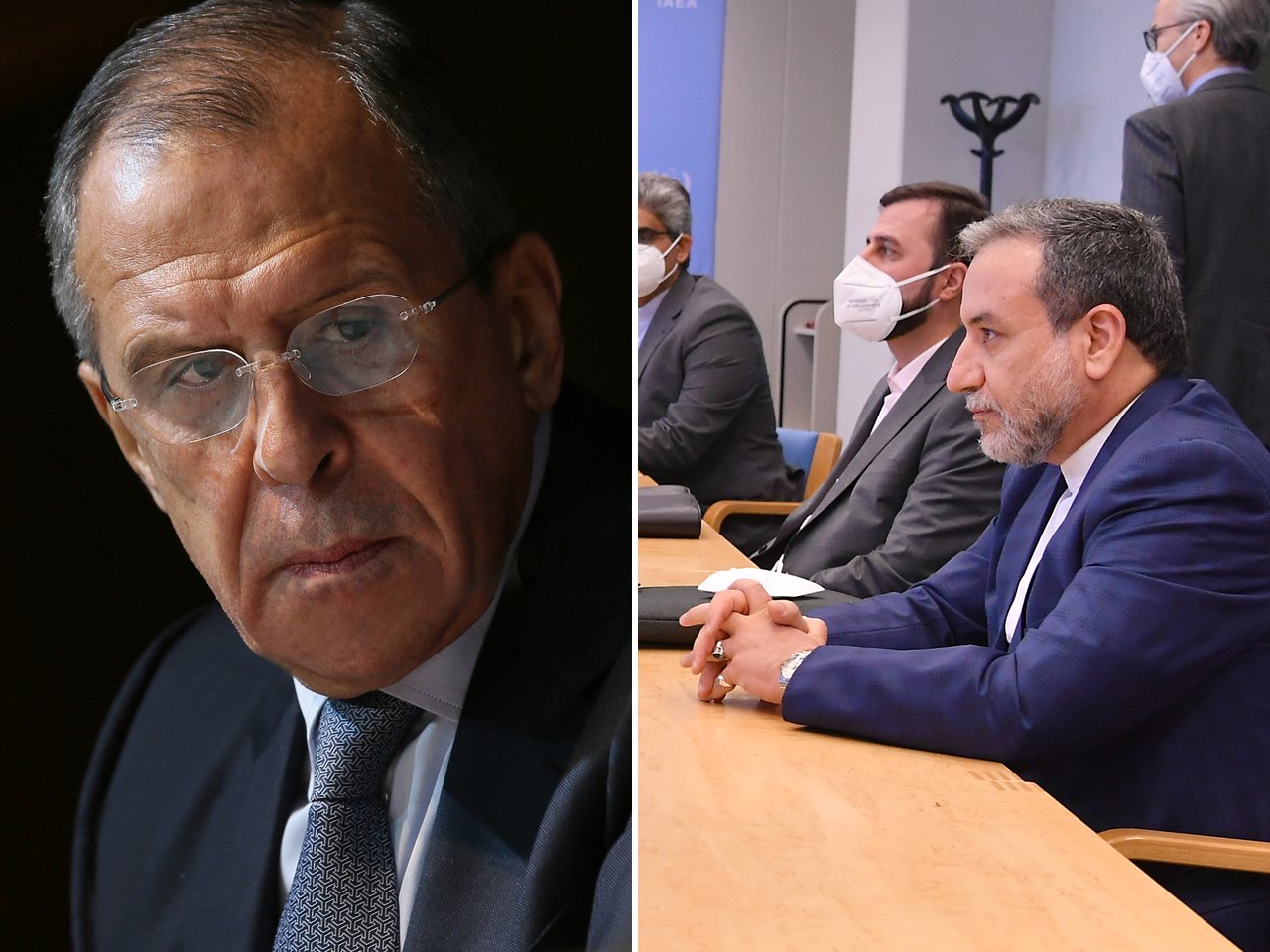
Russia’s foreign minister, Sergei Lavrov, stood beside his Iranian counterpart in Tehran on Monday and declared Moscow’s support for Iran in its war with the United States and Israel, offering to help broker a settlement while insisting that shipping through the Strait of Hormuz return to the way it was before the fighting began.
“I am confident that Iran’s cause, like Russia’s, is a just cause,” Lavrov told a joint press conference with Abbas Araghchi, on his first trip to Iran since the US and Israel launched strikes on the country on 28 February. He accused Washington and Israel of an unprovoked campaign and spoke of Russia’s “readiness to assist in finding mutually acceptable solutions” to what he called a man-made crisis.
Hormuz and oil
Lavrov said Moscow wanted transit through Hormuz restored to its pre-conflict state, and that freedom of navigation and guarantees against renewed military action would be essential to any deal. He welcomed Tehran’s stated willingness to pursue diplomacy.
Russia, a major oil exporter that has gained from high prices, said it wanted calm in the market. “We are not interested in price volatility, that prices will jump up or down,” Lavrov said, adding that Moscow wanted stability, including stable prices.
He also said that “Russia does not intend to abandon the implementation of agreements with Iran” in the economic and investment fields, and listed humanitarian help Moscow has sent, including medicines and regular food shipments.
Araghchi said the two sides agreed that “the Israeli regime’s dangerous expansionism must be stopped”, and that they would keep working together through BRICS, the Shanghai Cooperation Organisation and the Eurasian Economic Union. Lavrov said both countries supported the implementation of Security Council resolutions on Lebanon.
A pointed backdrop
The visit came a day after President Donald Trump wrote that “Russia is doing very little, if anything, to help the Islamic Republic of Iran,” a remark he used to defend his decision to hold off on new sanctions against Moscow while he pushes for a Russia-Ukraine peace deal.
That view is disputed. Hamidreza Azizi of the International Crisis Group said Russia had held back heavy weapons and stalled fighter jet deals, but had shared military intelligence and helped improve Iran’s Shahed drones. “Russian support has been there, and it has had a tangible impact,” he said. Several US officials have said Moscow passed Iran information on American forces, and Ukraine’s President Volodymyr Zelenskyy has said Kyiv has evidence of Russian intelligence sharing.
Lavrov flew in from Manama, where he had attended a Gulf Cooperation Council meeting. Gulf states have been urging Moscow to press Tehran to stop attacks on its neighbours. He was also due to meet President Masoud Pezeshkian.
What it means for India
India buys Russian oil and depends heavily on Gulf energy that passes through Hormuz. A Russian push for a return to pre-war shipping terms lines up with New Delhi’s interest in reopening the strait, but Monday’s talks produced no new agreement and no accepted mediation role for Moscow.