WorldMiddle East
US says it controls Hormuz as Iran's army chief insists the strait stays shut
Central Command says more than 19 million barrels of crude moved through in a day. Shipping monitors count only a fraction of pre-war traffic and hundreds of ships still at anchor.
Key points
- US Central Command said "the United States and regional partners control the strait."
- Iran's army chief Amir Hatami said Hormuz will stay closed until Iran's rights are respected.
- Monitors logged about 30 escorted transits a day, roughly a fifth of the pre-war average.
The United States and Iran traded flatly contradictory claims on Friday over who controls the Strait of Hormuz, as attacks on merchant ships kept traffic far below its pre-war level.
US Central Command rejected assertions by Iran’s Revolutionary Guards that Tehran holds the strait, that a Singapore-registered container ship sank after hitting a mine, and that hundreds of American service members had been killed in Jordan. “The United States and regional partners control the strait,” it said. Shipping was continuing, it added, and US forces and partners had helped move more than 19 million barrels of crude through Hormuz in a single day, with more than 40 merchant ships passing in 24 hours.
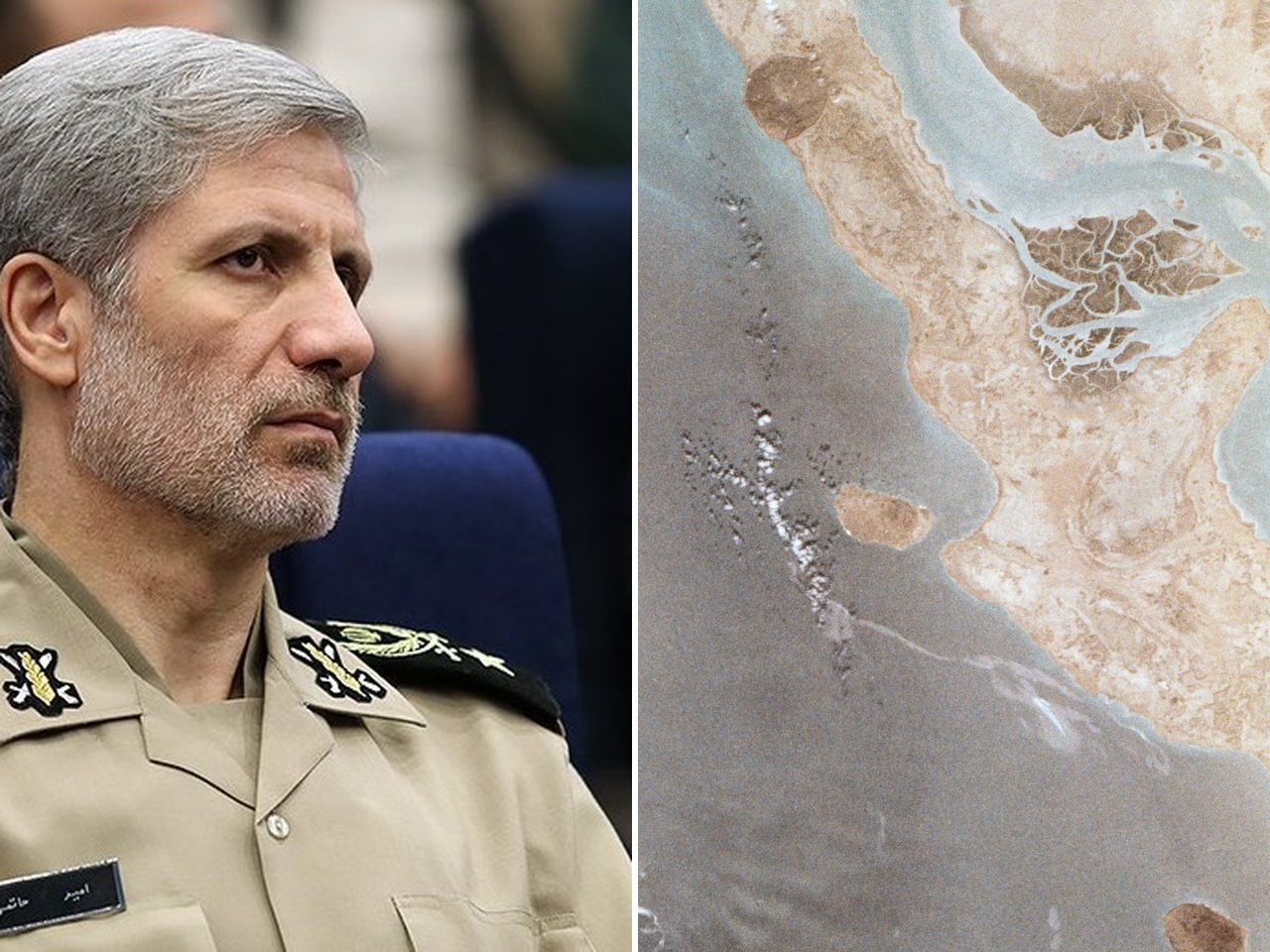
Iran’s army chief, Major General Amir Hatami, said the opposite. The strait “will remain closed until the enemy respects the rights of the Iranian people,” he said, claiming “full surveillance” of the waters by the army and the Guards.
Independent monitors paint a picture somewhere in between. The Joint Maritime Information Center recorded 121 US-escorted transits between 11 and 14 October, about 30 a day or roughly 22% of the pre-war average of 138. It found “no evidence” of mines but kept its threat level at “severe”. About 430 vessels remain at anchor, and the International Maritime Organization counts 24 seafarers killed since the war began.
Maritime officials said 12 vessels were attacked in and around the strait between 5 and 11 October, the fastest pace since the US imposed its naval blockade of Iranian ports. Two senior Iranian officials have said Tehran is using “new tactics” against shipping.