OpinionOur view
Indian seafarers should not have to carry the Hormuz risk alone
Two Indian sailors are missing and three Indian-crewed tankers have been hit in three days. Consent is not enough of a policy. The government owes crews hard guarantees, and it should use its standing in both Tehran and Washington.
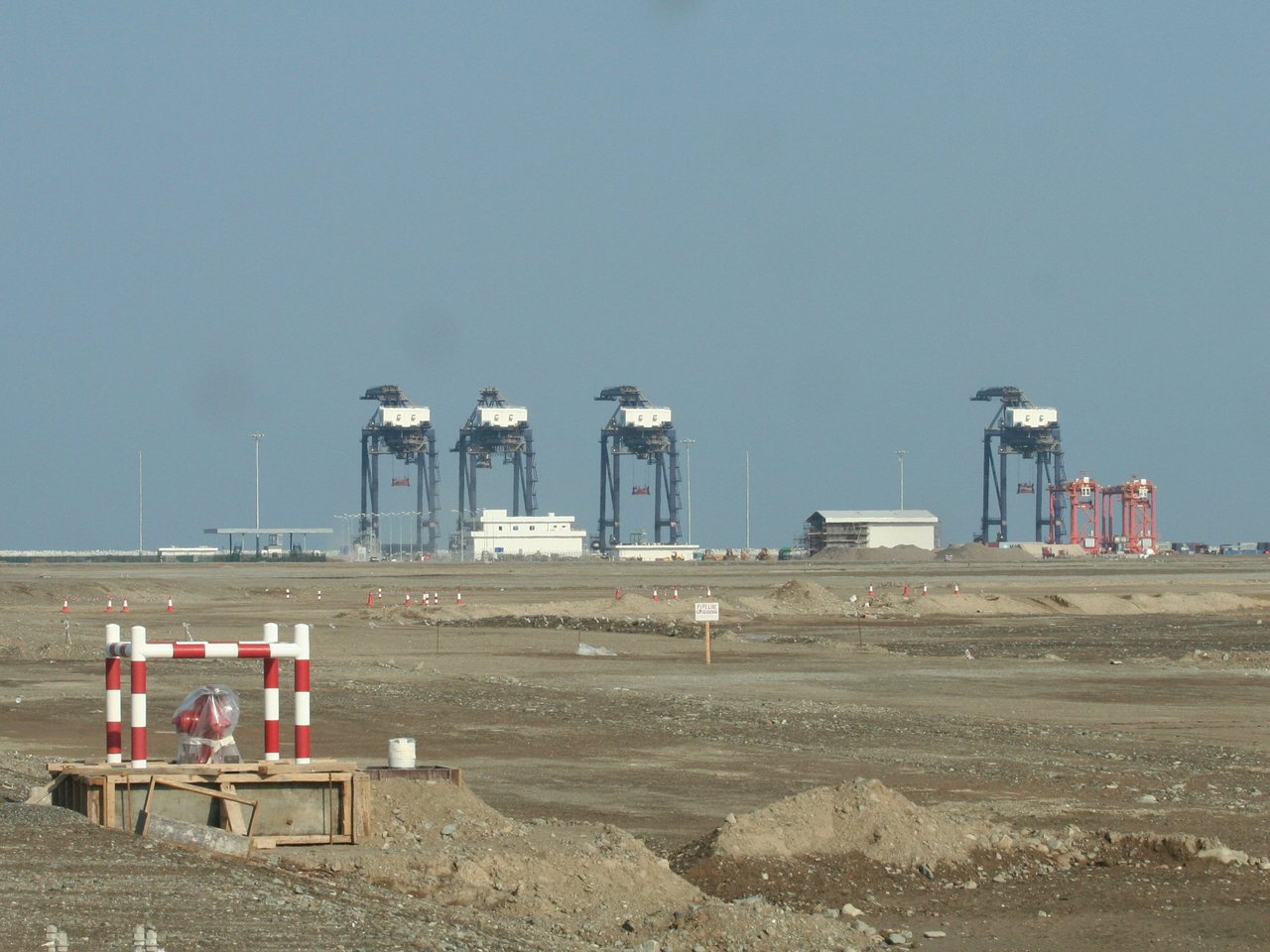
On Sunday a drone struck the tanker MT Petro Dolphin at anchor off Sohar, in Oman. Nine of its eleven Indian crew were rescued. Two, Bir Bahadur Yadav and Amit Singh, are still missing. The same day another tanker, MT Valthera, caught fire after being hit in the Strait of Hormuz with eleven Indians aboard. Two days earlier a drone hit a tanker at Sharjah with 22 Indians on it.
Those men were not soldiers. They were doing a job that keeps fuel moving into India and the world. The government’s response so far has been correct in tone and thin in substance.
Words are not protection
The Ministry of External Affairs has condemned the attacks and said that “attacks on commercial vessels, seafarers and civilian infrastructure must cease.” Shipping Minister Sarbananda Sonowal has said search and rescue is under way. The embassy in Muscat is in touch with Omani authorities. All of that is necessary.
But the main rule that governs whether an Indian sailor goes into the strait is an advisory from the Directorate General of Maritime Administration, issued on 5 August. It allows companies to send Indian crew on Hormuz voyages if they inform the regulator, obtain each seafarer’s consent and keep a heightened watch. In effect, the decision to accept the risk of a war zone has been handed to the individual.
Consent sounds fair. In practice a junior rating on a contract, far from home, with a family depending on his pay, is rarely in a position to refuse.
The case for the current rule
There is a serious argument the other way. In July, after an Indian seafarer was killed aboard MT Al Bahiyah, the regulator barred Indian crews from Hormuz voyages altogether. That protected lives, but it also cost Indian sailors work in a global industry where ship owners can hire from many countries. The ban was replaced within three weeks. A country that supplies crews to the world cannot simply pull them out of the busiest energy route without hurting the very people it wants to protect.
We accept that. The answer is not to bring back the ban. It is to make sure that consent, when it is given, comes with real guarantees.
What the government should do
First, the regulator should make specific terms a condition of every voyage it allows through the strait: war-risk pay for the days spent in the zone, insurance cover that pays out to families without delay, and the right to sign off and be repatriated at the company’s cost before entering it. A seafarer who says no should not lose his contract.
Second, the government should publish, every week, how many Indian crew are on ships in the Gulf, how many have been injured or are missing, and what is being done. Families should not have to learn the news from a union post on social media.
Third, India should use its unusual position. It speaks to Tehran, as the call between Iran’s security chief Mohsen Rezaei and National Security Adviser Ajit Doval on Monday showed, and it speaks to Washington. It launched a group on the safety of shipping and seafarers with Liberia at the UN last month. That standing should be spent on one clear demand: that crews, whatever the flag of their ship, are not targets.
The strait may stay shut for months while Iran and the United States argue over conditions. Indian sailors will keep sailing through it. The least they are owed is a government that shares the risk it is asking them to carry.
The reporting behind this view
- 2 missingIndian seafarers from MT Petro Dolphin, hit off Sohar on 11 October
- 44Indian crew aboard three tankers struck between 9 and 11 October
- 5 Augustdate of the advisory allowing Hormuz voyages with each seafarer's consent
The documents
- DGMA circular 47 of 2026: advisory on deployment of Indian seafarers through the Strait of HormuzDirectorate General of Maritime Administration, 5 August 2026