OpinionOur view
India is more exposed to the Gulf war than its markets suggest. It needs a plan for a long one
The Sensex rallied on Thursday on talk that the war will end soon. India's oil, fertiliser, freight and remittances all run through a region the IMF says will not return to its pre-war path. Policy should assume the strait stays shut for months.
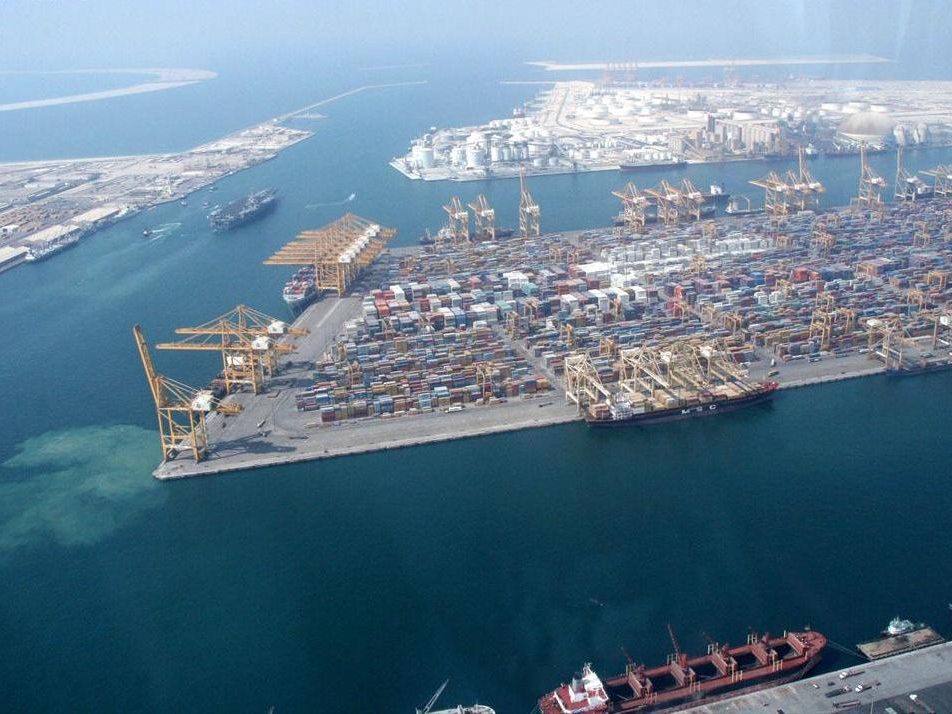
On Thursday the Sensex rose more than 1,500 points and the rupee firmed for a fifth day to 95.05 to the dollar. Oil had slipped after President Donald Trump told reporters that the Iran war “will end very soon”. Markets are entitled to hope. Governments are not.
The same day, two merchant ships lay on the seabed near the Strait of Hormuz, Iran’s army repeated that the waterway stays closed, and the International Monetary Fund said the Gulf economies would not go back to their pre-war path in the medium term. India’s policy should be built on the second set of facts.
Where India is exposed
The first channel is energy. Gulf oil exports recovered to near pre-war levels in September, but only 60% of them now pass through Hormuz, against 83% before the war. Freight and insurance, which used to be under 5% of a crude cargo’s value, now make up 20% to 25%. India has gone back to its traditional Gulf suppliers anyway, raising imports from West Asia by 67% in September, because their heavier crudes suit its refineries. That makes sense for refiners, and it also concentrates risk on one route.
The second is food. Before the war roughly a third of the world’s urea moved through the strait. A UN official warned this week that parts of Asia and Africa could face a food crisis if fertiliser does not move before the planting season. South Asian farmers already face soaring costs and short supply.
The third is people. In 2023-24 the Gulf countries sent 38% of India’s $118.7 billion in remittances. Behind that number are millions of workers and the families they support at home. An IMF forecast of a 3.3% contraction in Saudi Arabia is, for them, a forecast about jobs.
The fourth is the sailors, whose risk we have written about before.
The case for calm
There is a reasonable view that India is coping. Exports rose 23% in September, the trade deficit narrowed, and the RBI has acted on both the currency and inflation. Brent at around $104 is painful but not unprecedented. A government that panics can do more damage than a war at a distance.
We agree that calm is a virtue. But coping month to month is different from preparing for a war that could last into next year, and both the IMF and the shipping market are now pricing in a longer disruption.
What the government should do
First, treat fertiliser as a strategic stock. The Centre should say how many weeks of urea and DAP it holds, and build a buffer for the rabi season and next kharif from suppliers that do not depend on Hormuz.
Second, keep diversifying crude, even at some cost. A modest premium paid to keep Russian and American barrels in the mix is insurance against a shut strait.
Third, prepare for the diaspora. Missions in the Gulf should publish advisories, keep registration drives current and have evacuation plans ready, as they did in earlier crises. States that depend heavily on remittances should plan for returning workers.
Fourth, use India’s standing with both Tehran and Washington to back the UN-run fertiliser corridor, which the UN says could start within days of a deal. Food for the world’s poorest farmers is the easiest case for an exception to the war.
Hope is a market mood. A plan is what a government owes the people most exposed to this war.
The reporting behind this view
- 60%share of Gulf oil exports now crossing Hormuz, against 83% before the war
- 38%share of India's remittances that came from the Gulf countries in 2023-24
- -3.3%IMF forecast for Saudi Arabia's economy in 2026