OpinionOur view
After Raghopur, Bihar owes river villages boats that are counted, checked and safe
Thirteen children drowned in the Ganga on Tuesday night. Compensation is not a safety policy. The state knows where people cross the river, and it can make those crossings safer before the next flood season.
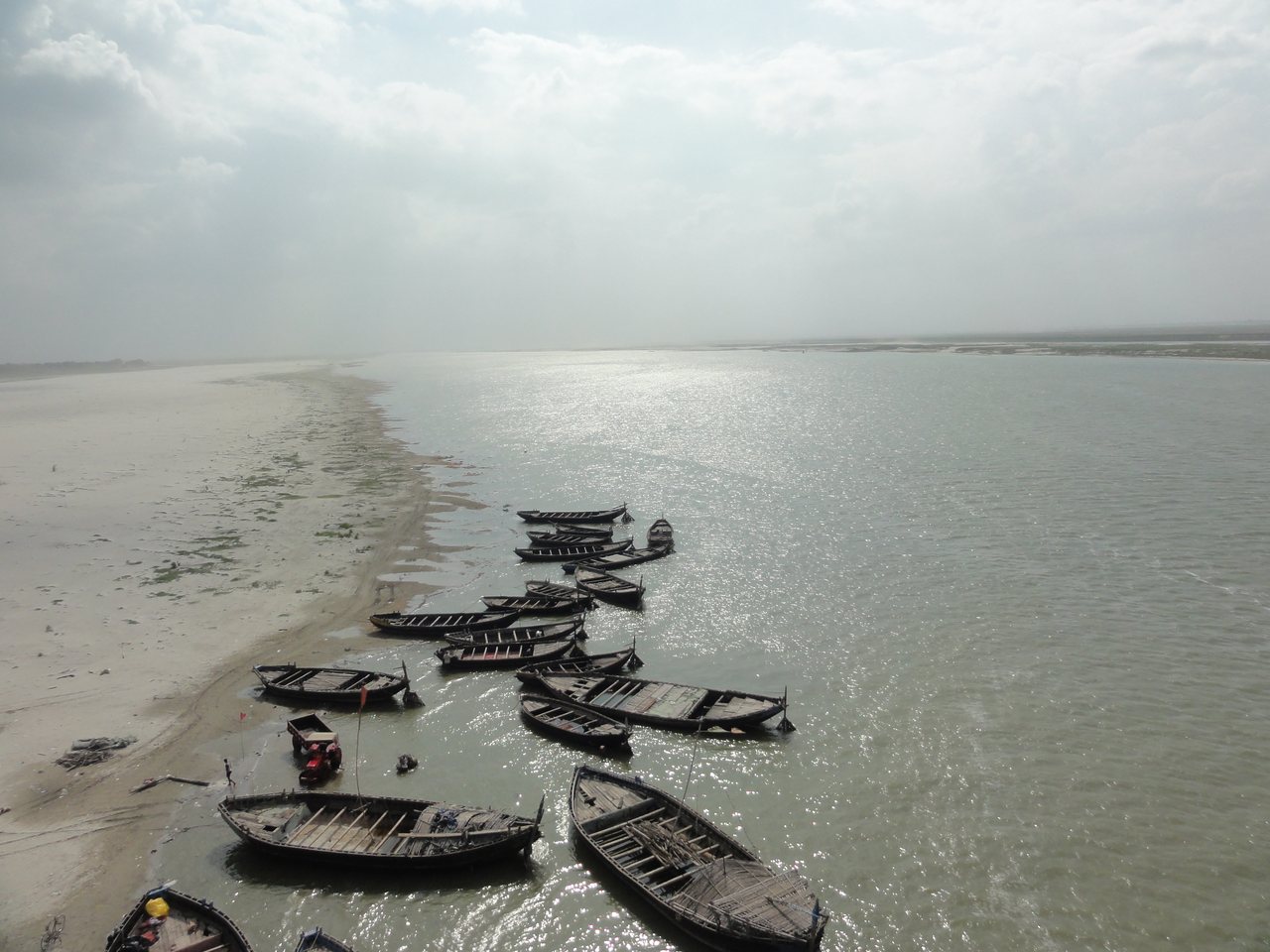
On Tuesday night a boat carrying villagers from Raghopur across the Ganga to a feast overturned near Rampur Shyamchand in Vaishali district. Seven people were pulled out. Thirteen children, none older than 15, were not. Nobody can yet say how many people were on board: local accounts say 15 to 20, the area’s MLA, Tejashwi Yadav, says about 30.
That last detail matters more than it seems. A boat that nobody counted is a boat nobody checked.
A familiar story
The state has responded in the usual way. Chief Minister Samrat Choudhary announced ₹4 lakh for each bereaved family, and the Prime Minister added ₹2 lakh. Disaster response teams and local divers searched through the night. All of that is right, and none of it would have kept a single child out of the water.
Bihar has been here before, many times. In January 2017, 24 people drowned when an overcrowded boat capsized in the Ganga near Patna on a day when crowds had gathered for a festival. It was carrying more than 60 people. It was reported then that over 30 of the roughly 50 boats working that stretch were unregistered, that none carried life jackets, and that a rule against sailing after sunset was routinely ignored. Just five weeks ago, on 8 September, a boat carrying 11 people capsized at Terasia Diara in the same district, after hitting a submerged boulder in floodwater. One young man died.
Raghopur is a river island. For the people of the diara, the country boat is not a pleasure trip. It is the bus to school, the market and the hospital.
The case against more rules
There is an honest argument that the state cannot police every ghat on hundreds of kilometres of river, and that tough rules would simply push boatmen out of business and leave villages cut off. Boatmen are poor, and many crossings are informal by nature.
We accept that a ban would do more harm than good. But the choice is not between banning boats and leaving them alone. Most crossings happen at known points, at known times, and the busiest days, festivals, feasts, market days and flood weeks, are predictable.
What the state should do
The national Inland Vessels Act of 2021 is built around motorised craft. For boats without engines, it largely leaves it to states to decide how they are classified and supervised. Bihar should use that room.
First, every boat that carries passengers for a fare or as a regular service, motorised or not, should be registered with the district, with its safe passenger load painted in large numbers on its side. A boatman who is registered can be trained, and a load that is painted can be enforced by anyone on the bank.
Second, life jackets should be kept at every busy ghat, paid for by the state, and children should not board without one.
Third, crossings after dark during the flood season should stop, unless there is an emergency. If that leaves villages without transport, the answer is a few more boats by day, not more risk by night.
Fourth, disaster response teams should be posted at the busiest crossings during floods and festivals, not called in after the boat has gone down.
Finally, the government should order an inquiry into Raghopur and publish its findings within a month: how many were aboard, whether the boat was licensed, and who was meant to be watching. The families have been given money. They are also owed an answer, and the next children to cross the river are owed a safer boat.
The reporting behind this view
- 13children drowned when the boat overturned at Raghopur on 13 October
- 24people killed in the Ganga boat capsize near Patna in January 2017
- 8 Septemberdate of an earlier capsize this flood season in Vaishali, at Terasia Diara
The documents
- The Inland Vessels Act, 2021India Code, Legislative Department, 13 August 2021