OpinionOur view
Delhi must give protesters a place within reach, and stop moving it
Jantar Mantar has been struck off the list, Central Park is shut, and prohibitory orders cover Connaught Place. Delhi needs protest sites people can actually reach, rules that are written down, and protesters who keep the peace.
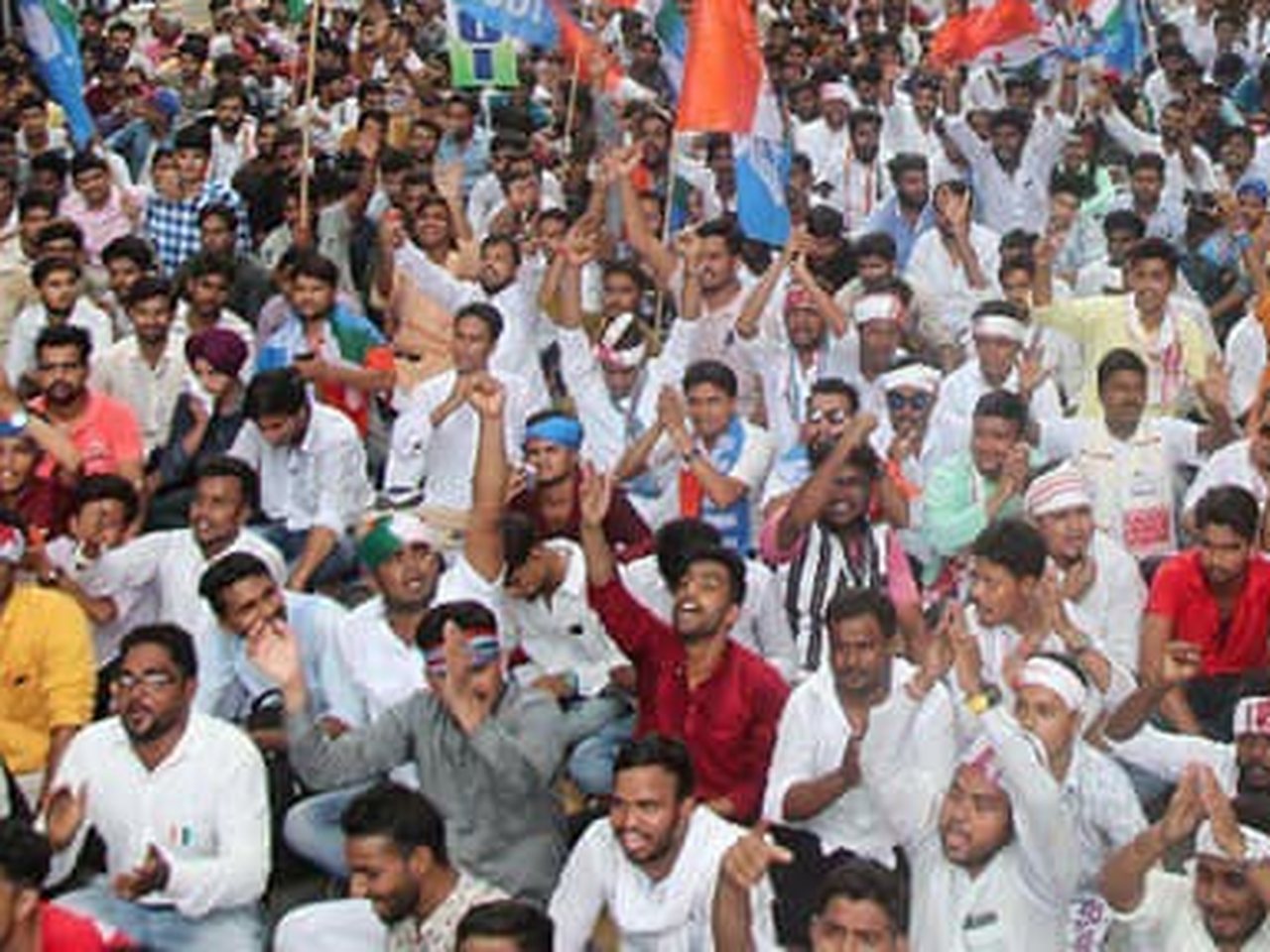
On Friday afternoon the New Delhi Municipal Council shut Central Park in Connaught Place for two days, citing “administrative reasons”. Prohibitory orders under Section 163 of the Bharatiya Nagarik Suraksha Sanhita were already in force across the area. Traffic curbs began at 3 pm. The Cockroach Janta Party had asked people to gather there at 5 pm with the national flag.
The police say Connaught Place is not a protest site, and they are right. Yet in Delhi this month it has become hard to say where a protest site is.
A list that keeps shrinking
On 11 October Delhi Police removed Jantar Mantar, the capital’s best-known place of protest for decades, from its list of designated sites. In its place they named Ramlila Maidan, Burari Ground and CBD Ground. Additional Solicitor General Chetan Sharma told the courts that this followed the Supreme Court’s own suggestion that suitable venues be found. “The Court said appropriate sites need to be identified and designated and we have precisely done that,” he said.
The timing tells its own story. The order came the day after the CJP’s march on 10 October, when entry was restricted at 45 of Delhi’s 303 Metro stations and large numbers of people were detained. It came in the middle of a dispute with one group of protesters, and it moved protest away from the street where Parliament and the ministries sit. Burari Ground lies on the city’s northern edge.
A petition now before the Supreme Court, filed by advocate Swaty Singh, puts the principle well: “The right to protest is not merely a right to assemble at a designated physical space.” In 2018 the court held that a blanket ban on protests at Jantar Mantar and the Boat Club could not stand.
The fair objection
The other side has a real case. Connaught Place is a market as well as a landmark. A vendor at Palika Bazar went to the Delhi High Court this week fearing for his festival trade, and the government spoke for about 15 lakh traders whose business suffers when the area is shut down. Earlier marches this month saw stone-pelting and injured police. No city can let every protest go wherever it likes, whenever it likes.
That is exactly why designated sites matter. They are the bargain a city strikes: protesters accept limits on place and time, and in return the state guarantees a place where they will be seen and heard. When the state redraws the map in the middle of a quarrel, the bargain stops meaning anything, and people drift back to the streets.
What Delhi should do
First, restore Jantar Mantar as a designated site, with conditions on numbers, hours and noise. A protest site within sight of power is part of what makes a capital a democratic one.
Second, publish a standing list of protest venues, with a rule that it cannot be changed without notice and public reasons, and never in response to a single group.
Third, decide every application for permission in writing, within a fixed period, with reasons for any refusal. If the police are willing, as they indicated on Friday, to let a small group carry the flag and sing the anthem at an alternative location, they should name it in advance.
Fourth, keep Section 163 orders narrow in place and time, and keep Metro stations open.
The CJP has obligations too. It should apply for permission, accept the venue it is given, keep to the hours, and make clear that anyone who turns violent does not march in its name. The right it claims depends on that.
A democracy does not have to put up with chaos. It does have to leave people somewhere to go.
The reporting behind this view
- 3grounds named by Delhi Police on 11 October in place of Jantar Mantar: Ramlila Maidan, Burari Ground and CBD Ground
- 45 of 303Delhi Metro stations with entry restricted on 10 October, per the DMRC's account to the Supreme Court
- 2 daysCentral Park in Connaught Place closed to the public, on 16 and 17 October