WorldUS
Trump says US is in denuclearisation talks with Russia and China
The US president said China was racing to catch up with the two biggest nuclear powers and could do so within five years, but gave no details of the talks.
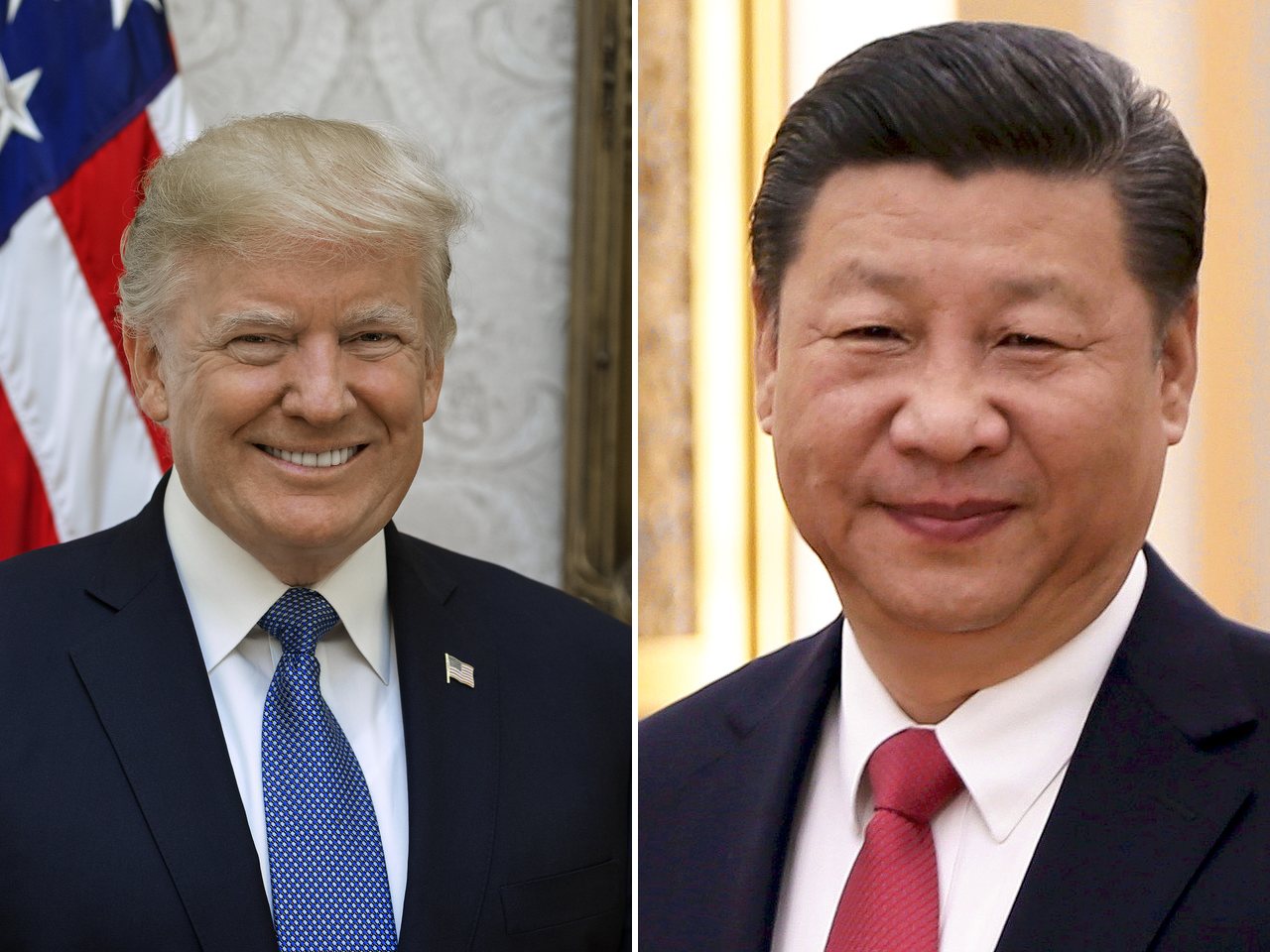
Key points
- Trump said Washington is talking to both Russia and China about denuclearisation.
- He said China could catch up within five years.
- China has about 620 warheads; the US and Russia each have more than 4,000.
The United States is holding talks with Russia and China about nuclear disarmament, President Donald Trump has said, while warning that Beijing is building up its arsenal fast.
Speaking to the US broadcaster Newsmax on Thursday, Trump said China, which has far fewer warheads than the US or Russia, would “catch up” within five years. He said Washington was discussing a path to denuclearisation with both.
“The whole thing is a shame because I’d love to denuclearise if possible,” Trump said. “We’re actually talking to Russia about that, and we’re talking to China about that denuclearisation.”
He added that China did not seem willing to disarm, but that talks had continued. Newsmax reported that Trump had spoken to Chinese President Xi Jinping on the subject. No further details were given about talks with either country.
The numbers
China has about 620 nuclear warheads, according to the Stockholm International Peace Research Institute (SIPRI), having expanded its arsenal in the past year. The US and Russia each have more than 4,000, and between them hold an estimated 86% of the world’s nuclear weapons. Russia has the largest stockpile.
Trump’s remarks come after the expiry of the Strategic Arms Reduction Treaty, an arms control agreement that limited the US and Russian arsenals. A month after it lapsed, French President Emmanuel Macron announced a Forward Deterrence Initiative, as Russia’s nuclear threats during the war in Ukraine unsettled Europe.
Gareth Evans, a former Australian foreign minister, said the world had stopped paying attention. “[The] world ... has become alarmingly complacent about the risks of nuclear war with every major nuclear arms control agreement dead, dying or on life support and the longstanding taboo against threat or use eroding,” he said.