WorldUS Politics
Trump unveils $25 million fraud tip-off scheme, tells questioning reporter 'you better be careful'
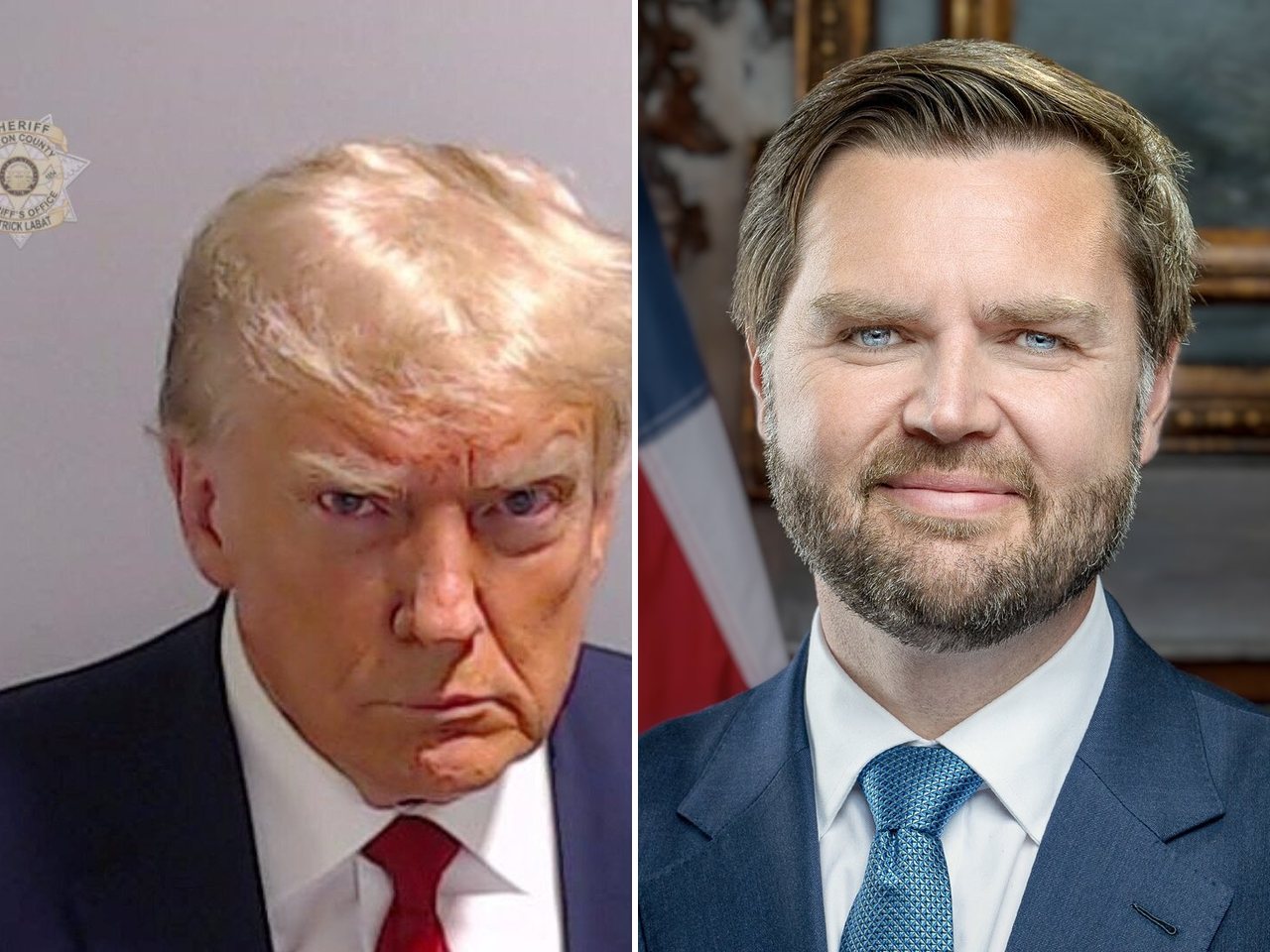
The President and Vice President JD Vance launched a Justice Department reward programme for verified fraud tips in the Oval Office on Tuesday, then turned on a journalist who asked why the payouts were so small.
Key points
- Trump and Vance announced a $25 million Fraud Whistle Blower Incentive Program run with the Justice Department.
- Tipsters whose verified information leads to a conviction or major enforcement action can get up to $30,000.
- Trump told The Independent's Andrew Feinberg "you better be careful" after he questioned the 1% commission.
President Donald Trump and Vice President JD Vance on Tuesday launched a $25 million programme to reward Americans who report fraud against the government, then spent part of the Oval Office event in a sharp exchange with a reporter who questioned how generous it really was.
The Fraud Whistle Blower Incentive Program, run with the Department of Justice, will pay up to $30,000 to citizens whose verified tips lead to a conviction or a major enforcement action.
Andrew Feinberg, a White House correspondent for The Independent, asked why the scheme offered a 1% commission when the False Claims Act, the long-standing law that rewards whistleblowers in fraud cases against the government, allows awards of 10% to 25%.
Trump did not answer the question. “I don’t know who the hell you are, but you better be careful,” he told Feinberg. Vance called the question “fundamentally dishonest”.
A second clash
When Feinberg later tried to ask about Trump’s golf courses, the President cut him off. “Quiet,” Trump said, before asking him: “Are you a sick person?” Feinberg replied: “Not that I know of.” His question was never completed.
Trump’s Rapid Response team then identified Feinberg by name on X in a post attacking him.
The exchange was the latest in a long line of confrontations between Trump and the reporters who cover him. He routinely dismisses unfavourable coverage as “fake news” and says much of the press is biased against him.
The row came two weeks before the 3 November midterm elections.