WorldEurope
Vučić concedes defeat as Serbia's Student List heads for outright majority
Projections give the movement born of the Novi Sad canopy disaster about 52% and 139 of 250 seats, ending 14 years of rule by Aleksandar Vučić's Progressive Party on a record turnout.
Key points
- Aleksandar Vučić said "It is clear that we have lost these elections" at his party headquarters on Sunday night.
- A CeSID-Ipsos projection gave the Student List 52% and 139 seats, against 39.3% and 104 for Vučić's bloc.
- Turnout was on course to be the highest since Yugoslavia broke up in 1992.
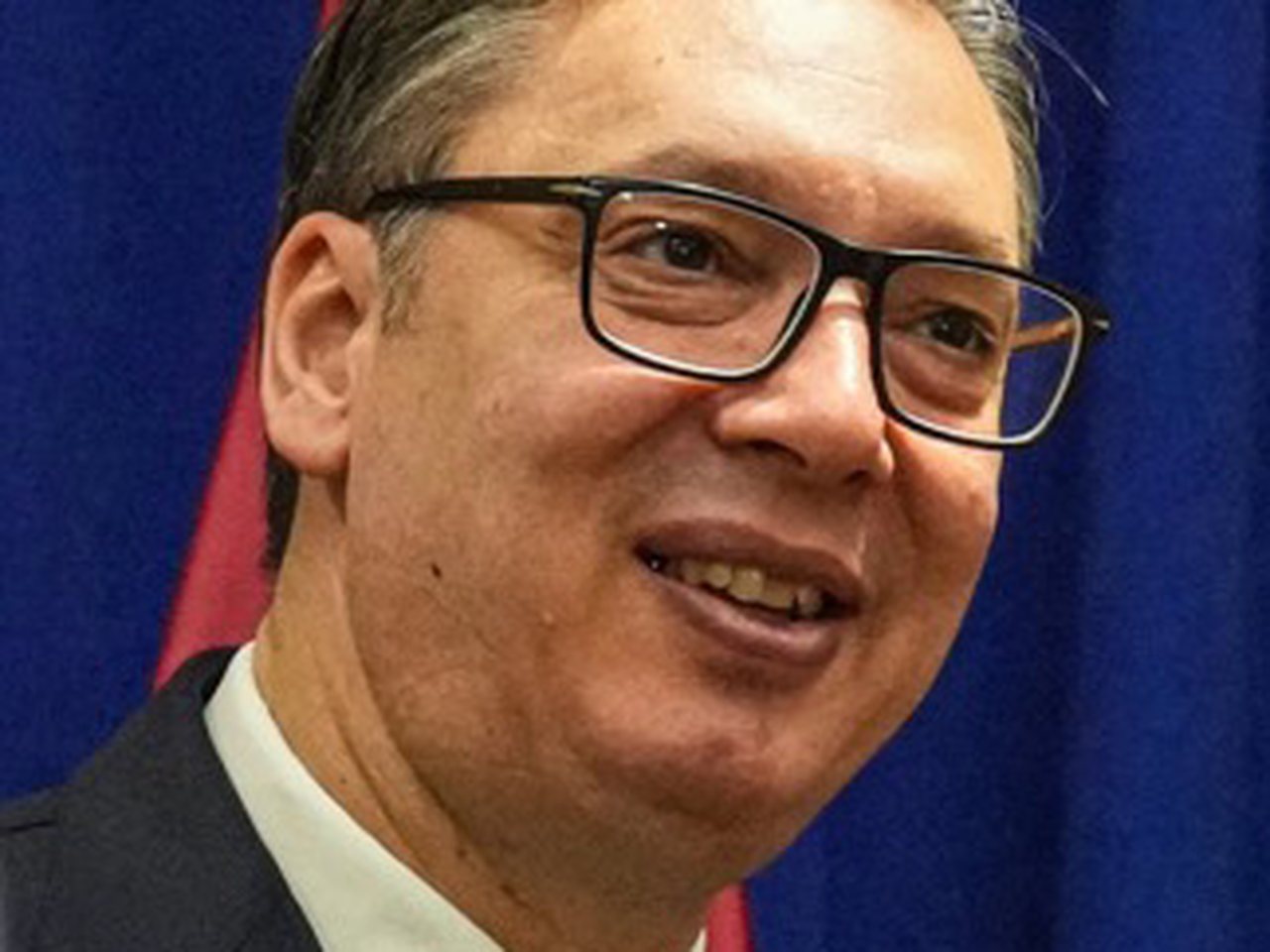
Aleksandar Vučić conceded defeat in Serbia’s snap parliamentary election on Sunday night, bringing down the curtain on 14 years of rule by his Serbian Progressive Party (SNS) after a student-led movement that grew out of a railway disaster won what projections showed was an outright majority.
“It is clear that we have lost these elections,” Vučić told supporters at the party’s headquarters in Belgrade. He said the Student List would win between 135 and 140 of the 250 seats in the National Assembly, against about 105 for his own electoral list. A majority needs 126.
Projections by the monitoring group CeSID and the pollster Ipsos, based on 56% of their sample, gave the Student List 52% of the vote and 139 seats. Vučić’s United Serbia bloc had 39.3% and 104 seats. The remaining seven seats were projected to go to minority parties, three of them to the Alliance of Vojvodina Hungarians. An early partial count by the election commission, from about 200 polling stations, had shown Vučić’s bloc ahead, but the commission had processed only a small share of the vote at that point.
Cheers at the students’ headquarters
The announcement was greeted with cheers and tears at the Student List’s headquarters. “Preliminary results show that students are convincingly leading in almost all polling stations,” said Radomir Saicic, one of its parliamentary candidates. “Students won, and with them also a hope that Serbia can be a country of justice, freedom and dignity.”
About 6.5 million people were eligible to vote, with 18 lists on the ballot. Turnout reached 64.9% by 6 pm, and CeSID and Ipsos estimated 67.6% by 7 pm, putting Serbia on course for its highest turnout since Yugoslavia broke up in 1992. In 2023 it was 58.77%.
The day was not calm everywhere. The independent watchdog CRTA said it recorded pressure on voters or polling staff at almost a third of the 500 stations it monitored, and failures to protect the secrecy of the ballot. At one station in Leskovac, voting was extended to 11 pm after a violent confrontation interrupted polling. Riot police were deployed near the election commission in Belgrade.
From a station canopy to parliament
The movement began after the concrete canopy of the railway station in Novi Sad collapsed on 1 November 2024, killing 16 people. Protests over the disaster grew into a broad campaign against alleged corruption and repression, which Vučić and the SNS deny.
Vučić, who has dominated Serbian politics since 2012 as prime minister and then president, resigned the presidency in September to lead his party into the early election as its candidate for prime minister. The Student List fielded academics, doctors, teachers and other professionals chosen through student assemblies, many with no political experience. Some established opposition parties stood aside to back it.
Its programme promises to restore judicial independence, confiscate illegally acquired assets and open up public procurement. On foreign policy it has said it will keep Serbia’s traditional partnership with Russia and its position on Kosovo, and it stops short of an explicit commitment to joining the European Union.
What happens next
Final official results are still to come. Under Serbian law the new parliament must meet within 30 days of the final results, and a government must be elected within 90 days after that. A separate presidential election is also due following Vučić’s resignation.