OpinionOur view
A road accident, a killing, nine homes burnt: Muzaffarpur shows how fast a crowd becomes a mob
A young biker who hit a child was beaten to death, and Dalit families in his village then lost their homes to arson. Bihar has the laws and the Supreme Court's 2018 rules to stop this. What it needs is police who act in the first hour, not the second day.
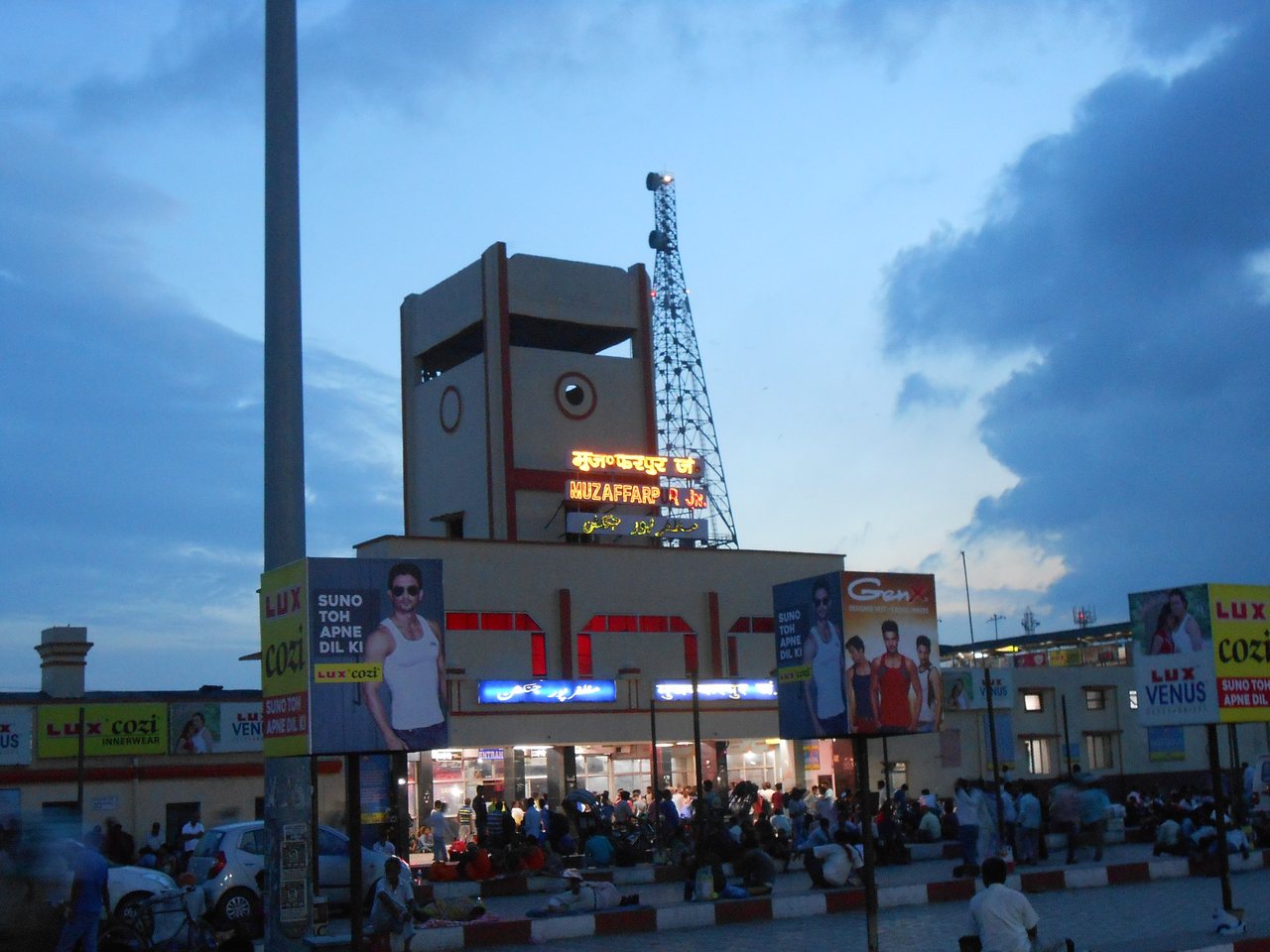
On Saturday evening a motorcycle hit a child near Chainpur Chowk in Bihar’s Muzaffarpur district. The rider, 20-year-old Navneet Kumar, was then set upon by about 15 people. His family says he was beaten with sticks and strangled with a belt. He was declared dead in hospital.
The violence did not stop there. When news of his death reached his village, Mohammadpur Khaje, a mob set fire to nine houses belonging to Dalit families. Police had to rush in extra forces to restore calm.
Two crimes, then, in one evening, and a pattern India knows too well. An accident becomes an excuse for a crowd to deliver its own punishment. A killing becomes an excuse for another crowd to punish people who had nothing to do with it.
What we do not yet know
The police have not said how badly the child was hurt, who the attackers were, who set the houses alight or why those homes were chosen. No arrests had been reported by Sunday. It would be wrong to fill those gaps with assumptions, and this newspaper will not.
But nothing that is still unknown changes the basic wrong. A road accident is a matter for the police and the courts. Even if the rider was at fault, the law sets the penalty, and it is not death on the roadside. Nor can grief over that death justify burning the homes of families who were nowhere near Chainpur Chowk.
The law already exists
In 2018, in Tehseen Poonawalla v Union of India, the Supreme Court told every state to act against mob violence. It asked for a nodal officer in each district to track and prevent it, fast-track trials, compensation for victims, and action against officers who fail to stop it. The Bharatiya Nyaya Sanhita now treats murder by a group of five or more on grounds such as caste or community as a distinct and grave offence.
Laws and guidelines do not, by themselves, stop a crowd in the first hour. That is the police’s job, and in Muzaffarpur it failed twice in one evening: once at the crossroads and again in the village, where the danger of retaliation should have been obvious the moment the death was known.
What Bihar should do
First, arrest and charge those responsible for both crimes, and say publicly what the charges are. Silence after mob violence is read as tolerance.
Second, compensate the nine families at once and rebuild their homes, without waiting for the investigation to end.
Third, the district’s nodal officer under the 2018 guidelines should explain what was done between the killing and the arson, and why the village was not protected before the houses were set alight.
Fourth, the state government should publish a yearly report on mob violence: how many cases, how many charged, how many convicted, how much compensation paid. The Supreme Court asked for accountability; a public record is the simplest form of it.
A crowd that gathers after an accident can help: call an ambulance, hold the driver for the police, keep the road clear. When it decides it is also the judge, it becomes a mob. The state’s duty is to make sure that change never pays.