OpinionOur view
Bandipur's empty posts are a warning. Tigers cannot be protected by a forest force that exists only on paper
Only 12 of 206 forest watcher posts are filled at one of India's finest tiger reserves. Karnataka, and every state with a reserve, must recruit, train and pay the people who walk the forest before poachers notice the gap.
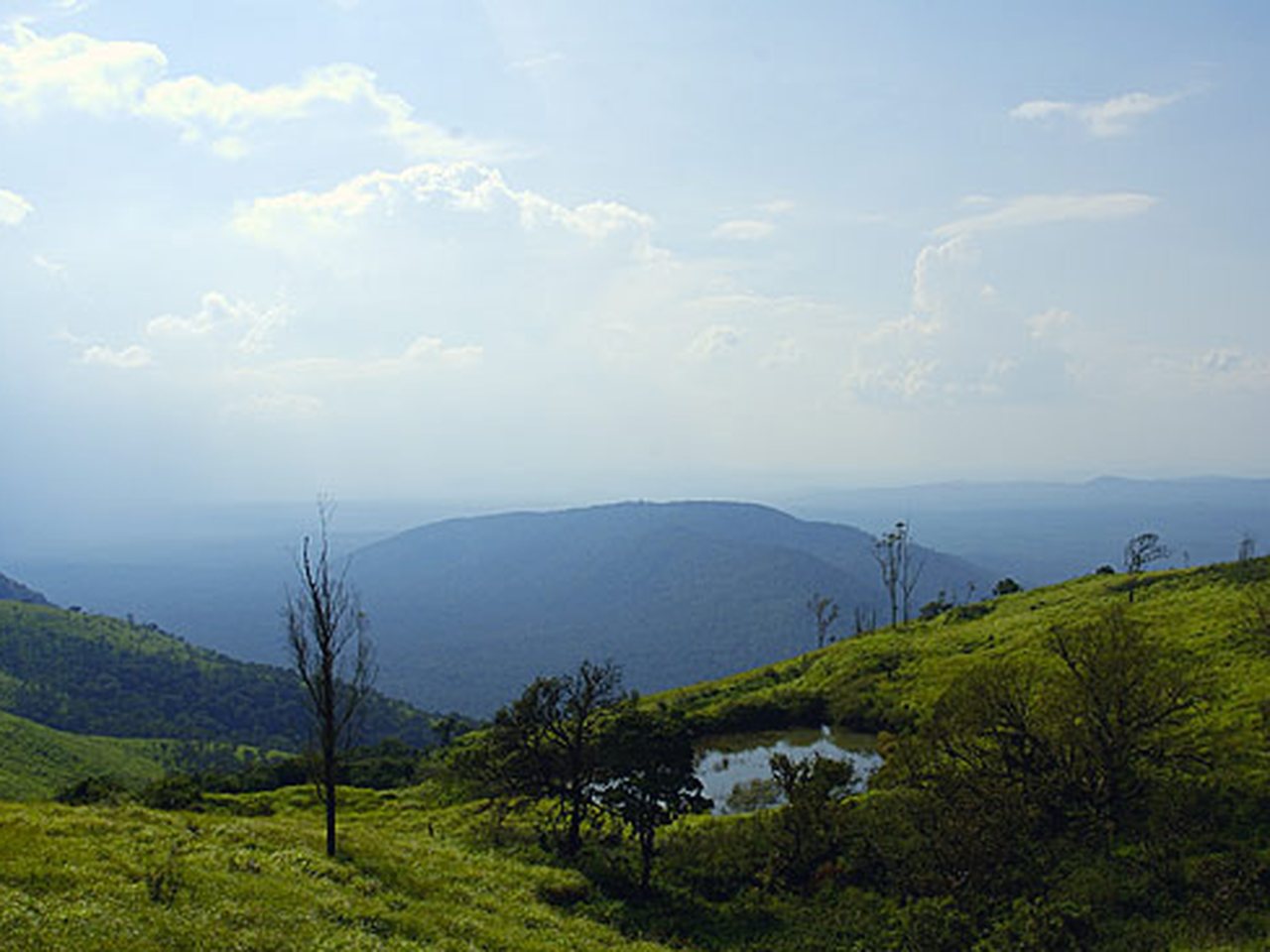
Bandipur is one of the places India points to when it wants to show the world that tiger conservation works. The 2022 count put the reserve’s tigers at about 150, part of Karnataka’s 563. That success now rests on a remarkably thin line of people.
A review by the National Tiger Conservation Authority has found that 402 of Bandipur’s 630 sanctioned posts are empty. Of the 206 forest watchers it is supposed to have, 12 are in place. More than half the beat forester posts are vacant. The Special Tiger Protection Force, raised to guard against poachers, is working at about a sixth of its strength. The authority wants the state to “take immediate steps” to fill those posts. It is right, and Karnataka should treat this as an emergency.
The people who matter most
Watchers and beat foresters are not desk staff. They walk the forest beats every day, check for snares, track animals, put out fires in the dry months and are often the first to reach a village when an elephant or tiger strays into it. Camera traps and drones help, but they do not arrest anyone. A reserve with too few people on foot is a reserve where a poacher can work unseen for weeks.
Bandipur is not an isolated case. Last year a senior Karnataka forest officer put vacancies across the department at about half of all frontline posts, including at least 60% of watcher posts statewide. The government had approved 540 forest guard posts, which officials themselves described as too few, and the minister’s advice was to manage with outsourced labour.
The fair objection
States will say recruitment takes time, budgets are tight and new rules on reservation have slowed appointments. All of that is real. Forest posts are hard to fill in remote places, and young recruits often leave for better jobs.
But the answer cannot be to fill the gap with casual hands and hope. In Assam’s reserves, according to the tiger authority’s own evaluations, up to half the frontline staff in some parks are home guards or daily workers, paid ₹6,000 to ₹9,000 a month, often late, without the legal power to book an offence. In August 2024 one of them, home guard Dhanmani Deka, was killed by a tiger at Orang. A casual colleague described patrolling with “a stick and a khukri”.
What states should do
First, every state with a tiger reserve should publish its frontline vacancies each year, reserve by reserve, so that the shortfall cannot hide inside a department-wide average.
Second, recruitment should run on a fixed annual calendar rather than in occasional drives announced after an alarm, with posts in the Special Tiger Protection Force given priority.
Third, those already doing the work on contract should be paid properly and on time, given uniforms, field kit and insurance, and offered a fair route into permanent posts.
Fourth, the Centre should tie part of its funding for tiger reserves to staffing levels, so that a state cannot claim the credit for rising tiger numbers while leaving the forest unguarded.
The NTCA has also asked Karnataka to move tourist night stays out of Bandipur’s core, as the Supreme Court has directed. That should happen too. But no rule protects a tiger if there is nobody in the forest to enforce it.
The reporting behind this view
- 402 of 630sanctioned posts vacant at Bandipur Tiger Reserve, per the NTCA review
- 12 of 206forest watcher posts filled at Bandipur
- 563tigers counted in Karnataka in the 2022 national estimate