Science & TechSpace
China adds nine SatNet satellites from Wenchang as ISRO's NVS-03 heads a busy launch week
A Long March 8A put another batch of China's SatNet broadband constellation into orbit on Sunday. India's navigation satellite is due to fly on a GSLV on Friday.
Key points
- A Long March 8A launched nine SatNet low Earth orbit communication satellites from Wenchang on Sunday.
- SpaceX has two Starlink launches lined up from Vandenberg, on 27 and 30 October.
- ISRO's GSLV Mk II is set to carry the NVS-03 navigation satellite from Sriharikota on 30 October.
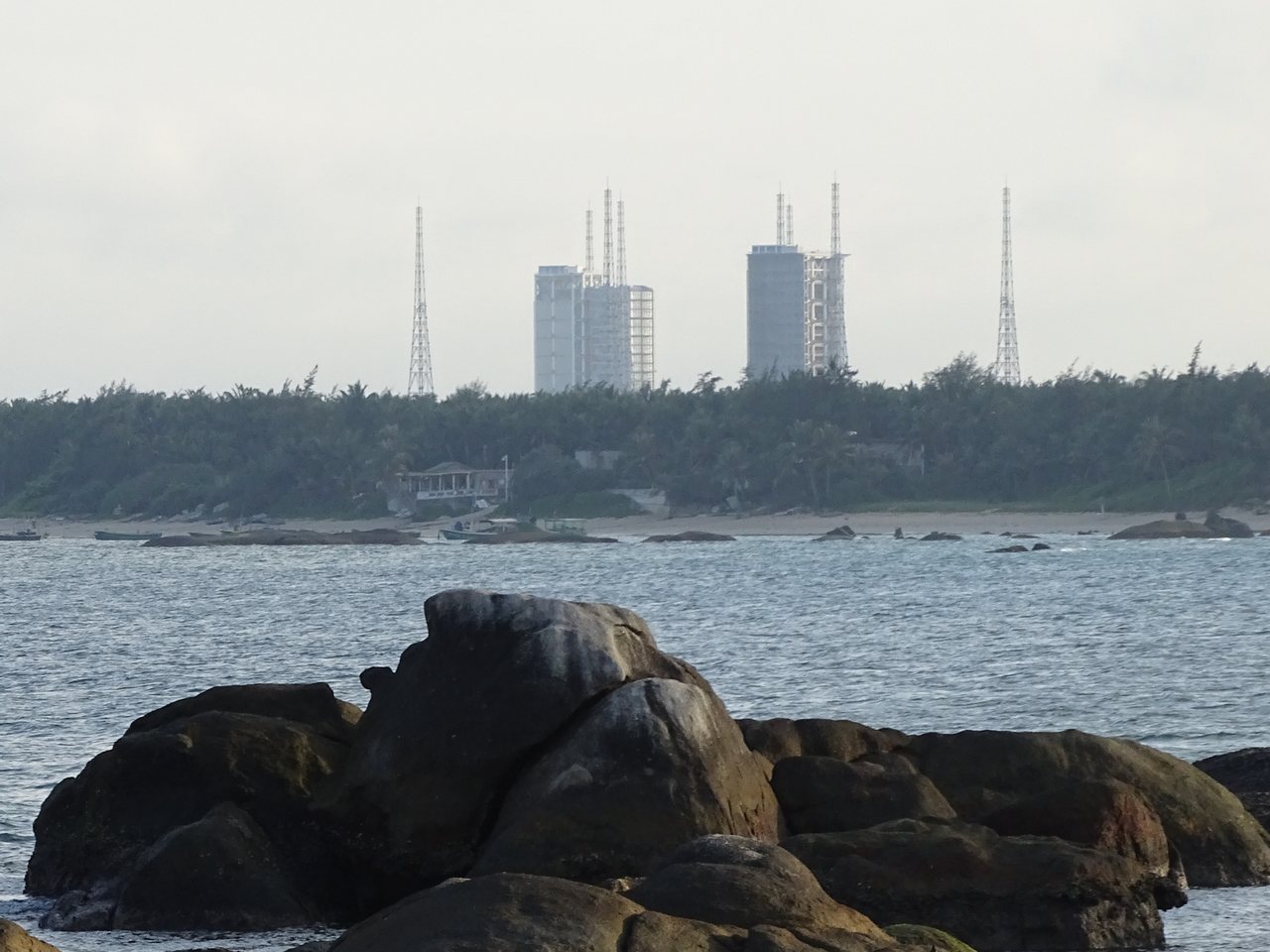
China put nine more satellites of its SatNet broadband constellation into low Earth orbit on Sunday, launching them on a Long March 8A rocket from the Wenchang Space Launch Site on Hainan island.
The rocket lifted off at 7:33 am IST with the batch listed as SatNet LEO Group 28, and the launch was reported a success. It came two days after China flew two other missions within hours of each other on Friday, a Long March 6A with the Yaogan 50-03 satellite and a Long March 4B carrying a cluster of Yaogan satellites.
SpaceX’s Starlink remains by far the largest network in low orbit. Of the 15,878 active satellites being tracked on Saturday, 10,061 were operational Starlinks, according to the tracker Orbital Radar. In all, it counted 31,849 catalogued objects in orbit and 10 people in space.
The week ahead
SpaceX is due to launch 27 more Starlink satellites from Vandenberg in California on Tuesday, 27 October, and another batch of 27 on 30 October.
For India, the big event is on Friday. ISRO’s GSLV Mk II is set to carry the NVS-03 navigation satellite from the Satish Dhawan Space Centre at Sriharikota on 30 October. The launch matters for NavIC, India’s own satellite navigation system, which has been short of the four working satellites it needs for standalone positioning since NVS-02 failed to reach its orbit in January 2025. The exact launch time has not yet been confirmed.