StatesDelhi
Delhi's air stays 'poor' for a third day at AQI 222, Greater Noida hits 'very poor'
Pusa and Jahangirpuri edged towards the 'very poor' mark on Friday as traffic police planned to stop polluting buses at Delhi's borders. Forecasters expect no relief before Sunday.
Key points
- Delhi's AQI was 223 at 8 am and 222 around midday on Friday, the third 'poor' day running.
- Greater Noida, at 357, was the most polluted city in the country.
- Air quality is forecast to stay 'poor' through Sunday, 25 October.
Delhi woke up to a third straight day of ‘poor’ air on Friday. The Central Pollution Control Board (CPCB) put the city’s average air quality index at 223 at 8 am, 225 an hour later and 222 around midday, with 57 of its 59 monitoring stations reporting.
That is a touch better than Thursday morning’s 226, but several stations in the north, west and centre of the city were close to the ‘very poor’ threshold of 301. Pusa (IITM) was the worst at 289, followed by Jahangirpuri at 282, Pusa (DPCC) at 280, Rohini at 278, R K Puram at 276 and DTU at 274. Punjabi Bagh and Narela were at 273, Siri Fort and Sonia Vihar at 272 and Mundka at 271.
On Thursday Jahangirpuri (309) and Chandni Chowk (307) had slipped into ‘very poor’.
A few areas on the edges of the city were cleaner. Tikri Kalan (115), Badarpur (123), Ghoga (137), Chhawla (139) and Maidan Garhi (142) were in the ‘moderate’ band, as was the IMD station at Lodhi Road (145).
Worse in the suburbs
The National Capital Region was mixed. Greater Noida, at 357, was in the ‘very poor’ category and the most polluted city in India on Friday. Ghaziabad recorded 225 and Noida 208, while Gurugram, at 198, was just inside ‘moderate’. Singrauli in Madhya Pradesh, at 312, was the second worst in the country.
Other big cities were far cleaner: Mumbai was at 188, Kolkata 169, Ahmedabad 160, Pune 155, Hyderabad 148, Bengaluru 76 and Chennai 66.
Why the air is bad
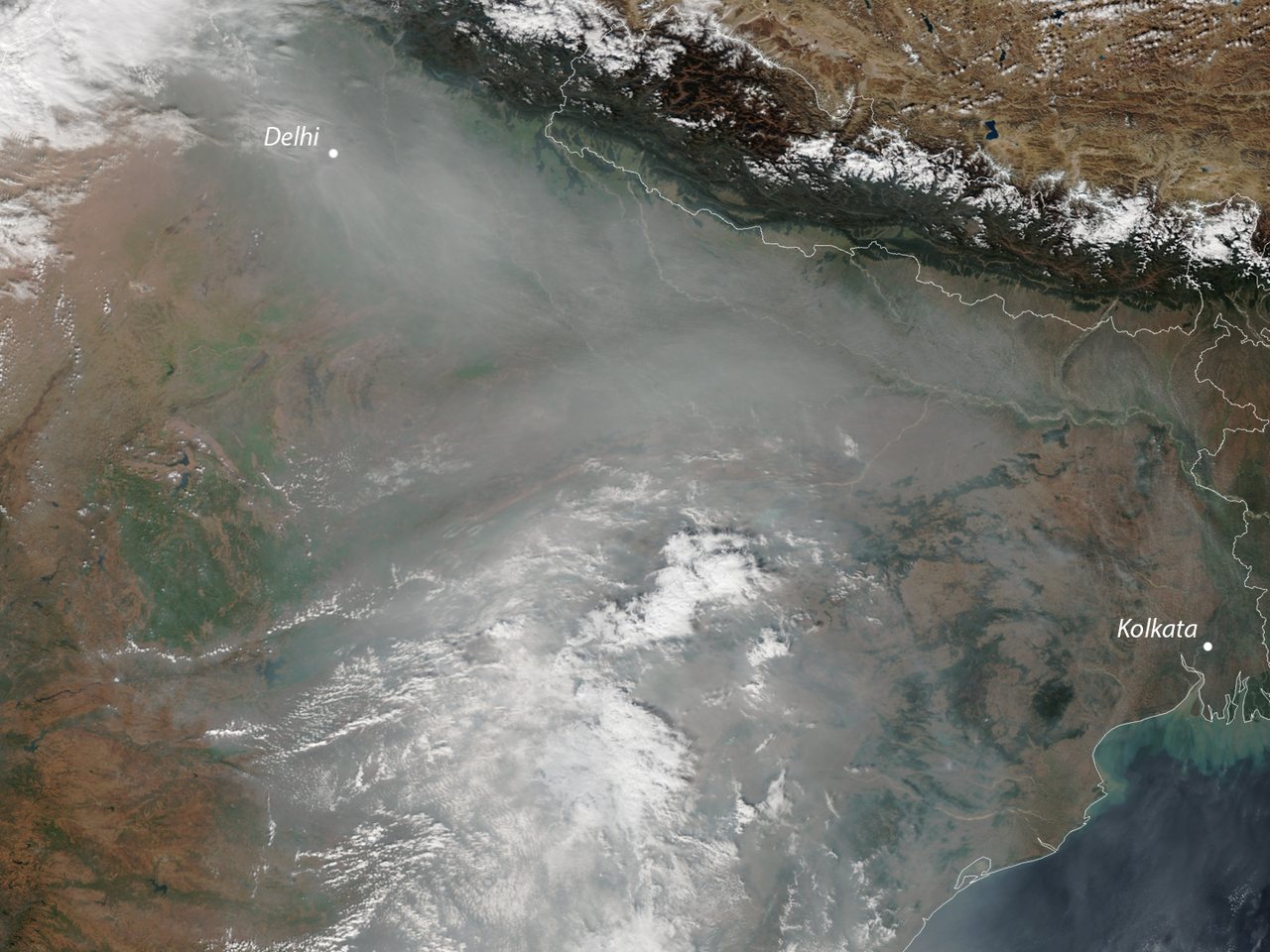
The slide began after Dussehra, with emissions from firecrackers and burning effigies adding to the usual load from traffic and construction dust. Cooler nights and slow winds are trapping pollutants close to the ground. The Indian Institute of Tropical Meteorology’s Decision Support System estimated on Wednesday that transport accounted for about 21% of Delhi’s PM2.5 and stubble burning in neighbouring states for about 4%. Forecasters expect the farm-fire share to grow.
The weather offers little help for now. Safdarjung recorded a minimum of 19°C, 1.8 degrees above normal, and the India Meteorological Department expects a maximum of around 32°C under mainly clear skies. A western disturbance due over the western Himalayas around 24 October could bring clouds to Delhi as well.
On the roads
Stage I of the Graded Response Action Plan has been in force across Delhi-NCR since Wednesday, with 25 measures covering road sweeping, water sprinkling, dust control at building sites, pollution certificate checks and action against over-age vehicles.
At an inter-state meeting on Thursday, Special Commissioner of Police (Traffic) Ajay Chaudhary and officials from neighbouring states discussed stopping or turning back polluting buses at border checkpoints rather than catching them after they enter the city. Joint enforcement teams were also discussed. Restrictions on some vehicles registered outside Delhi will apply from 1 November 2026 to 31 January 2027.
The Air Quality Early Warning System expects the air to remain ‘poor’ through Sunday, 25 October.