WorldMiddle East
Houthis hit Aramco building in Dhahran hours after Saudi-led strikes on Sanaa oil site
A small fire broke out at the Aramco office but nobody was hurt, Saudi Arabia said. The coalition says it is hitting the Houthis' fuel depots and energy terminals across northern Yemen.
Key points
- A Houthi strike set off a small fire at an Aramco building in Dhahran, with no injuries, Saudi Arabia's energy ministry said.
- The Saudi-led coalition hit the al-Sabah central oil station in Sanaa after its first evacuation order for the Yemeni capital.
- Riyadh's King Khalid International Airport stays closed until midnight on 17 October.
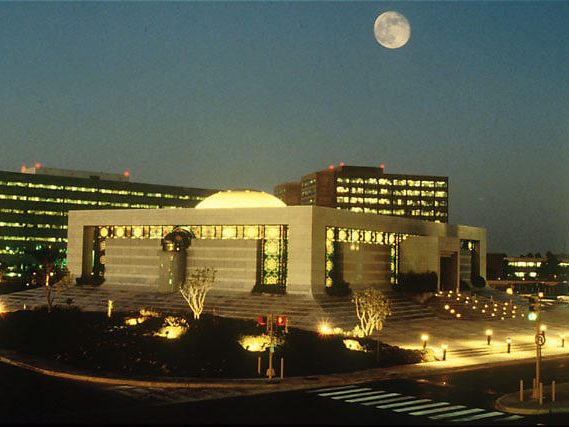
Yemen’s Houthis struck an Aramco administrative building in Dhahran on Tuesday, hours after the Saudi-led coalition bombed an oil facility in Sanaa. The attack started a small fire at the building in Saudi Arabia’s oil-producing Eastern Province, and nobody was injured, an official at the Saudi energy ministry said.
The strike on the Aramco office came after the Houthis declared Saudi oil sites a “legitimate target”. They told employees and people living nearby to leave Aramco’s headquarters in Dhahran, Riyadh’s King Khalid International Airport and an Aramco-linked refinery in the capital.
Sanaa’s oil station hit
The exchange began when the coalition issued its first evacuation order for Sanaa since the war flared up again, naming the Yemeni Oil Company’s al-Sabah central station. Explosions were heard in the city soon after, and Houthi-run media said the oil company’s site had been hit.
Coalition spokesman Major General Turki al-Maliki said the operation was aimed at “vital assets” the Houthis use to wage war, including underground fuel reserves and tanks, and energy terminals in Hodeidah, Sanaa and Dhamar. He said the group had used the Sanaa facility and its underground depots to store missiles and drones, and that forces had taken care to avoid “collateral damage on civilians”. Oil storage tanks at Ras Isa port were also struck.
The Yemeni Oil Company said its tanks were empty and that fuel supplies would not be affected. Queues still formed at petrol stations in Sanaa.
Houthi military spokesman Yahya Saree had warned that any strike on Sanaa would bring a “harsh and painful” response against Riyadh. Senior Houthi official Mohammed al-Bukhaiti said the campaign was meant to tell Crown Prince Mohammed bin Salman “that he can no longer wage aggression against Yemen from a safe position”.
Riyadh under fire again
Saudi air defences intercepted Houthi missiles aimed at the capital on Tuesday. Debris from two of them injured four people and damaged 15 homes, the Civil Defence said. A cruise missile was destroyed over Al-Kharj governorate, south of Riyadh, and three drones were brought down north of the city.
The Saudi cabinet, chaired by the crown prince, said the Houthis would face “consequences”. Human Resources Minister Ahmad bin Sulaiman Al Rajhi told a forum in Riyadh: “We’re not going out.”
King Khalid International Airport, the kingdom’s second busiest, will stay closed until midnight on 17 October under a notice to airmen issued on Monday. Saturday’s missile attack on the airport killed 13 people and injured more than 300, and Riyadh’s schools have moved to remote learning for a week. Air India is among the airlines that have suspended flights to Saudi Arabia. The Indian Embassy has urged calm and asked people not to share videos of the attacks.
US President Donald Trump said the Houthis were “behaving very badly” and that Washington was considering joining the Saudi strikes. He has accused the group of targeting Saudi infrastructure to push up energy prices before the US midterm elections.
The cost inside Yemen
The fighting is spreading inside Yemen too. Government forces backed by Riyadh carried out nine air strikes in Taiz governorate on Tuesday, and a Yemeni rights group said Houthi shelling in Taiz killed at least five civilians over 24 hours, among them a five-year-old girl.
The UN says at least 46 civilians have been killed in Yemen since August and more than 200,000 people displaced since September. The World Health Organization says suspected cholera cases have tripled in three weeks.