WorldMiddle East
IMF says Iran war will shrink Middle East and Pakistan economies this year, Gulf exporters face recession
Output across the Middle East, North Africa and Pakistan will contract 1.3% in 2026, the IMF said on Thursday, with Bahrain, Kuwait, Qatar and Iraq facing double-digit falls and even Saudi Arabia and the UAE slipping into recession.
Key points
- The IMF expects output in the Middle East, North Africa and Pakistan to contract 1.3% in 2026.
- Bahrain, Kuwait, Qatar and Iraq face double-digit declines in GDP.
- The forecast assumes the conflict eases in early 2027; a longer war is the main risk.
The war against Iran will push the economies of the Middle East, North Africa and Pakistan into contraction this year, the International Monetary Fund said on Thursday, with several Gulf oil exporters heading into recession.
In its regional economic outlook, the IMF forecast that output across the region would shrink by 1.3% in 2026 before rebounding by 6.6% in 2027. Even then, it said, output would stay below the level it had projected before the war.
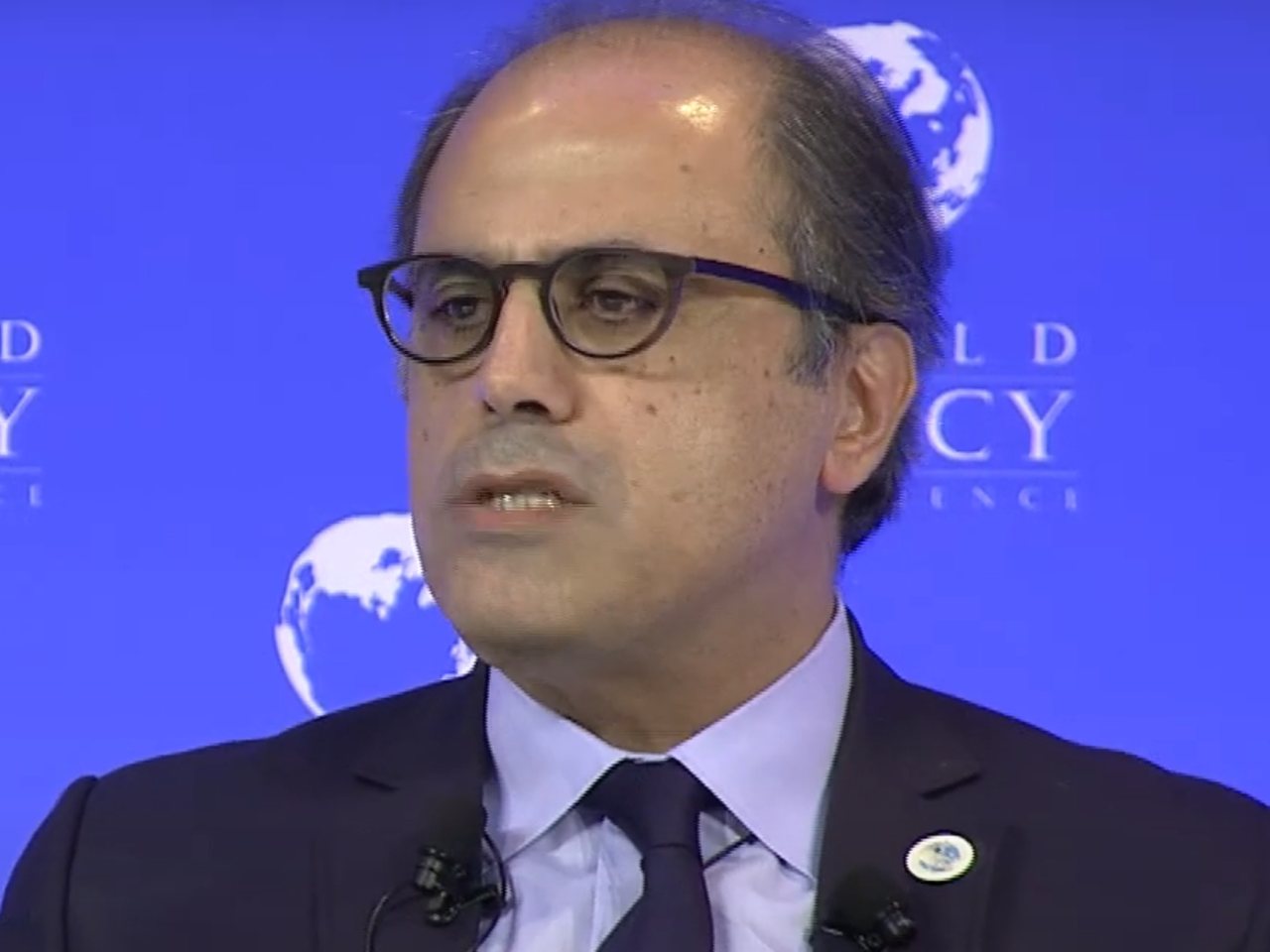
“This sharp downgrade is concentrated among the economies most directly affected by the conflict,” said Jihad Azour, director of the IMF’s Middle East and Central Asia Department. “Several Gulf oil exporters are projected to experience recession this year.”
Oil exporters hit hardest
The fund expects every economy in the Gulf Cooperation Council to contract this year except Oman. Bahrain, Kuwait and Qatar, along with Iraq, which is outside the bloc, face double-digit falls in GDP. Saudi Arabia and the UAE are also projected to fall into recession, though the IMF said they were less exposed to the disruption of energy trade than their neighbours.
The IMF blamed the downturn on the US-Israeli-led war against Iran, which began on 28 February and has hit energy production, shipping, tourism, trade and confidence across the region. Oil importers have held up better than exporters, it said, helped by remittances, tourism and policy responses.
Pakistan is counted in the regional group. The IMF did not give a separate figure for it in the outlook.
A forecast built on peace
The projections assume that the conflict eases in early 2027 and that trade returns to normal gradually. The IMF called the outlook clouded by “exceptionally high uncertainty”. Other risks include a reassessment of the productivity gains expected from artificial intelligence and further rises in interest rates driven by inflation and worries over public finances.
“A more prolonged conflict remains the principal risk to the outlook,” Azour said.
Neighbouring regions are holding up better. The IMF expects the Caucasus and Central Asia to grow 5.2% this year and 5% in 2027.
The fund urged governments to put price stability and sustainable public finances first, protect the independence of central banks and push ahead with reforms to lift productivity and jobs.
The war on the ground
The forecast came as the war showed no sign of easing. Iran’s Revolutionary Guards said this week that seven tankers had been struck or hit mines near the Strait of Hormuz, and Yemen’s Houthis have kept up missile and drone attacks on Saudi Arabia. On Wednesday the US State Department ordered some diplomats and their families to leave its missions in the kingdom, and Brent crude climbed above $111 a barrel on Thursday.