WorldMiddle East
Istanbul ministers say no to a new attack on Iran as Trump talks of 'another little Epic Fury'
Foreign ministers from Europe and four Muslim-majority powers ended their first meeting in this format with a call for restraint on both sides, as oil climbed and Washington hinted at fresh strikes.
Key points
- None of the eight countries at the Istanbul meeting backed another military attack on Iran, Turkey's foreign minister said.
- France warned a new escalation would have very serious consequences for hydrocarbon prices.
- Donald Trump suggested the US may do another little Epic Fury, and Brent touched $117.30 a barrel.
Foreign ministers from Britain, France, Germany and Italy and from Turkey, Saudi Arabia, Pakistan and Egypt closed a day of talks in Istanbul on Friday with a plain message for Washington and Tehran: no new war.
Turkish Foreign Minister Hakan Fidan, who hosted the meeting, said none of the participants approved of another military intervention or attack on Iran, and that diplomacy and dialogue were the only way to end the conflict. He described the new grouping as having “several advantages, particularly because it is informal and flexible and focuses specifically on the issues we face.”
The eight countries did not issue a joint text. Their ministers spoke instead.
A warning about oil
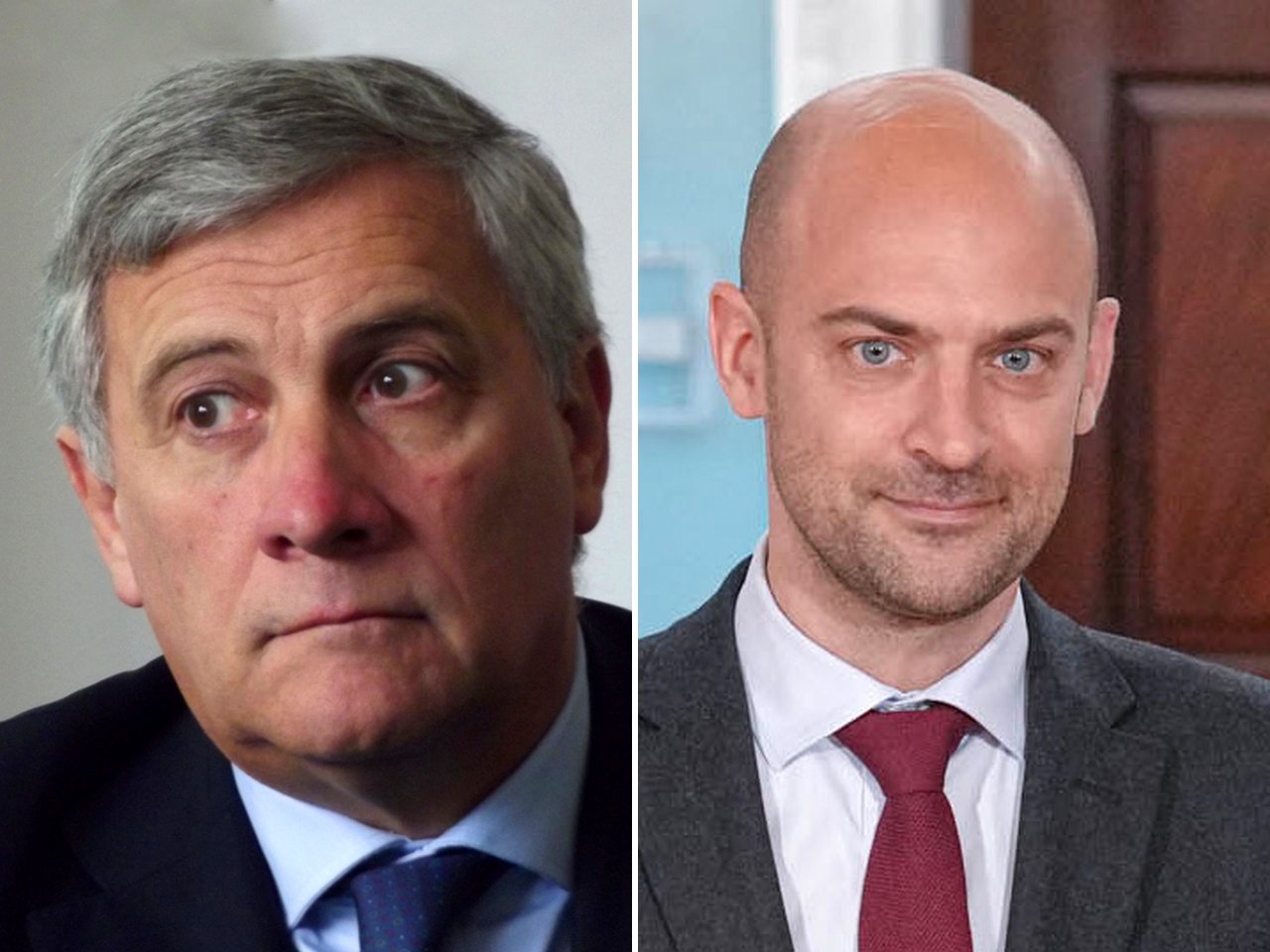
French Foreign Minister Jean-Noel Barrot said the group would first call on both sides to “exercise the utmost restraint, because we cannot afford another escalation in the region”. A new round of fighting, he said, “would create nothing but losers and would undoubtedly have very serious consequences for hydrocarbon prices”.
Italy’s Antonio Tajani, who joined the European trio of the UK, France and Germany, said the aim was “de-escalation to guarantee freedom of navigation”. He added: “I do not believe the problem can be solved from a purely military standpoint.”
Egyptian Foreign Minister Badr Abdelatty said he had pressed for lower tensions, a US-Iran dialogue and a just peace in Palestine. Before the talks, the office of British Foreign Secretary Ed Miliband said he would push for a diplomatic deal that restores navigation rights in the Strait of Hormuz, and warn that Iranian tactics were spreading to the Bab el-Mandeb and the Suez Canal.
Gaza, the war in Yemen and the prospects for ending the war in Ukraine were also on the table.
Washington signals more
The appeal came as President Donald Trump kept the door open to new strikes. He told reporters on Friday that the US “may do it a little bit further” against Iran, and that a move would come “fairly soon”, without naming a target or a timetable. Later, he suggested Washington “may do another little Epic Fury”.
The US blockade of Iranian shipping has now run for 100 days, and US Central Command says it has kept at least $25 billion of Iranian crude off the market. Brent crude touched $115 a barrel on Friday evening and $117.30 overnight.
The Saudi question
The meeting also turned on the defence of Saudi Arabia, which faces near-daily Houthi missile and drone attacks. Turkey said the Mecca defence pact it has signed with Pakistan and Saudi Arabia is not aimed at any country. Egypt has not decided whether to join; President Abdel Fattah el-Sisi has said Cairo would defend Saudi territory but would not take part in attacks on Yemen.
What it means for India
India was not part of the talks, but the war is keeping thousands of Indians on the move. The Ministry of External Affairs said on Friday that about 3,000 stranded Umrah pilgrims had returned from Saudi Arabia over the past week, and more than 10,000 others had come home on scheduled flights. IndiGo has extended its Riyadh suspension to 31 October, and Akasa Air has stopped Riyadh flights until 30 November.
Updated 24 October 2026, 5:10 am IST: This story was updated after it was first published.