WorldMiddle East
Europe and Gulf powers meet in Istanbul on Hormuz as Trump hints at more Iran strikes
Britain, France, Germany and Italy sat down with Turkey, Saudi Arabia, Pakistan and Egypt for the first time in this format, with shipping through the Strait still far below pre-war levels.
Key points
- Foreign ministers from eight European and Middle Eastern countries met in Istanbul on Friday.
- Britain says traffic through the Strait of Hormuz is sharply down on pre-war levels.
- Donald Trump said the US has knocked the hell out of Iran and may go further.
Foreign ministers from four European and four Middle Eastern countries met in Istanbul on Friday to look for a way to reopen the Strait of Hormuz, as US President Donald Trump signalled that more American strikes on Iran could follow.
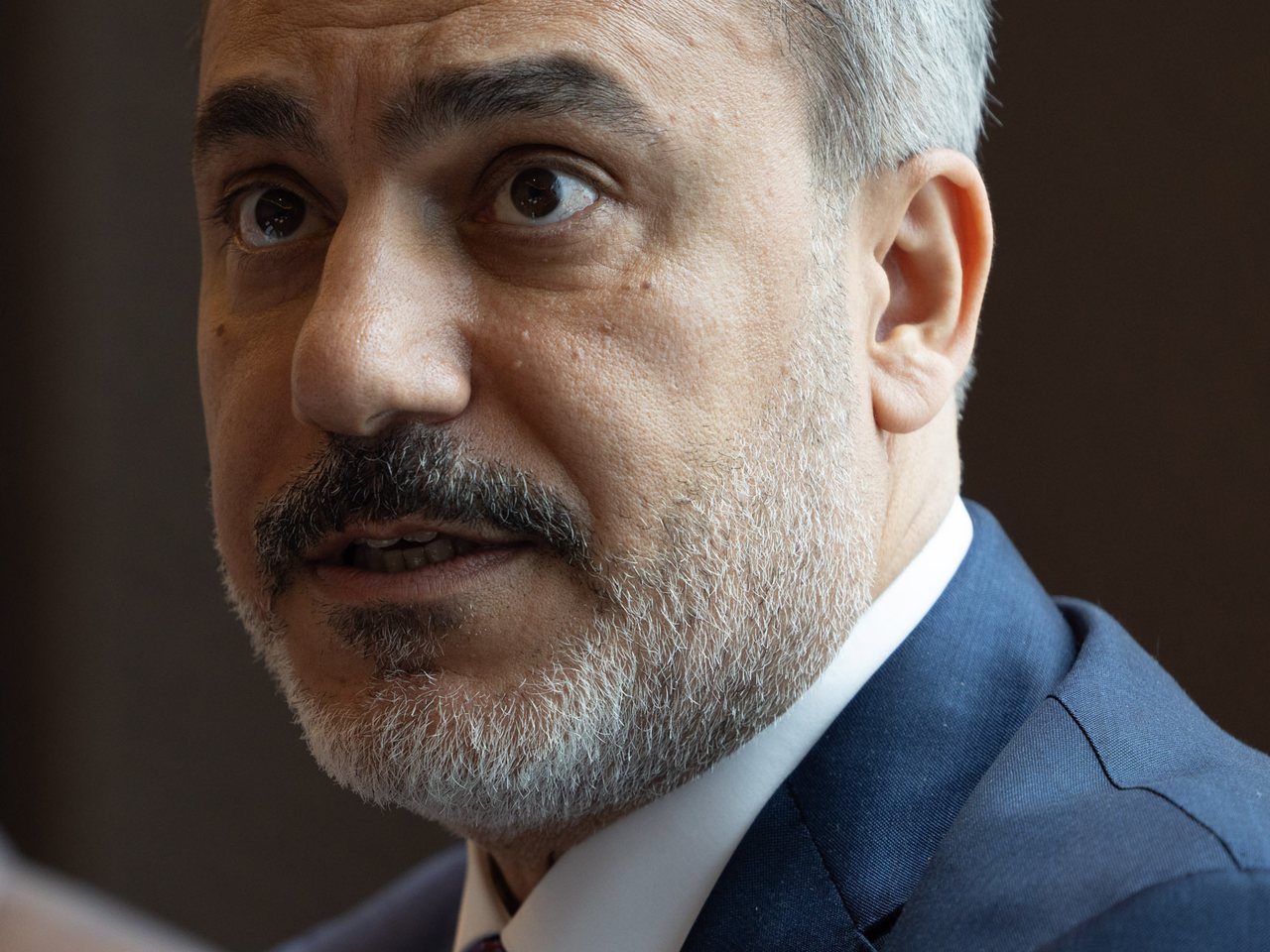
Turkish Foreign Minister Hakan Fidan hosted the talks, which bring together the E3 of Britain, France and Germany, along with Italy, and a new group of four regional powers: Turkey, Saudi Arabia, Pakistan and Egypt. Paris called it the first meeting in this format, aimed at “the Iranian crisis in its various ramifications”.
Britain’s Foreign Secretary Ed Miliband went in arguing for a diplomatic settlement that restores full freedom of navigation. His office said “passage through the Strait remains under threat, with traffic through the waterway sharply down on pre-war levels”, and warned that Iranian tactics were spreading, with Houthi attacks on Saudi Arabia adding pressure on the Bab el-Mandeb and the Suez Canal. Britain has committed RAF Typhoon jets to help defend Saudi airspace.
Fidan, for his part, has framed the crisis as one the region must own. “Lasting solutions cannot be imposed from outside,” he said, and he was expected to press for more international pressure on Israel over settlement expansion, back Saudi Arabia against the Houthis and call for permanent freedom of navigation through Hormuz and the Bab el-Mandeb. A Turkish foreign ministry source said the Palestinians, Yemen and the Russia-Ukraine war were also on the table.
Trump’s warning
The talks open under a fresh threat from Washington. Late on Thursday, Trump said the United States had “knocked the hell out of Iran” and “may do it a little bit further”. He did not say what further action he had in mind.
Iran said on Thursday that seven oil tankers had been set on fire or damaged in the Strait, its highest one-day count since the war began in February. In Saudi Arabia, intensified Houthi attacks have forced the closure of the main airport and the postponement of a major investment conference. French President Emmanuel Macron, on a surprise visit, said French forces would help protect the Red Sea oil terminal at Yanbu.
Pakistan at the table
Pakistan’s seat at the meeting reflects its new place in Gulf security. Turkey, Saudi Arabia and Pakistan set up the Mecca defence pact in August, and the regional group of four at Istanbul is built around it. Egypt has not decided whether to join the pact, though President Abdel Fattah al-Sisi has said Egypt would “defend Saudi territory” and would not take part in any attack on Yemen.
India is not part of either grouping, but it has as much riding on the outcome as anyone in the room. India is the world’s third-largest supplier of seafarers, with more than 3 lakh sailors on global fleets. More than a dozen Indian seafarers have been killed and three are missing in the region since the conflict began. On Thursday the Ministry of External Affairs called the attacks on civilian and energy infrastructure in Saudi Arabia “unacceptable”, after an Indian national was killed at Dammam airport. On Friday, the Indian embassy in Yemen said 14 Indians on a yacht caught up in an attack off the Yemeni coast were safe.
No statement from the Istanbul meeting had been issued by mid-afternoon Indian time.