WorldLatin America
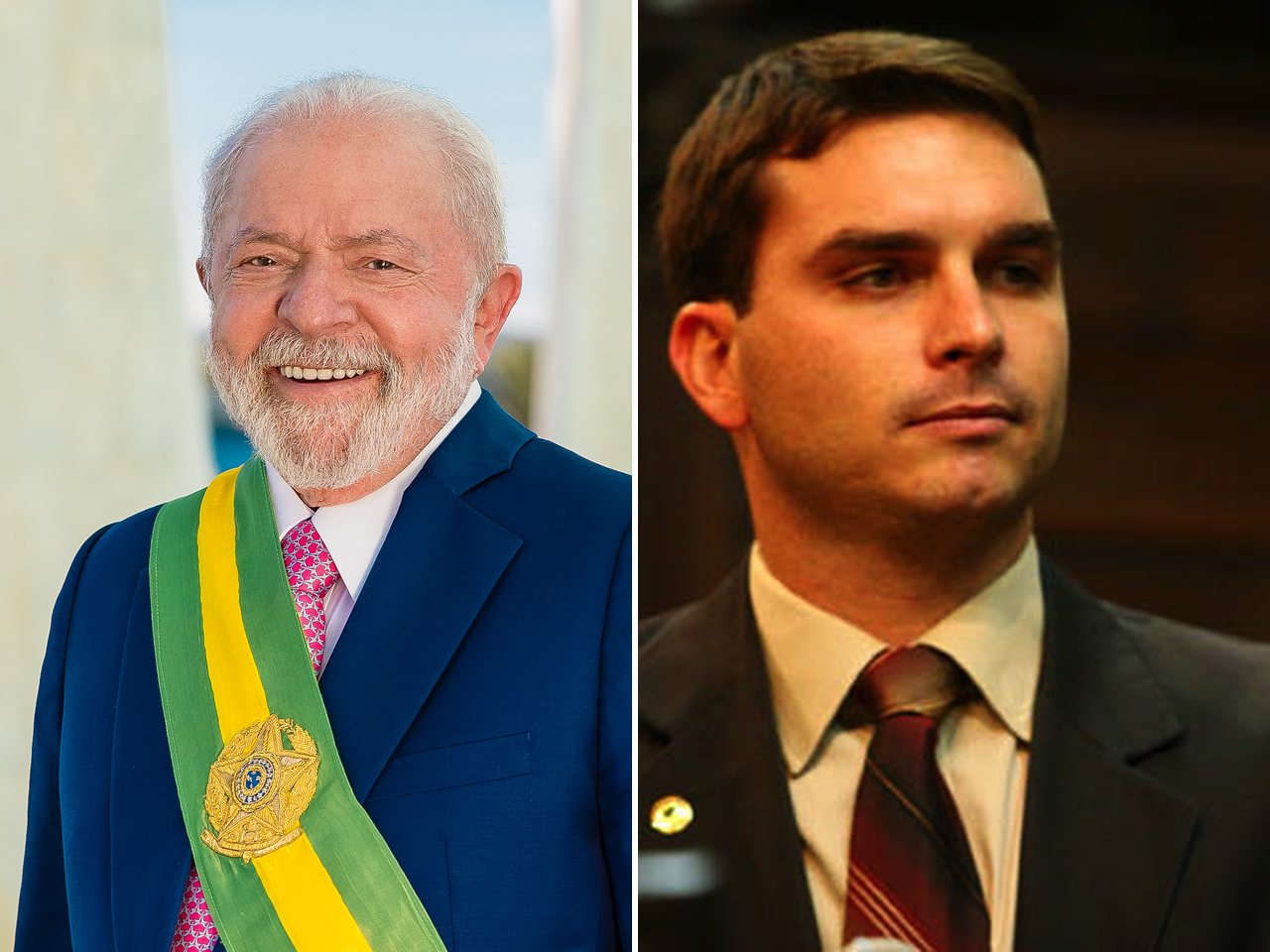
Lula wins record fourth term as Brazil's runoff swings away from Flávio Bolsonaro
Behind in the first round and in the final polls, Luiz Inácio Lula da Silva led 51.56% to 48.44% with almost 90% of polling stations counted, after a night of lead changes and a court-ordered voting extension.
Key points
- With 89.74% of stations counted, Lula had 51.56% to Flávio Bolsonaro's 48.44%, a lead of about 3.45 million votes.
- Flávio led early in the count before Lula overtook him as votes from the north-east came in.
- Justice Cristiano Zanin's order to extend voting in some areas paused the count for two hours.
Luiz Inácio Lula da Silva has won a record fourth term as Brazil’s president, coming from behind to beat Senator Flávio Bolsonaro in Sunday’s runoff after one of the tightest and most fraught counts in the country’s recent history.
With 89.74% of polling stations counted, the Superior Electoral Court’s figures gave Lula, of the Workers’ Party (PT), 51.56% of valid votes, or 57,206,365. Flávio Bolsonaro, of the Liberal Party (PL) and the son of former president Jair Bolsonaro, had 48.44%, or 53,754,103. That left Lula about 3.45 million votes ahead with only a tenth of stations still to report. Turnout was 80.97%.
The result upends the first round on 4 October, when Flávio Bolsonaro finished first with 47.03% to Lula’s 45.16%. The last polls before the runoff, by Datafolha and Genial/Quaest, both had him at 51% to Lula’s 49%. Pollsters said on Sunday night that a higher than expected turnout appeared to have helped the president. Nearly 159 million Brazilians were eligible to vote.
Neither candidate’s reaction to the result was available at the time of writing.
A night of lead changes
The count swung back and forth for most of the evening. Flávio Bolsonaro edged ahead in the early returns and was still in front, narrowly, with more than a third of stations counted. Lula moved ahead at about the halfway mark as returns from the north-eastern states, his stronghold, came in. In Bahia, partial results gave him more than 70%; in São Paulo Flávio Bolsonaro had about 57%.
Lula’s lead then widened steadily. Overseas votes also went his way, by about 58% to 42%.
A row over the voting hours
The day was overshadowed by a dispute over transport and polling hours. Lula’s campaign asked for voting to be extended in at least nine states, saying public transport had been cut on election day. Flávio Bolsonaro asked for extensions in at least three states, citing bad weather. A court in Bahia ordered the arrest of a senior transport official in Salvador over alleged cuts to the city’s bus fleet.
“Something abominable is happening” in this election, Lula said before the Supreme Federal Court ruled. Justice Cristiano Zanin, who was once Lula’s lawyer, allowed polling stations still open at the 5 pm cut-off to keep receiving voters for two more hours, though stations that had already closed stayed shut. The electoral court paused the count for two hours.
Bolsonaro allies were quick to question the decision. “Strange, isn’t it?” Eduardo Bolsonaro, Flávio’s brother, said on a YouTube livestream. “It doesn’t inspire credibility.” Legal experts said the extension and the transport complaints could lead to challenges to the result.
The Bolsonaro shadow
The campaign was fought in the shadow of Jair Bolsonaro, who is serving a 27-year sentence for plotting a coup after his defeat by Lula in 2022, when he refused to concede and his supporters stormed government buildings in Brasília. Flávio Bolsonaro stood in his father’s place.
US President Donald Trump stayed publicly neutral. Asked who he hoped would win, he said: “I don’t want to get into that, but we are watching.”
Brazilian markets, closed for the weekend, reopen on Monday, when investors will have their first chance to react to the result.