WorldLatin America
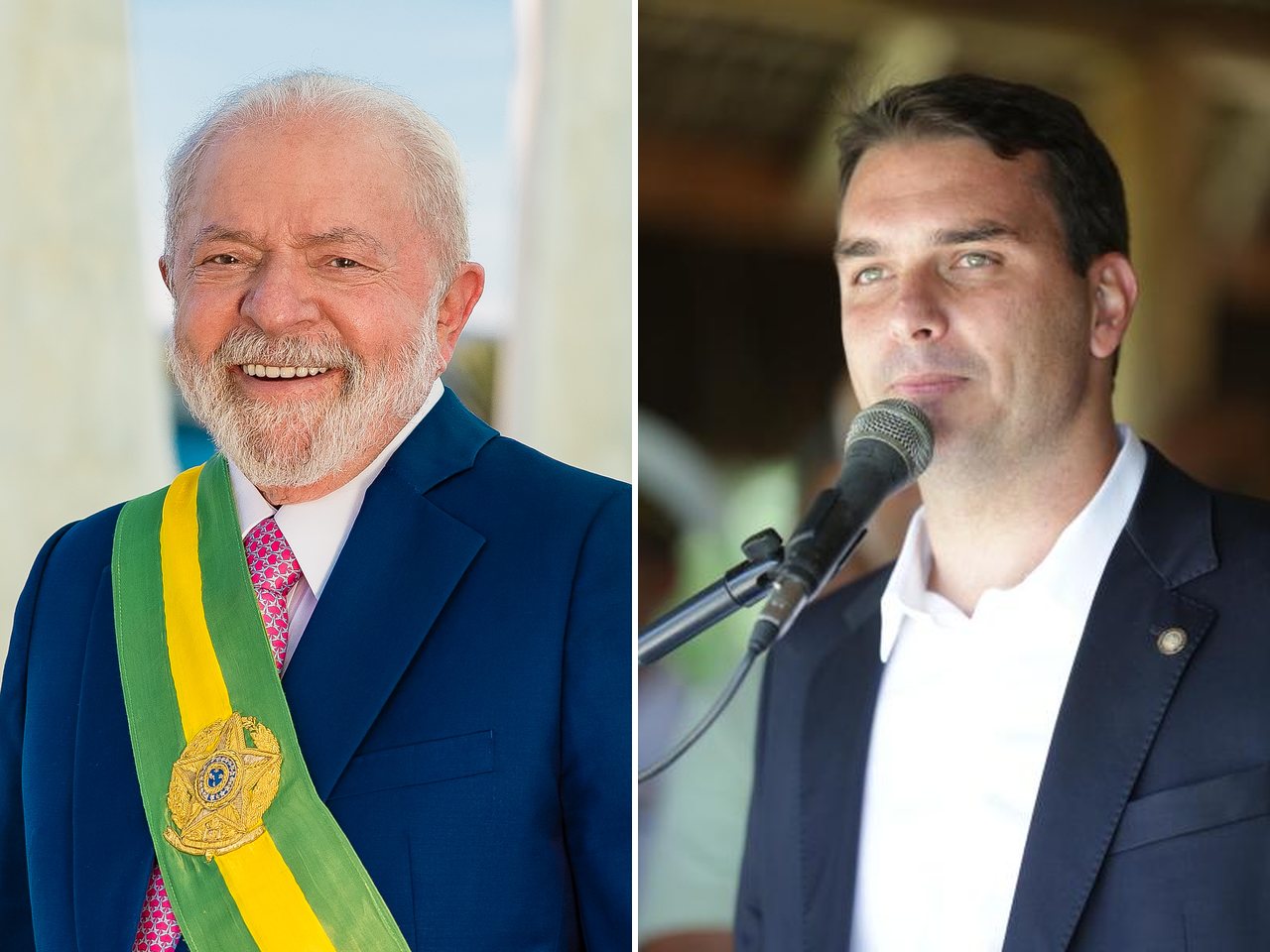
Lula and Flávio Bolsonaro trade 'nine fingers' jibes in Brazil's final debate
Lula and Flávio Bolsonaro traded personal attacks and rival promises on wages, roads and bus fares in a two-and-a-half-hour TV Globo debate, two days before Sunday's runoff.
Key points
- The final debate ran for nearly two and a half hours at Estúdios Globo in Rio on Friday night.
- Flávio said Lula 'gives with one hand and takes with nine fingers'; Lula called him a 'miliciano'.
- Brazil votes on Sunday, 25 October, with polls showing a statistical tie.
Brazil’s presidential candidates used their last televised meeting on Friday night to mix promises on wages and roads with some of the sharpest personal attacks of the campaign, two days before a runoff that polls say is too close to call.
President Luiz Inácio Lula da Silva and Senator Flávio Bolsonaro faced each other for nearly two and a half hours at Estúdios Globo in Rio de Janeiro, with the journalist César Tralli moderating. The broadcast ended around midnight Brasília time, in the early hours of Saturday in India.
Nine fingers
The moment most replayed came when Flávio, the son of former president Jair Bolsonaro, said Lula “gives with one hand and takes away with nine fingers”. Lula lost a finger while working in industry as a young man, and the line was a dig at both his record and his past.
Lula hit back in the next block. He would not, he said, “allow a militiaman to call me nine fingers”. He also asked Flávio where the money had come from for a house worth R$10 million.
Wages, roads and bus fares
Away from the insults, the two men argued over who had done more for working Brazilians. Flávio promised to raise the minimum wage above inflation and pointed to the date. “Today is the 23rd. Has your salary already run out?” he asked viewers. Lula replied that without governments of his Workers’ Party the minimum wage would today be below R$900.
On infrastructure, Flávio said he would finish the Transnordestina railway, build a southern road corridor and expand road concessions, with no tolls for motorcycles. He said more than 11,000 public works projects were stalled. Lula said his governments had invested “three or four times more” than Jair Bolsonaro’s and mocked his rival as a student who “can memorise but can’t learn”.
Both men said they backed free public transport. Flávio linked it to cutting the tax burden, an indirect swipe at Lula’s tax reform, and Lula asked whether he would at least support free bus rides at weekends.
New rules on stage
Globo tried to keep the evening civil with what it called an anti-mockery rule: in the first three blocks, the candidate without the floor could not roam the stage. In the last block each man had eight minutes to speak freely. The channel did not fact-check live, saying it would publish checks on its websites instead.
Too close to call
Flávio led the first round with 47.03% of valid votes to Lula’s 45.16%. Datafolha’s final survey, released on Thursday, had Flávio on 47% and Lula on 46%, a statistical tie within its two-point margin of error. Another poll released on Friday by Alfa Inteligência gave Flávio 52% of valid votes to Lula’s 48%.
Brazilians go to the polls on Sunday to settle it.