WorldSouth Asia
Pakistan rejects Zalmay Khalilzad's claim that it is recruiting Afghans against the Taliban
The information ministry called the former US envoy's charge 'baseless and misleading' and said attention should be on 'India-sponsored proxies' using Afghan soil against Pakistan.
Key points
- Khalilzad said Pakistan was "recruiting Afghans to fight against anti-Pakistan insurgents".
- Islamabad called the allegation "baseless and misleading" and accused him of a personal agenda.
- The ministry said the Taliban must stop Afghan soil being used by "India-sponsored proxies".
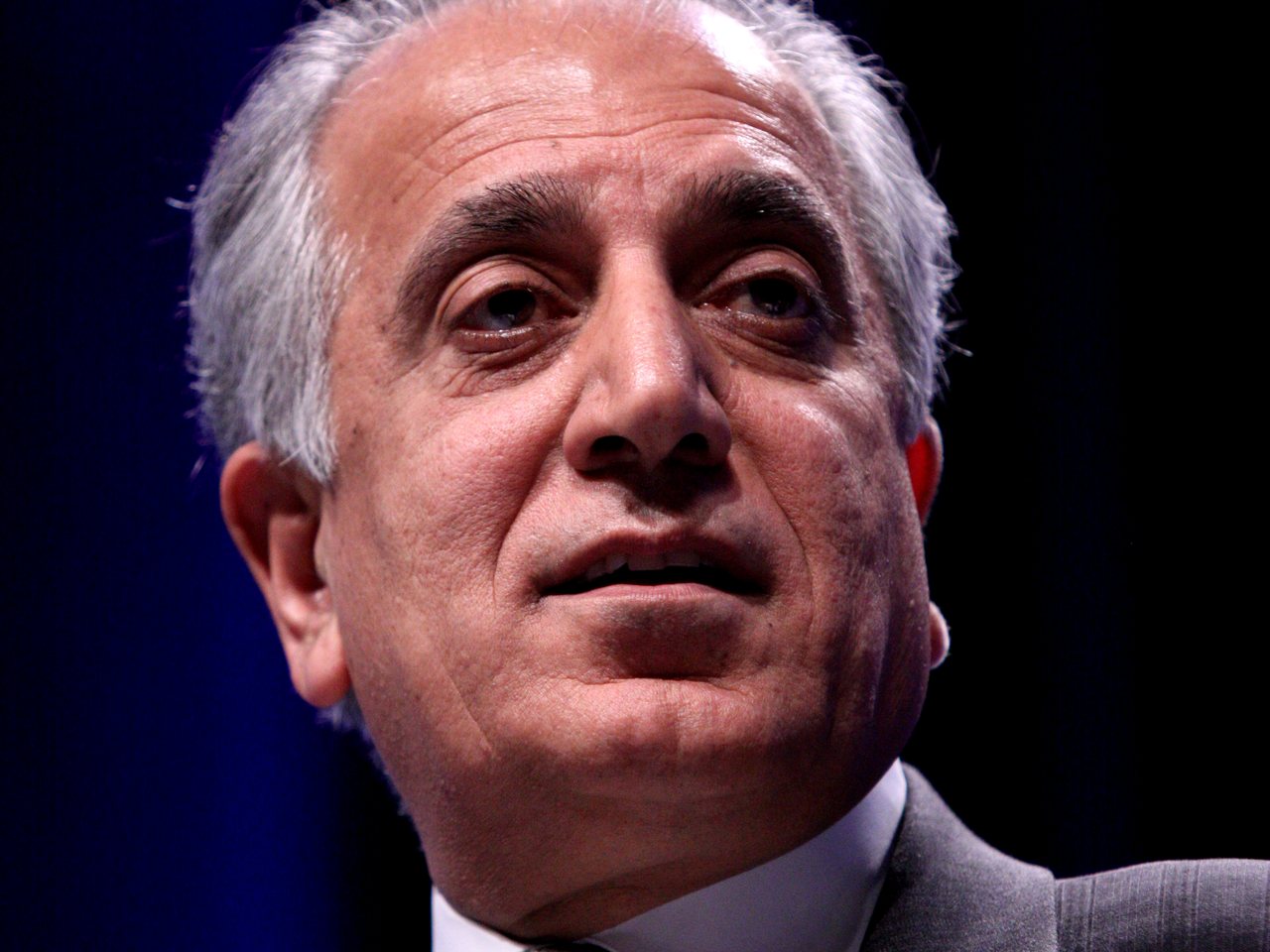
Pakistan on Saturday rejected a claim by Zalmay Khalilzad, the former US special envoy for Afghanistan, that Islamabad was recruiting Afghans to fight armed groups opposed to Pakistan, calling it “baseless and misleading”.
Khalilzad, who served as special representative to Afghanistan during Donald Trump’s first term and negotiated the US deal with the Taliban that led to the NATO withdrawal, wrote on X on Friday that Pakistan was “recruiting Afghans to fight against anti-Pakistan insurgents”.
The information ministry answered through its fact-check account. “His sweeping baseless assertions merely recycle speculative narratives,” it said, accusing him of pursuing a personal agenda in support of the Taliban government in Kabul.
“Skewed agenda”
The allegations, the ministry said, only exposed what it called Khalilzad’s “skewed agenda-based views”. It said it was “particularly misleading to conflate Pakistan’s legitimate counterterrorism operations” with talk of recruiting Afghans or sponsoring armed groups. It pointed to UN monitoring reports that document the presence of the Pakistani Taliban, the TTP, and Al-Qaeda in Afghanistan. “Pakistan remains at the forefront of the fight against terrorism,” it said.
It then turned the charge towards India. Khalilzad’s claims, the ministry said, only took attention away from the Afghan Taliban’s duty to stop their territory being used by “India-sponsored proxies for terrorism against Pakistan”. There was no Indian response to Saturday’s statement.
An old quarrel
This is not the first time Islamabad and the veteran Afghan-American diplomat have clashed. In November 2025 the ministry said he had created a “false impression” that the Islamic State’s regional branch was operating in Punjab, after a man was killed in Akhtarabad; it later said that death came in a robbery. In March 2023 the Foreign Office said Pakistan did not need “unsolicited advice” from him, and the US State Department said at the time that he did not speak for the Biden administration.
Khalilzad has repeatedly urged Islamabad and Kabul to settle their differences through talks, most recently in January this year.
Why it matters
Relations between Pakistan and Afghanistan’s Taliban rulers have been tense for months. In September, Pakistan carried out airstrikes in the border region after attacks in Khyber Pakhtunkhwa, and drone incursions and further strikes followed.
For India, the statement shows how quickly Islamabad now reaches for New Delhi when it is put on the defensive over Afghanistan. A charge from a former American envoy about Pakistan’s own conduct ended, within a day, as an accusation against India.