OpinionOur view
A festive sales boom is welcome. It does not mean inflation can wait
Online shoppers spent about ₹24,000 crore in two days, much of it from smaller towns. That is good news. But the same week brought 5.54% retail inflation and onions at double last year's price. Policy should be guided by the second number, not the first.
The first two days of this year’s online festive sales were remarkable. Shoppers spent about ₹24,000 crore, by Redseer Strategy Consultants’ estimate, across 8 to 9 crore orders. First-time buyers doubled. About two-thirds of opening-day shoppers came from Tier 2 towns and rural India. In a year of war in the Gulf, costly oil and a weak rupee, that is a genuinely encouraging sign.
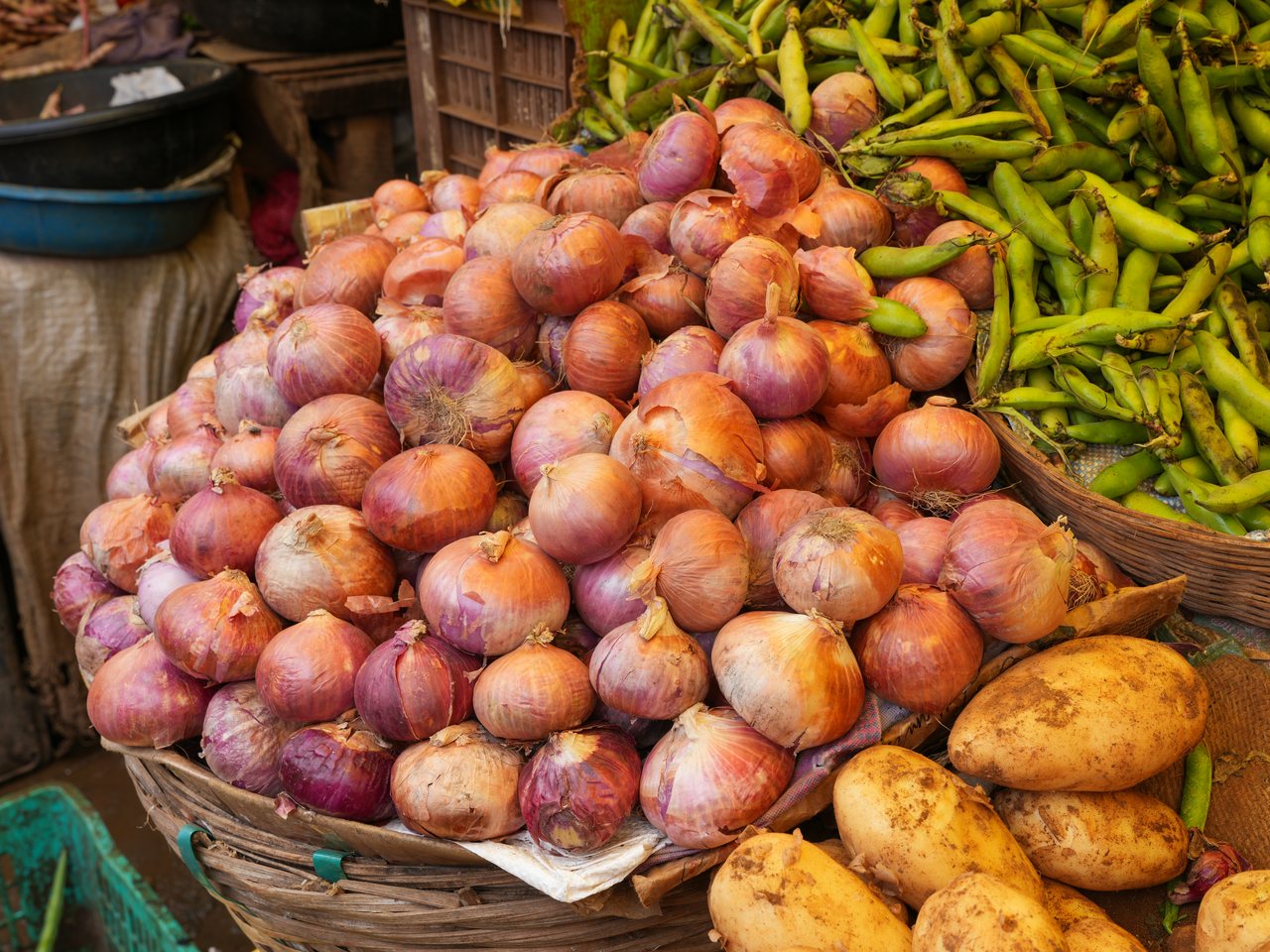
It would be a mistake, though, to read it as proof that households are comfortable. The same day those numbers came out, retail inflation for September was released at 5.54%, the highest since the new consumer price series began. Food inflation was 7.74%. Onions cost more than twice what they did a year ago.
What the sales do and do not tell us
Festive sales are, by design, a burst. Platforms offer their deepest discounts of the year, and families who have been putting off a phone or a television wait for exactly this window. Mobile phones alone made up 38-40% of what was sold. A purchase brought forward to October is not the same as a rise in spending through the year.
Online sales are also only part of the picture. Most Indians still buy food, clothes and household goods in neighbourhood shops and markets, and there is no comparable real-time count of that spending.
The other side’s best case
Those who see a robust economy have a fair point. Growth was 7.8% in April-June. The spread of buyers into smaller towns suggests demand is wider than a few metros. Strong sales give companies the confidence to invest and hire, and a pessimistic reading can become self-fulfilling.
We agree the news is good. Our worry is what follows from it. If strong festive numbers are taken as a sign that households can absorb higher prices, the pressure to act on inflation will fade at exactly the wrong moment. Wholesale prices were up 9.92% in August, with fuel and power up nearly 23%, and those costs are still working their way to shop shelves. The Reserve Bank already expects retail inflation to touch 6% in October-December, and several economists expect another rate increase in December.
What should be done
First, the government should act on food prices now, not after Diwali. Where it holds stocks of staples, it should release them into the open market early in the season, and it should be quick to ease any trade restrictions that are keeping supply tight. Food is where inflation hurts the poorest households most.
Second, festive buying is increasingly done on instalments. Platforms and lenders should be required to show, before a shopper commits, the full cost of any “no-cost” or low-cost EMI, including processing fees and any interest built into the price. A phone bought on credit in October should not become a burden in March.
Third, policymakers should look beyond the online headline. Regular, published data on offline retail sales would tell us far more about how ordinary households are coping than any two-day sale.
A good festive season and a serious inflation problem can exist side by side. The first is worth celebrating. The second is the one that needs a response.
The reporting behind this view
- ₹24,000 croreonline festive sales in the first two days, Redseer estimate
- 5.54%retail inflation in September 2026, up from 4.83% in August
- 7.74%food inflation in September 2026
The documents
- RBI Monetary Policy Statement, October 2026Reserve Bank of India, 7 October 2026