WorldMiddle East
'There will not be a strike today': Trump holds off on Iran as Qatari mediators go to Tehran
A day after saying an attack could come as soon as Sunday, the US President said it would not, while Tehran said messages were still passing to Washington through intermediaries.
Key points
- Leaving the White House for Michigan, Trump said "there will not be a strike today".
- Qatari mediators were in Tehran on Sunday as part of efforts to cool the crisis.
- Iran's Speaker Ghalibaf said the US had walked into a "quagmire" of its own making.
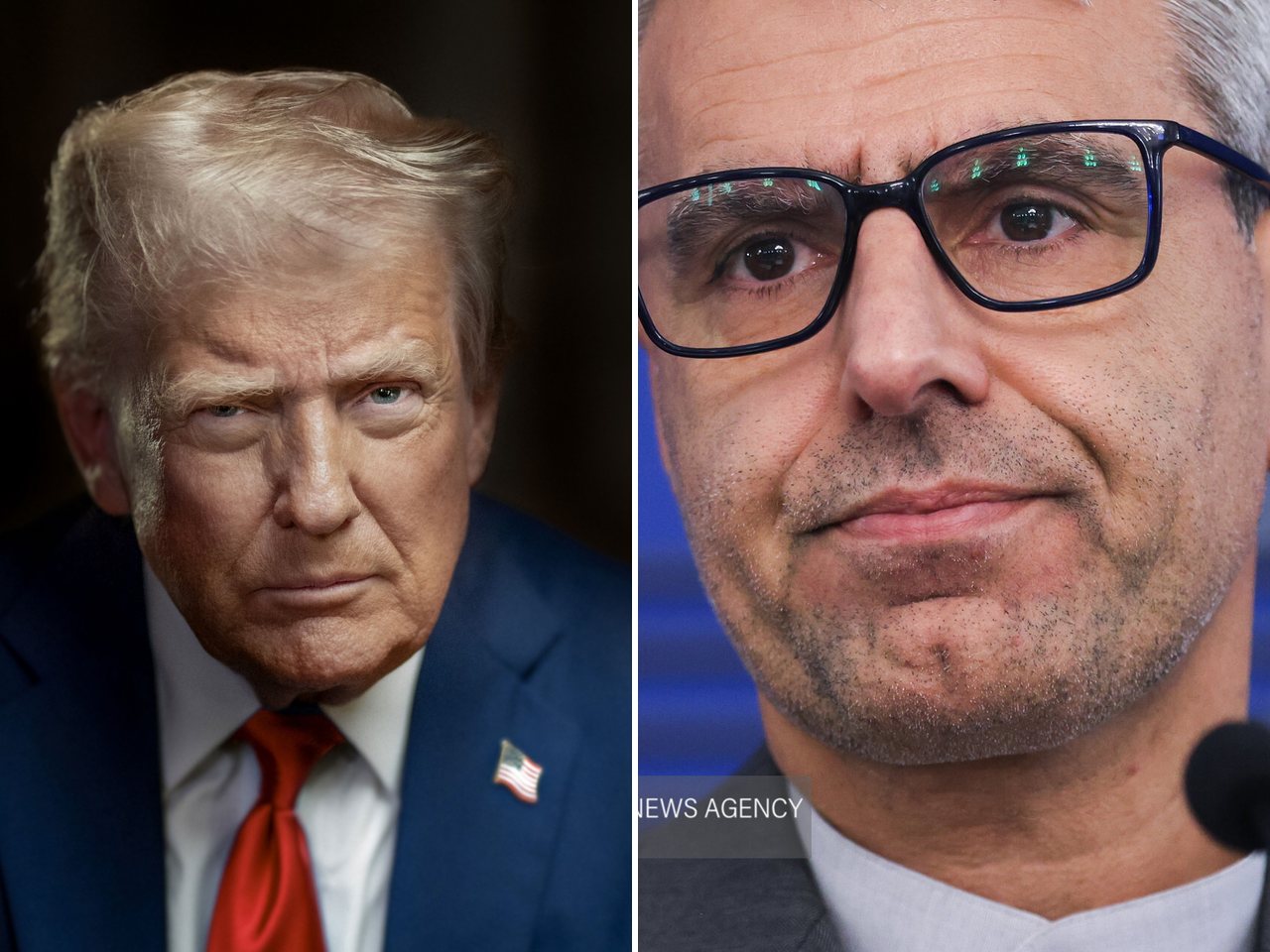
President Donald Trump said on Sunday that the United States would not strike Iran that day, a day after he had told reporters an attack could come “maybe tomorrow”.
Asked as he left the White House for a campaign rally in Michigan whether strikes could resume, he first played it down. “Would I tell you that?” he said. Then: “The answer is no, there will not be a strike today.”
As he spoke, Qatari mediators were in Tehran, part of a push to ease a crisis that has kept the Gulf on edge for weeks. An official briefed on the visit said it was being coordinated with Washington. Qatar’s Prime Minister, Sheikh Mohammed bin Abdulrahman bin Jassim Al Thani, also phoned Turkish Foreign Minister Hakan Fidan about regional security, and Fidan stressed the need for freedom of navigation and a lasting peace.
A choice Trump says is his
Earlier on Sunday, in an interview with Fox News, Mr Trump framed his options bluntly. “Do I make a deal with them, or do I finish them off?” he asked. He said finishing the job “would be very easy to do”, added that “we don’t play games”, and claimed the US now controls the Strait of Hormuz.
He has said he will not strike Iran before the 3 November midterm elections. US officials have warned that the weeks between that vote and the new Congress taking office could be the most dangerous, and Washington has kept building up its forces, including a third aircraft carrier group sent to the Gulf.
Tehran keeps a door open
Iran’s foreign ministry spokesman, Esmail Baghaei, said Tehran had not closed the window of diplomacy and that messages were still passing to the Americans through intermediaries, although negotiations have looked stalled for weeks. He accused Washington of pressing one-sided demands, and said that US officials keep using the phrase “complete surrender”, which no Iranian would accept.
Parliament Speaker Mohammad Bagher Ghalibaf, Iran’s chief negotiator, said the United States had entered a “quagmire” through its own miscalculations and had to find its own way out. He said Washington was wrong to think media pressure or military threats would make Iran submit.
Foreign Minister Abbas Araghchi struck a similar note. “Whether there is war or not, our policies remain the same,” he said.
Iran’s army also said on Sunday it had shot down a US-made LUCAS drone over Bandar Abbas, a claim carried by Iranian media that the US has not addressed.
Why Delhi is watching
Ghalibaf was due in New Delhi last week for the BRICS Parliamentary Forum but stayed away, citing “unforeseen circumstances”. The standoff has pushed up fuel costs worldwide: Brent crude rose above $117 a barrel on Friday, its highest since March, from under $97 at the start of October. For India, which relies heavily on Gulf oil, every swing between “strike” and “deal” shows up in the price of its crude imports.
The next signal may come from the mediators. Neither Doha nor Tehran had said what the Qatari team carried, or brought back, by early Monday.