OpinionOur view
A Parliament that sits but does not debate
The Monsoon Session met for 19 days and passed 11 Bills, most without a single speech. Both sides of the House helped bring this about, and both can fix it.
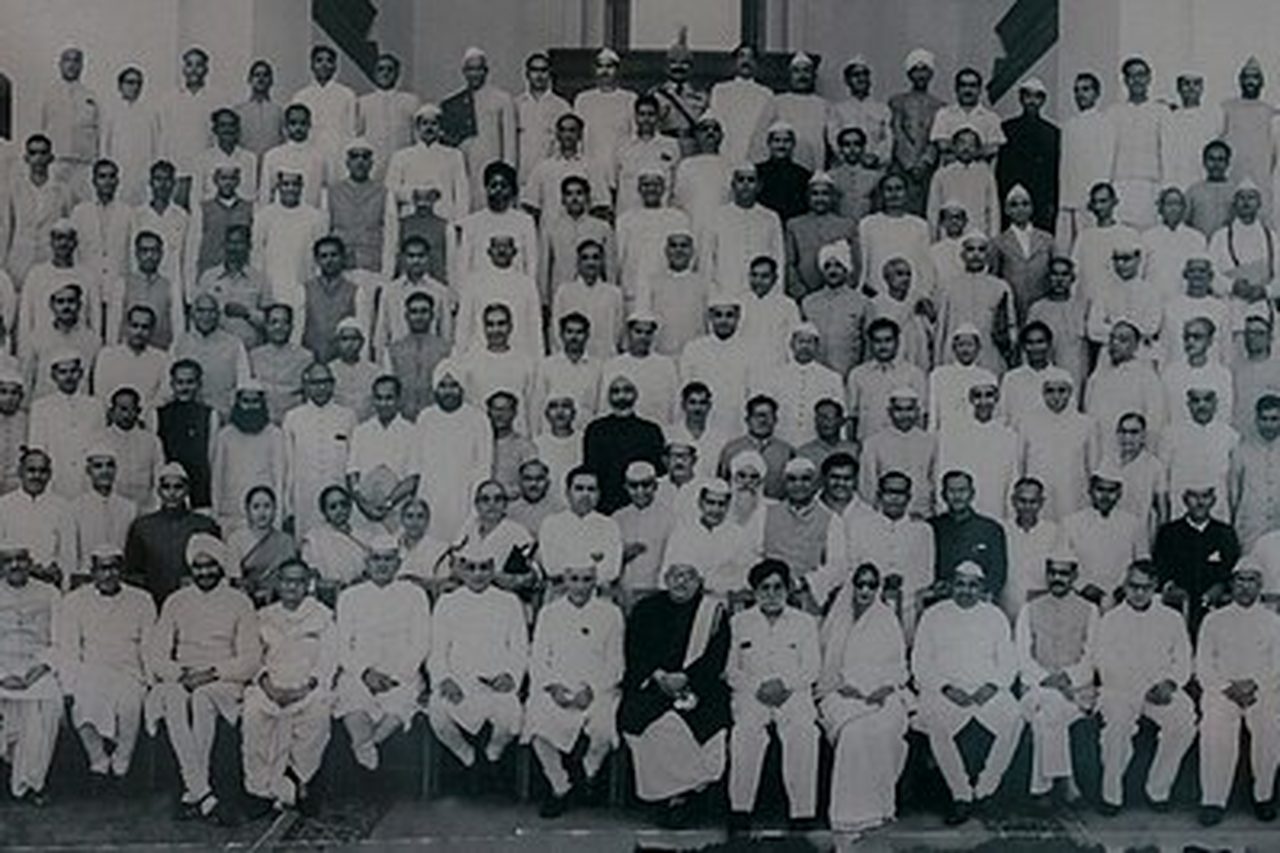
For 19 days this summer, both Houses of Parliament met. For most of that time, they did not work. The Lok Sabha functioned for 15% of its scheduled time in the Monsoon Session, PRS Legislative Research found. The government puts the figure at 19%. On either count, the House that holds the government to account spent the session mostly adjourned.
What it passed in that time is the bigger worry. Nine of the 11 Bills the Lok Sabha passed went through with no MP other than the minister speaking. A Bill to enlarge the Supreme Court took four minutes. Question Hour, the time set aside for ministers to answer MPs’ questions, lasted nine minutes across the entire session.
Parliamentary Affairs Minister Kiren Rijiju called it “a very successful session” for business, while admitting that on debate it was “not as successful”. He is right on the second point. A Bill that passes without discussion has been counted, not scrutinised.
Where the government falls short
The government sets the agenda, and it chose to pass Bills through a disrupted House rather than wait for order or settle terms for a debate. Some of these Bills had to pass: two replaced ordinances. That explains urgency. It does not explain why nine Bills needed no Lok Sabha debate at all, when the Rajya Sabha found time to discuss each of them.
The habit predates this session. The 18th Lok Sabha has sent 21% of its Bills to parliamentary committees, PRS says, against 16% in the 17th. Committees are where MPs of all parties examine a Bill in detail, in closed-door meetings. The Lok Sabha has also had no Deputy Speaker for more than seven years, since the 17th Lok Sabha first met in June 2019, PRS notes, with a Supreme Court case on the delay still pending.
Where the Opposition falls short
The Opposition’s grievance was real. Its MPs wanted a discussion on the NEET-UG paper leak and a statement from the Home Minister. A national exam paper leak deserved the House’s time.
But disruption cost the Opposition its own best tools. In the Rajya Sabha, 16 of 285 starred questions were taken up, PTI reported. Each lost question was a lost chance to put a minister on record, on NEET or anything else. And when the House did debate the exam-cheating Bill, 48 Lok Sabha MPs spoke over nearly 11 hours. Debate was possible when both sides wanted it.
What should change before the Winter Session
First, every Bill other than a Money Bill should go to a committee by default. PRS made the case for referring all Bills in a 2019 discussion paper, citing the UK, where Bills other than Money Bills go to committees automatically. The minister could ask the House to skip this for a genuine emergency, on the record.
Second, the House should protect debate time. No Bill should pass the Lok Sabha without a minimum discussion, and a fixed slot each week should go to subjects the Opposition chooses. In return, Opposition parties should commit to letting Question Hour run.
Third, the Lok Sabha should elect a Deputy Speaker in the Winter Session. The post has been empty for more than seven years, and filling it costs the government nothing but a vote.
Parliament’s job is to argue in public before it decides. A session that decides without arguing has done half the job, and both benches let the other half go.
The reporting behind this view
- 15%share of scheduled time the Lok Sabha functioned in the Monsoon Session 2026 (government figure: 19%)
- 9 of 11Bills passed by the Lok Sabha with no MP other than the minister speaking
- 21%share of Bills referred to committees in the 18th Lok Sabha so far, against 16% in the 17th
The documents
- Functioning of Parliament during Monsoon Session 2026PRS Legislative Research, 11 October 2026
- Parliament functioning in Budget Session 2026PRS Legislative Research
- Parliamentary Committees: Increasing their effectiveness (discussion paper)PRS Legislative Research, 1 December 2019